Mark Edward Nicolas and the Long Way Back
By Demetra Paizanis,
Enrollment Communications Coordinator –



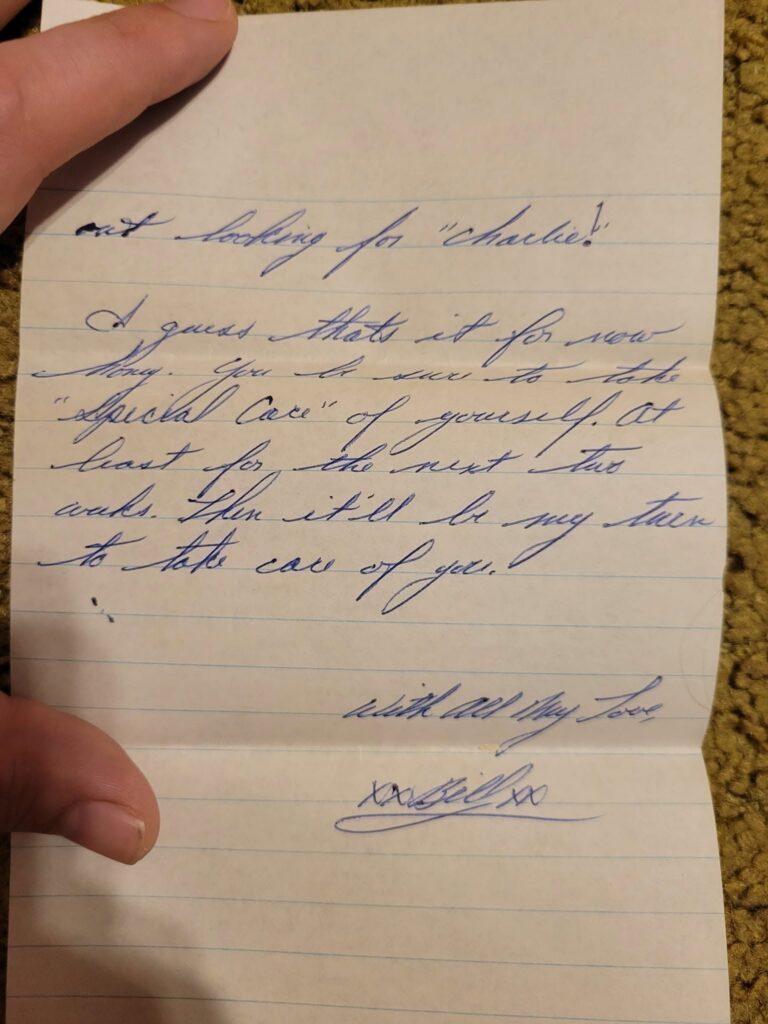
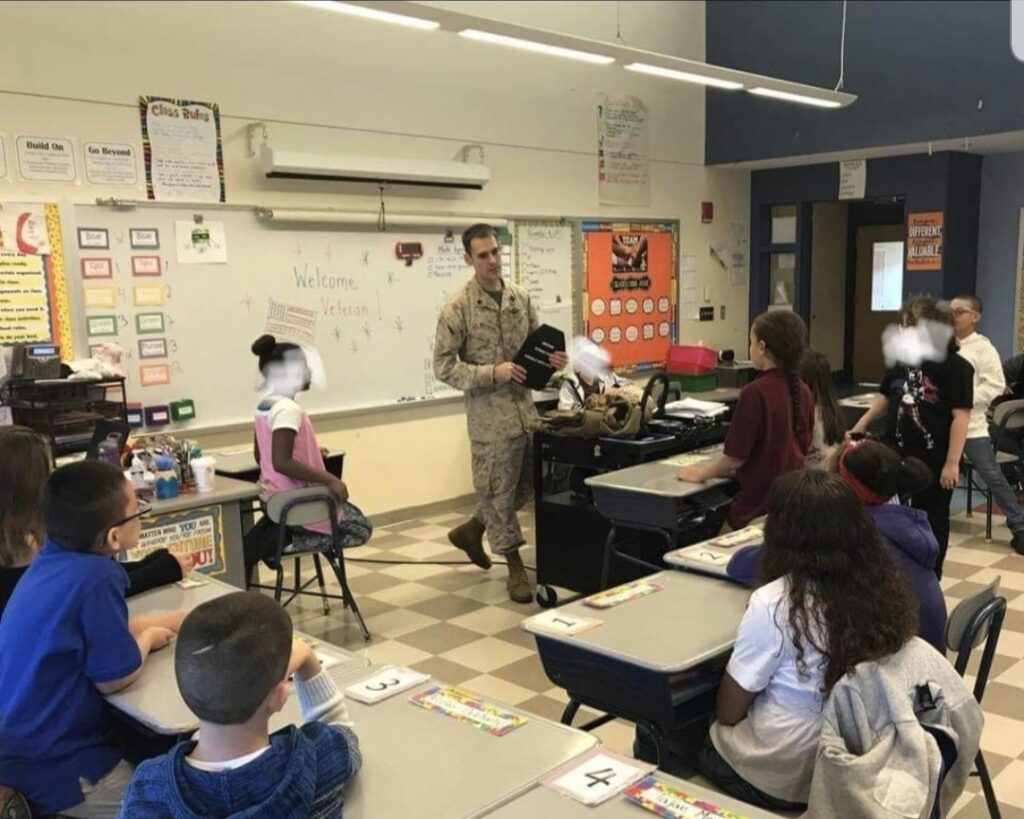
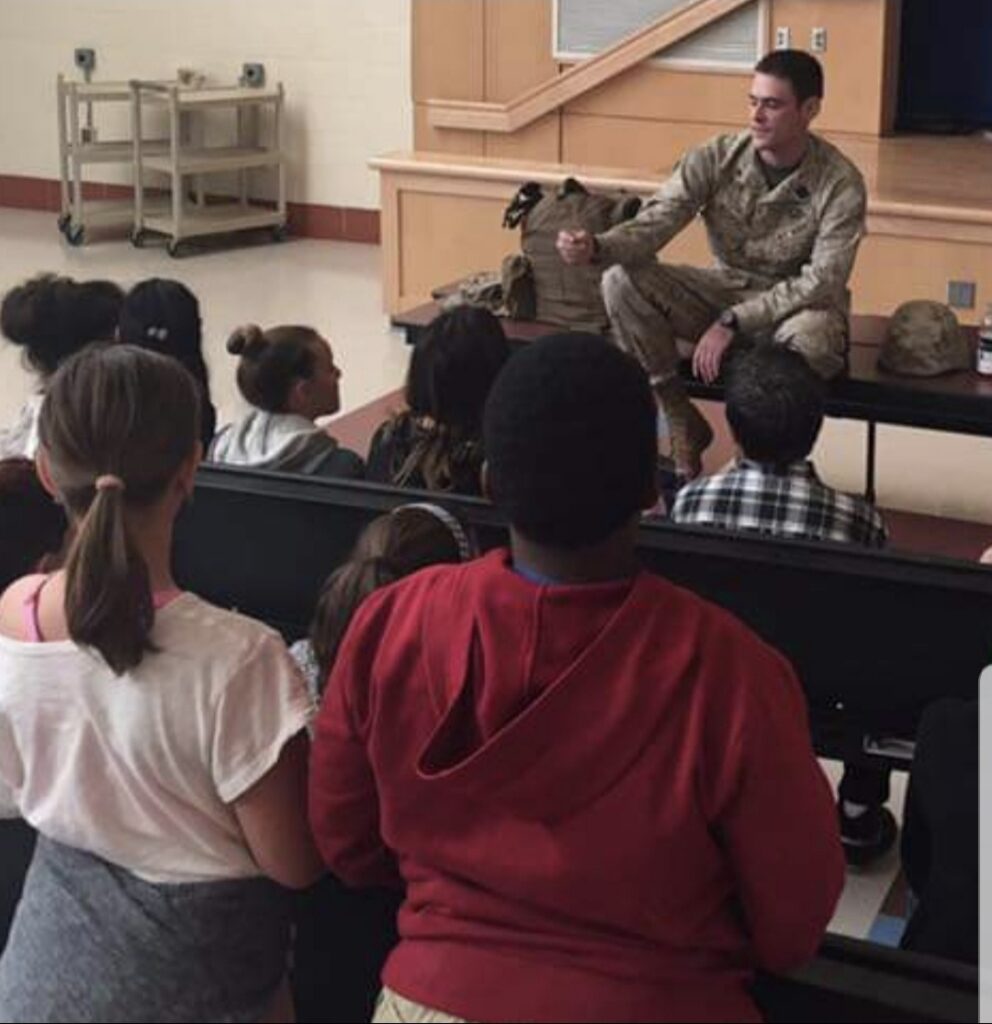

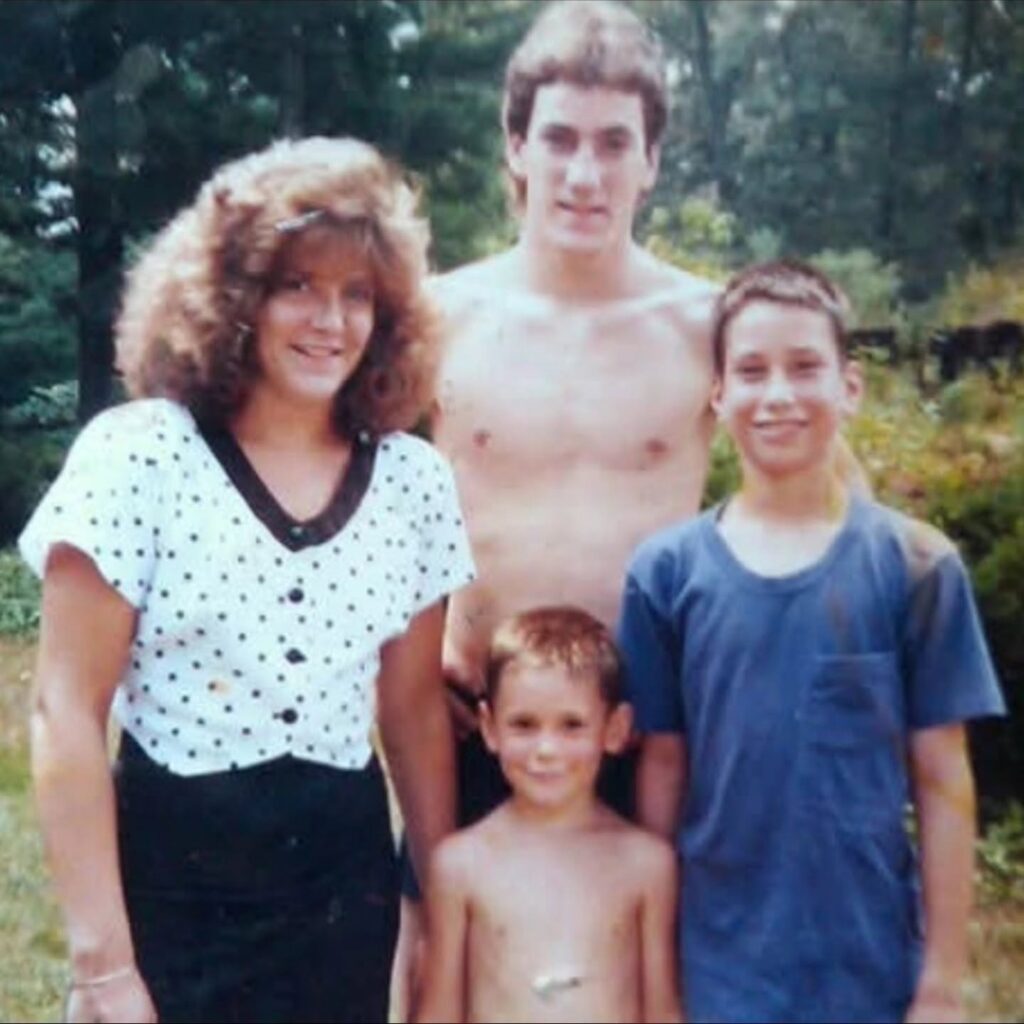











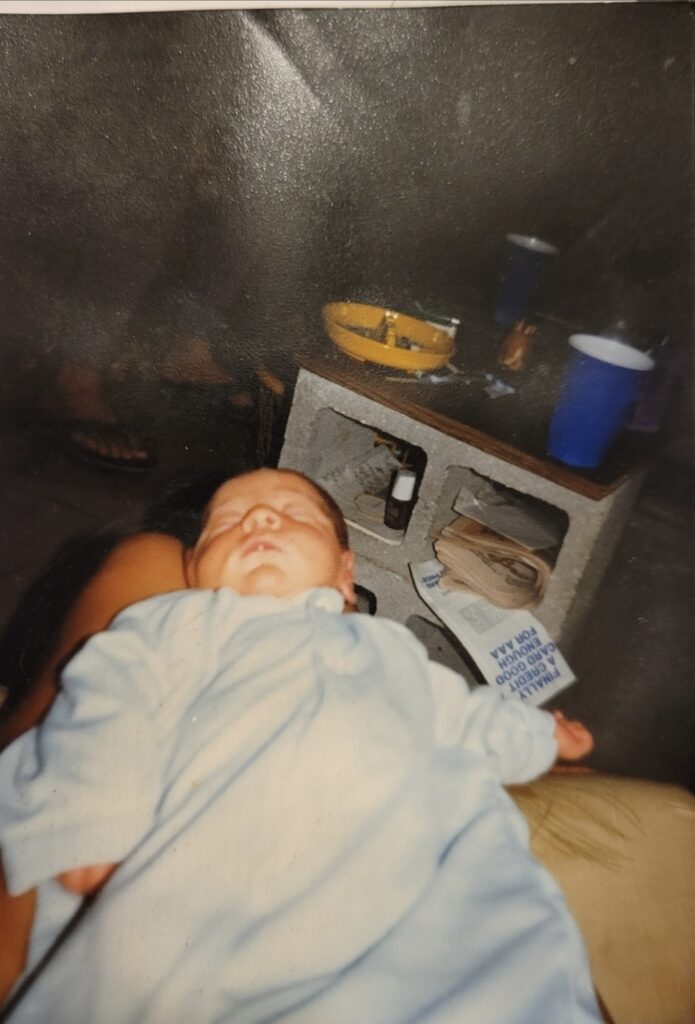

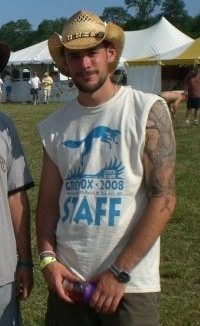
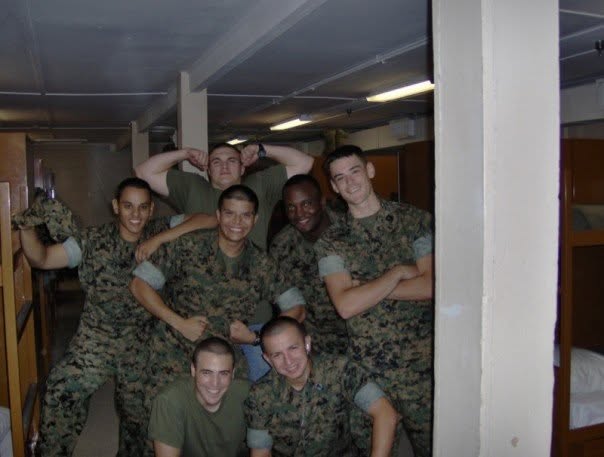
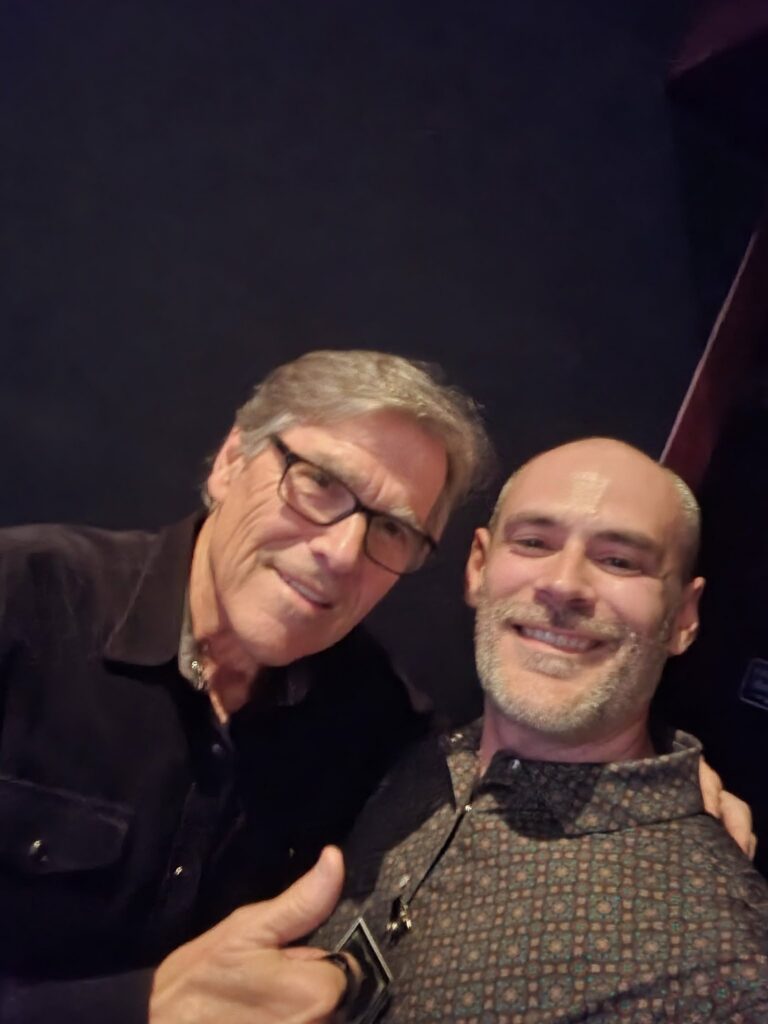
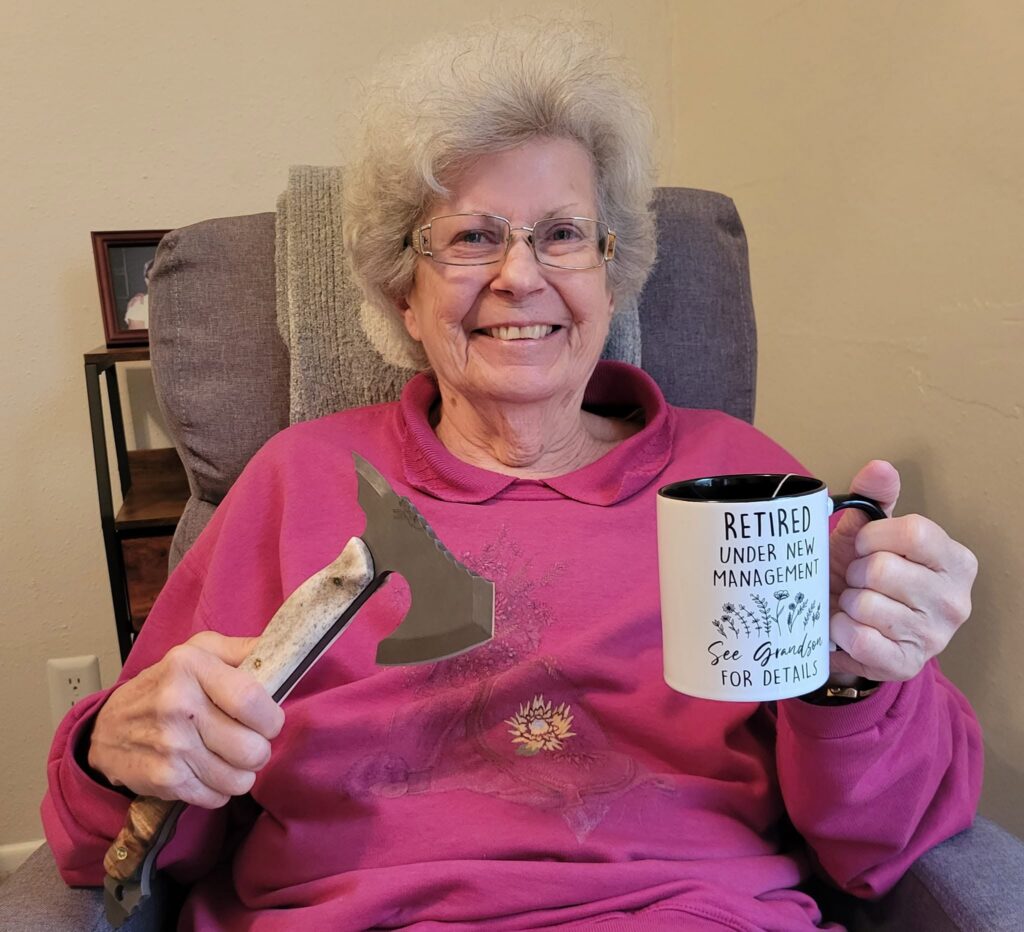







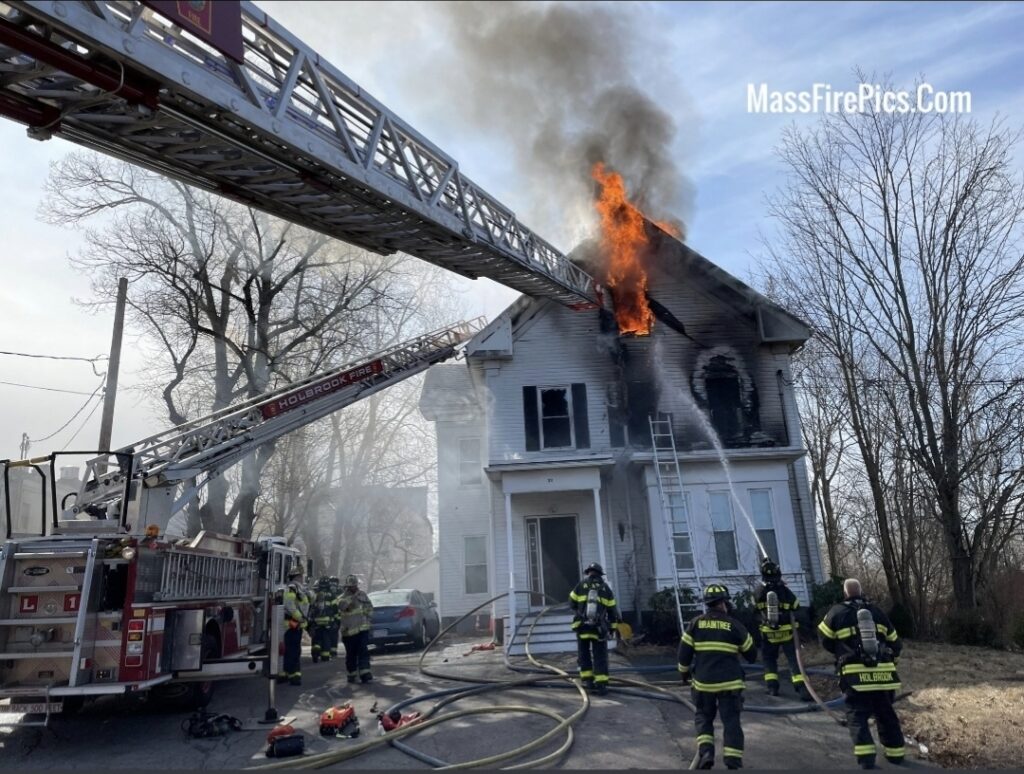





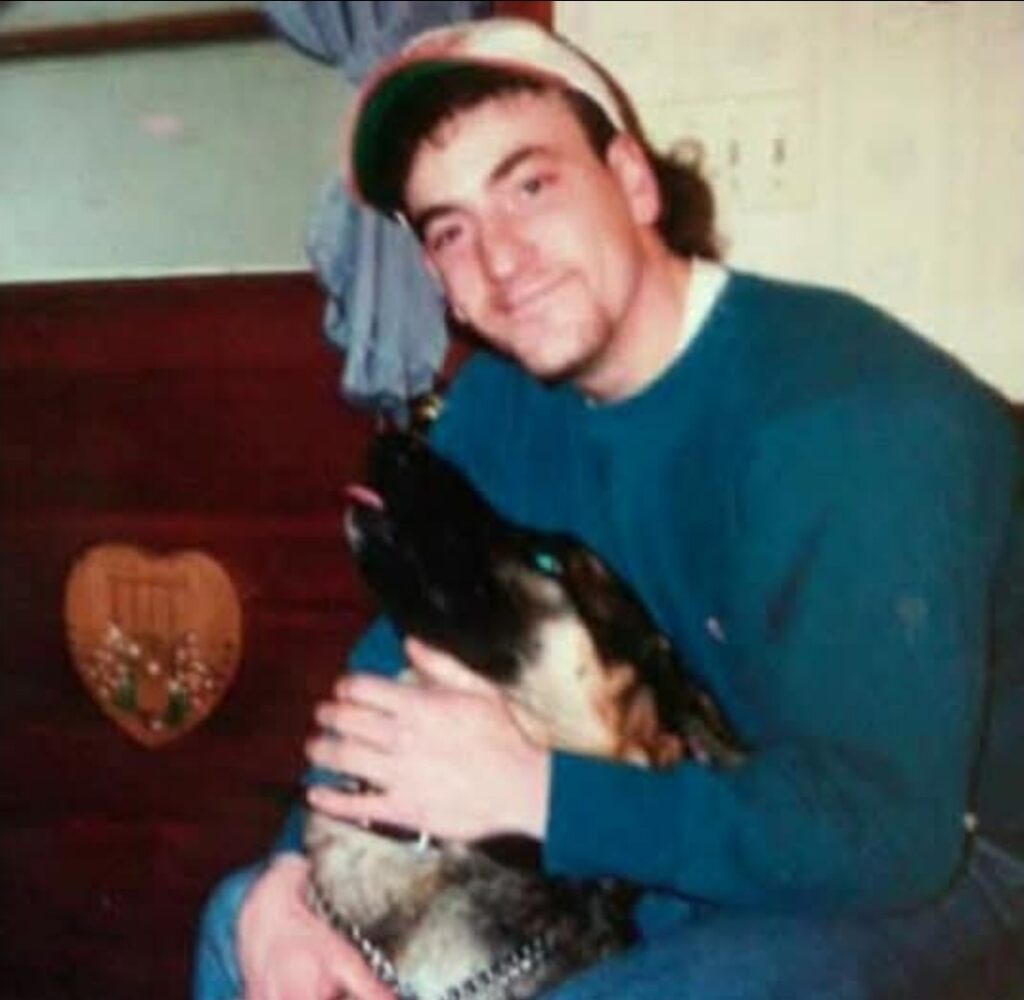







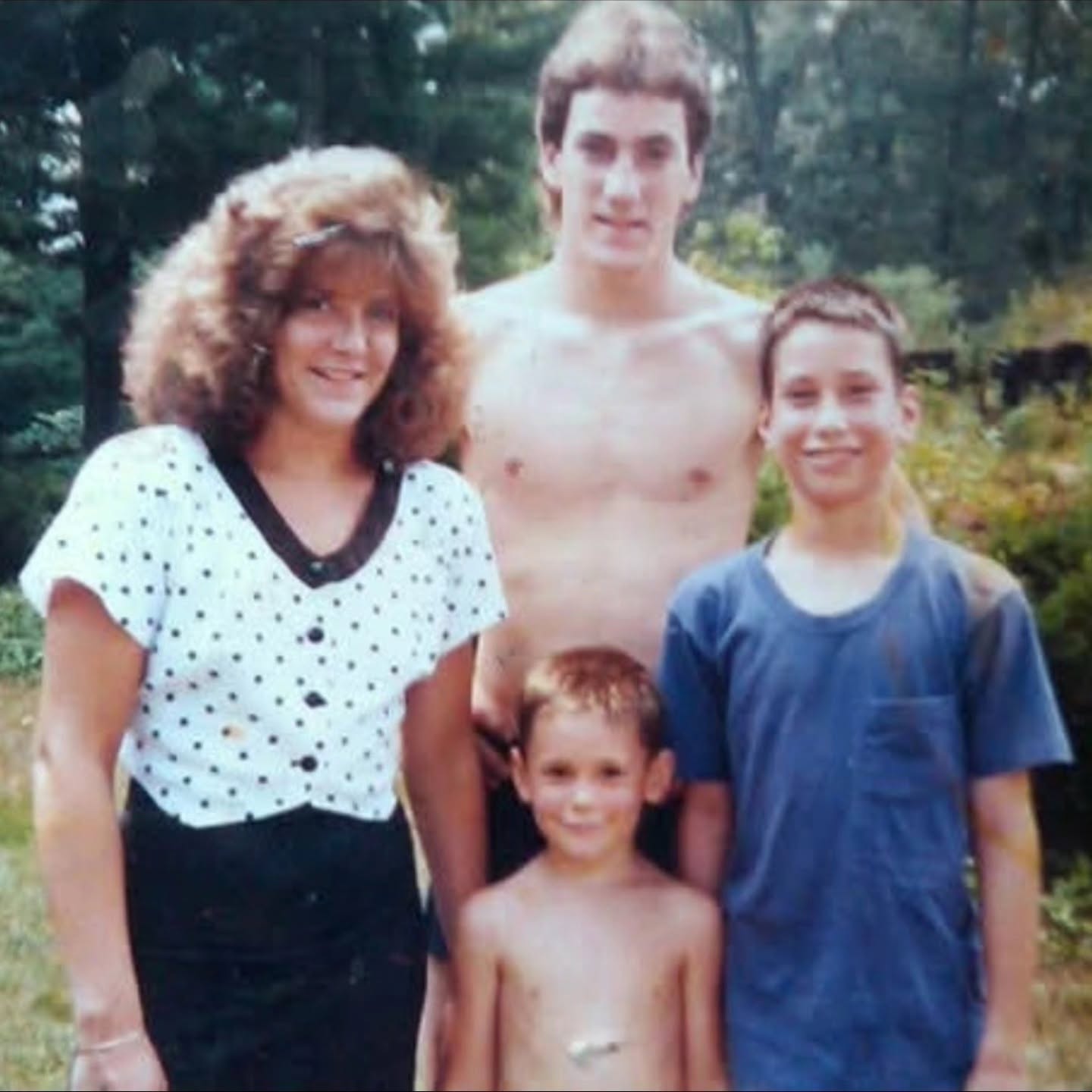
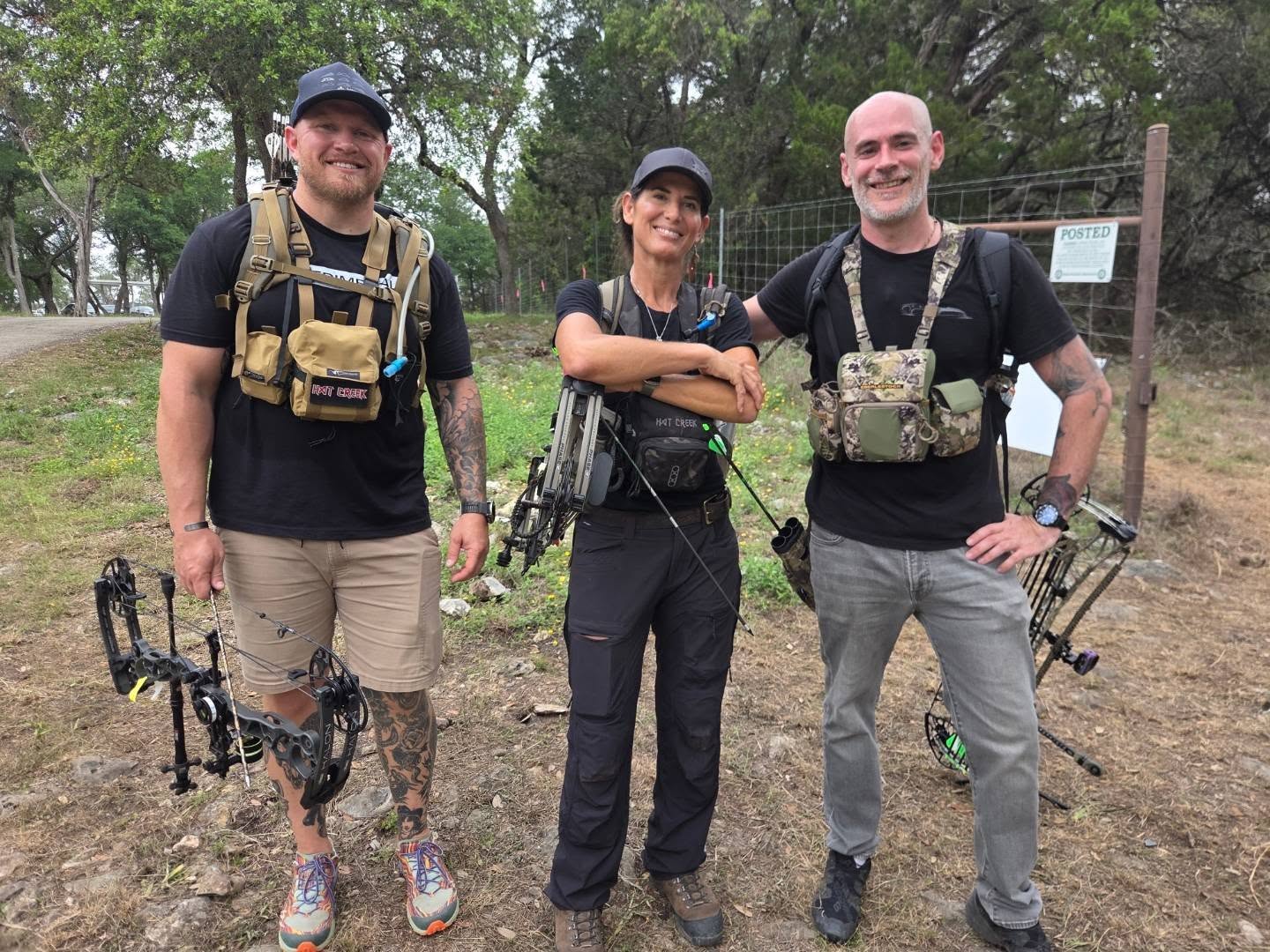
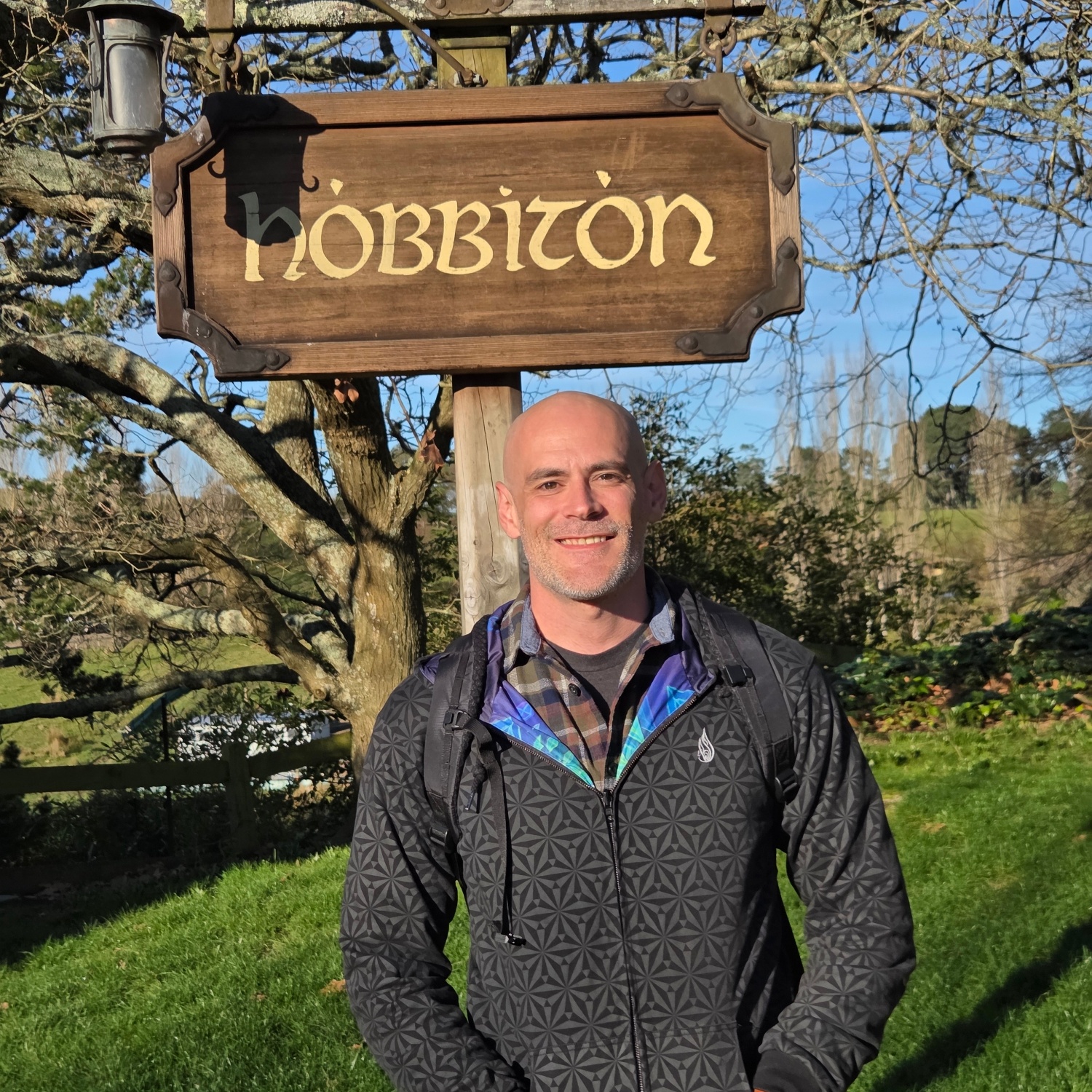








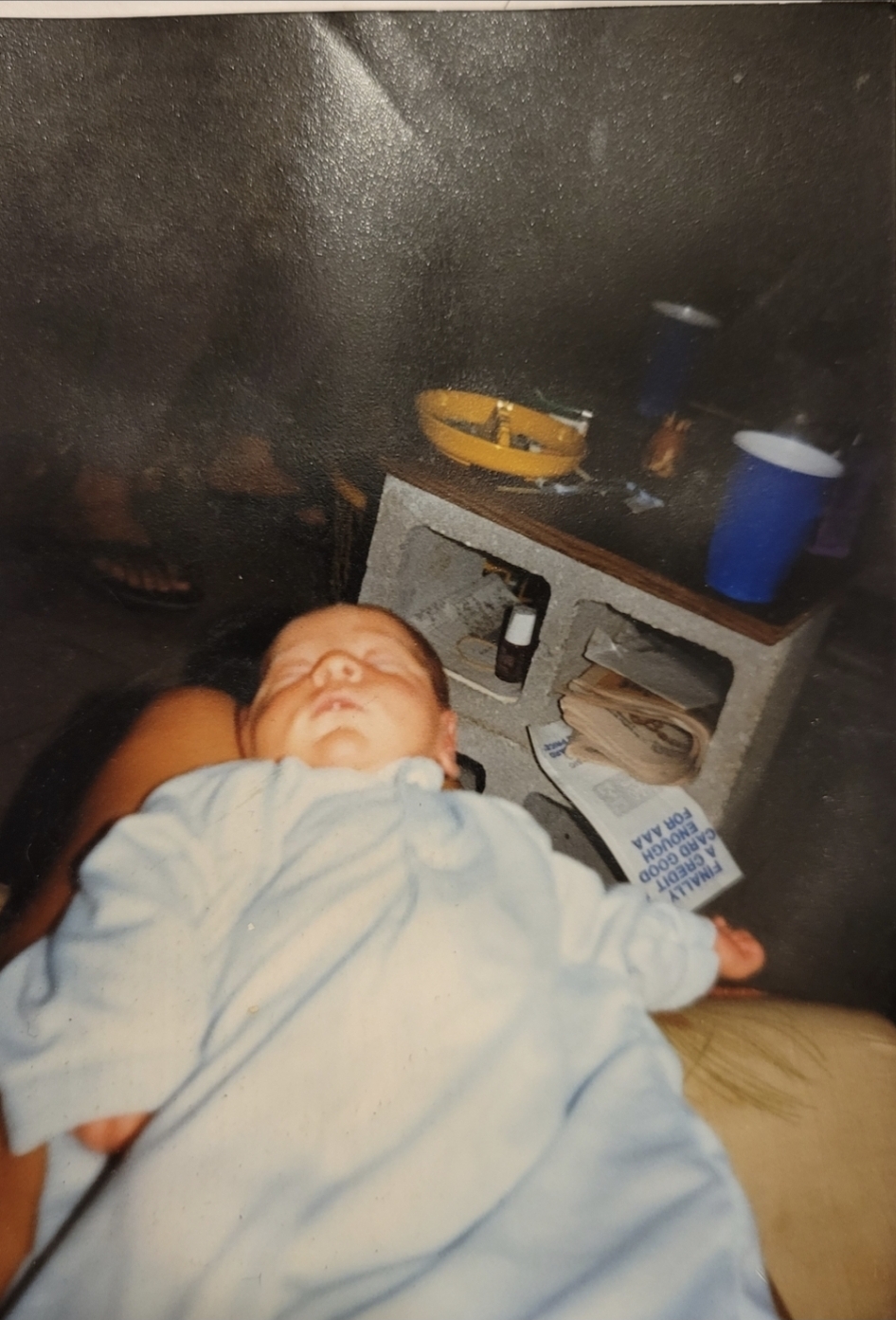







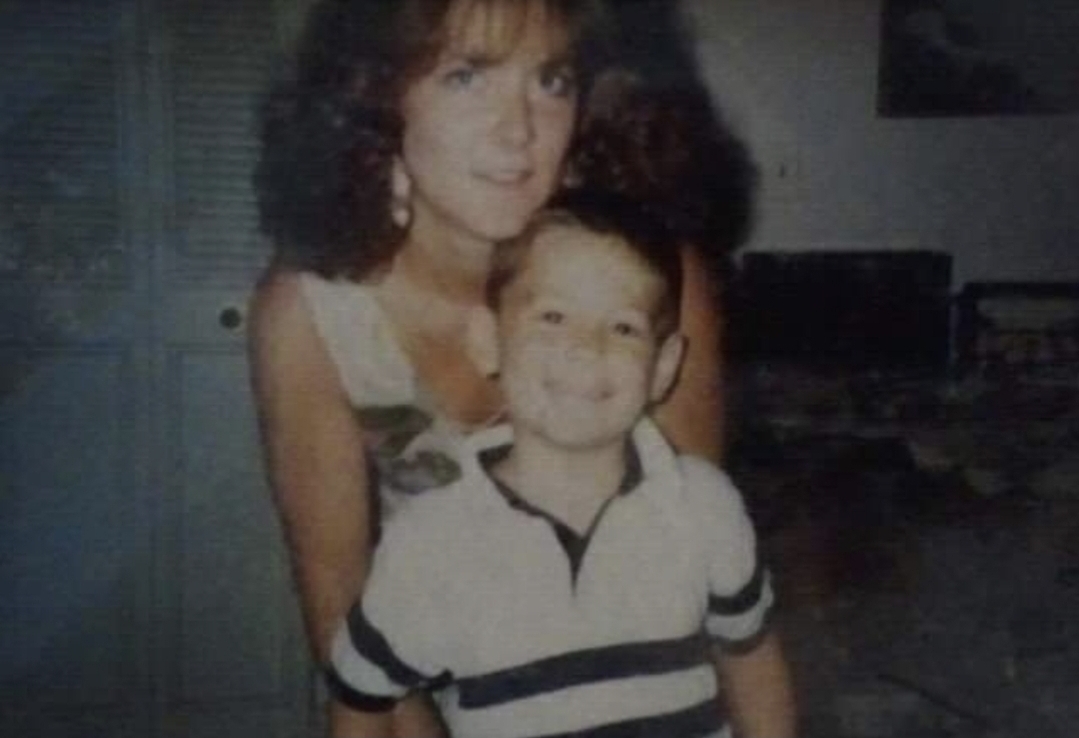




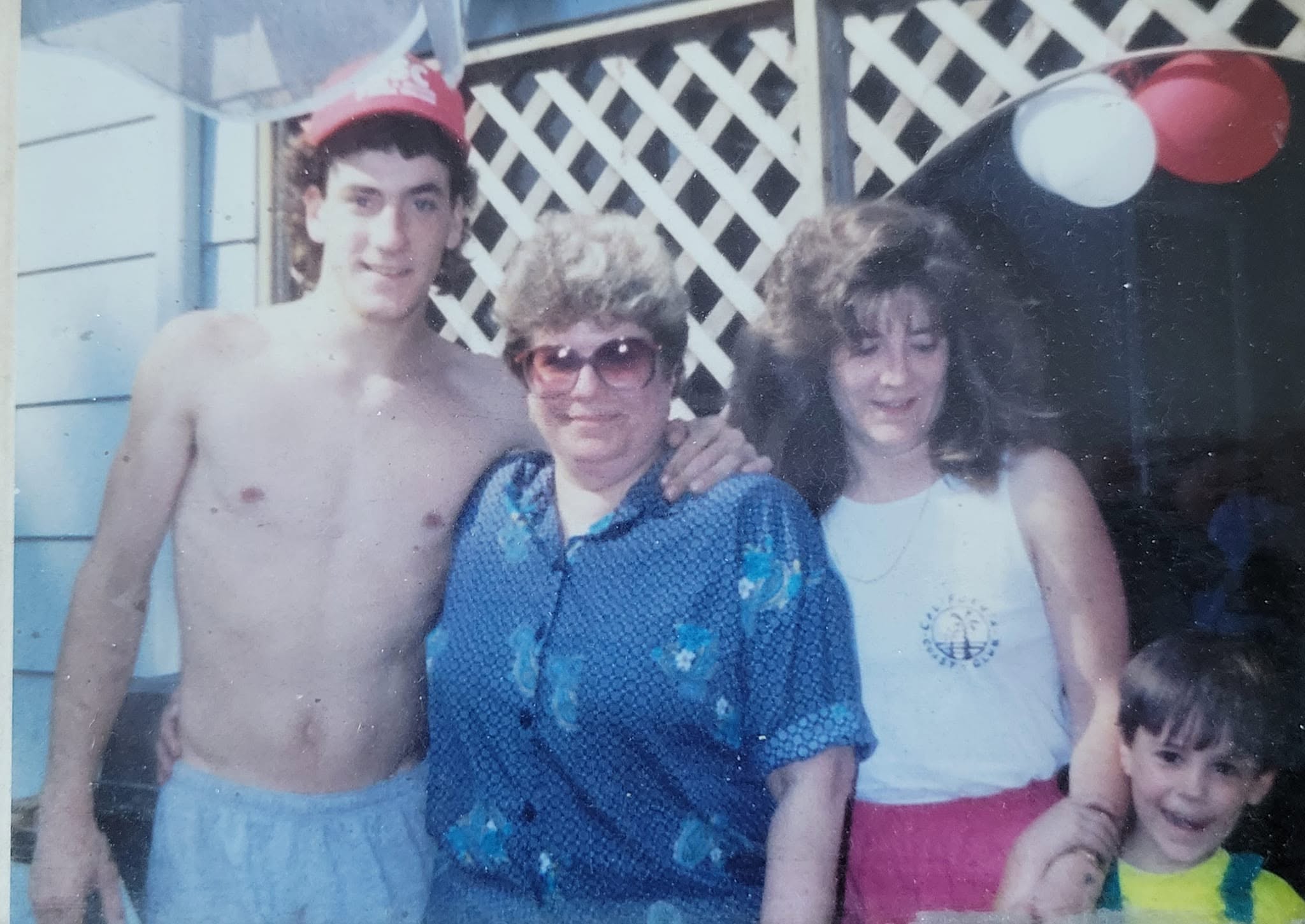





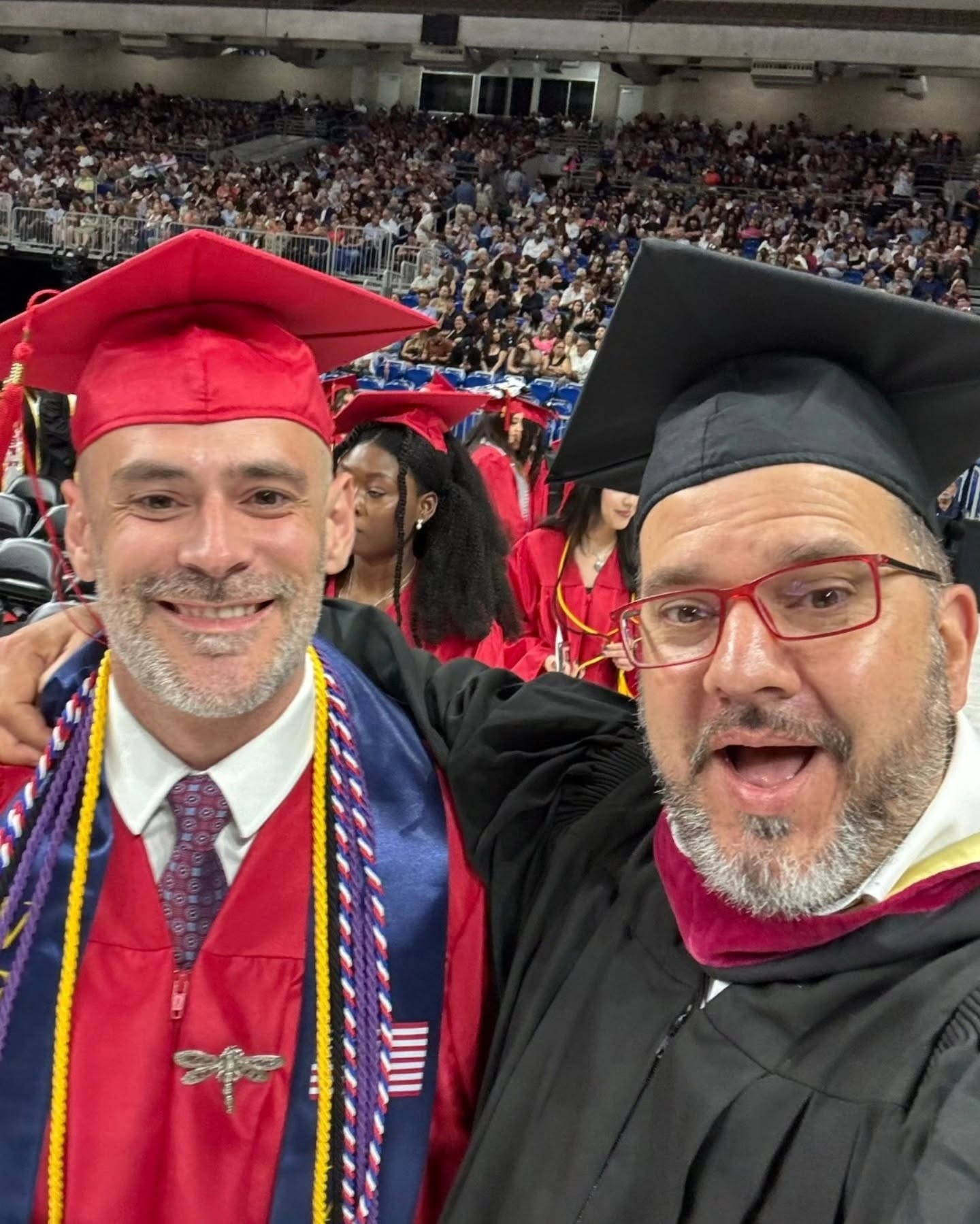



The children were playing in the dirt parking lot when police cars began turning into the driveway and lining the street. The lot beside the apartment building was essentially their backyard, and Mark Edward Nicolas stood among the other children as officers forced the main door and moved toward the side of the building. His mother tried the basement window, made it halfway through the small opening and became trapped, yelling as officers reached her and pulled her back inside while Nicolas watched from the parking lot.
The charge that day involved laundry detergent, which his mother had been using to deceive people. Even the officers, the forced doors and his mother lodged between escape and capture felt all too ordinary.
The woman caught in the window was also an electrical engineer with a bachelor’s degree from Northeastern University. She worked for Intel and Texas Instruments and contributed to thermal-protection material designed to keep a space shuttle from burning during reentry. During periods of sobriety, Nicolas flew across the country to visit her in Santa Cruz, and the two went to Disney. When money was scarce and one toy seemed to be in every child’s hands, she could usually find a way to get it for him.
Her engineering work existed beside drug distribution, gang associations and repeated incarceration, a second life that brought fire bombings, stabbings, shootings and drugs into Nicolas’s childhood.
“Some really good things happened between some extraordinarily bad things,” Nicolas said.
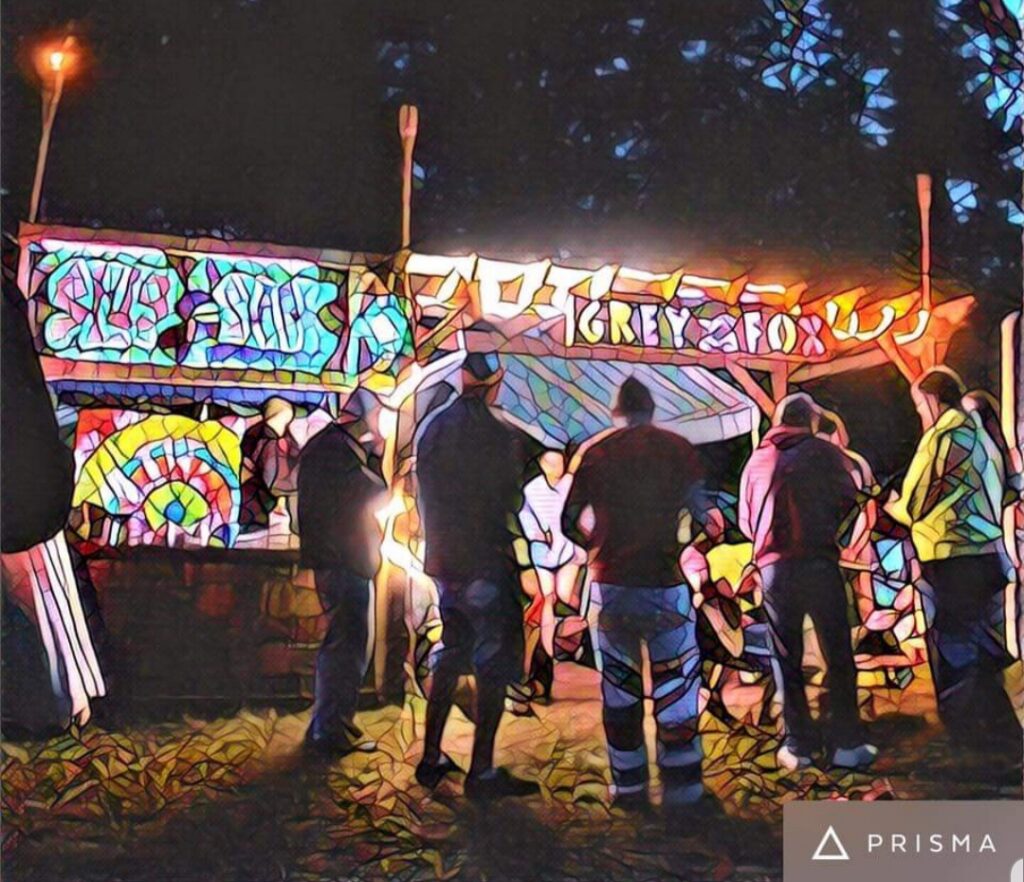
His mother had met Nicolas’s father while he was working at a carnival in Florida. He was affiliated with the Outlaws Motorcycle Club, but after she left Florida, Nicolas lost contact with him after meeting him only once. When his mother was incarcerated, he stayed with other relatives before eventually being returned to her. At other points, they lived in women’s shelters. Welfare sometimes paid for food, and they rarely remained at one address for long. Some of those stretches with relatives took him to his grandfather’s cabins in Maine.
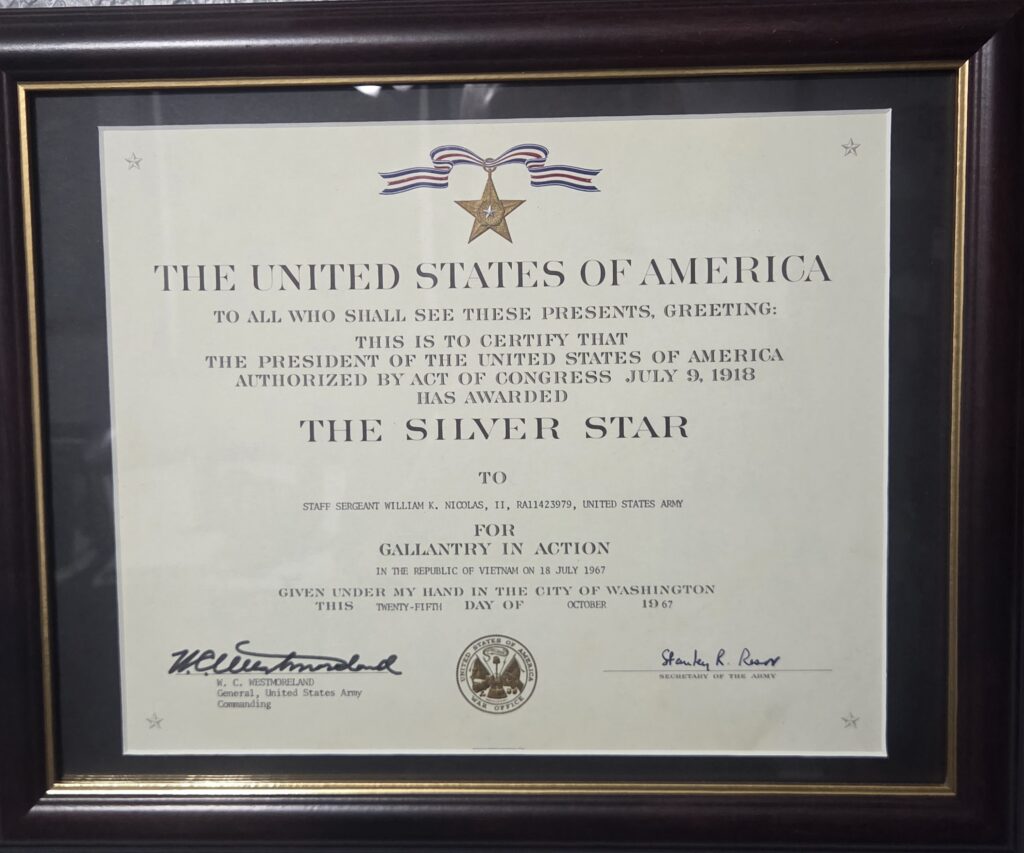
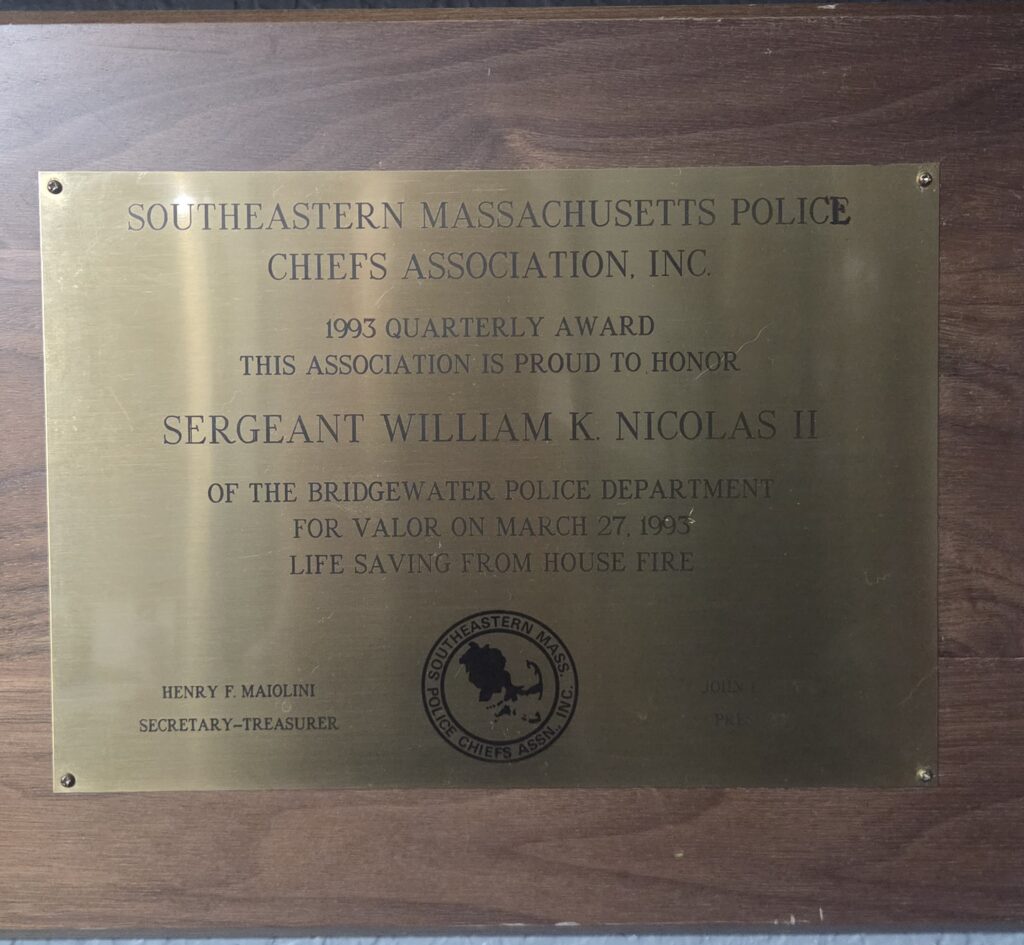
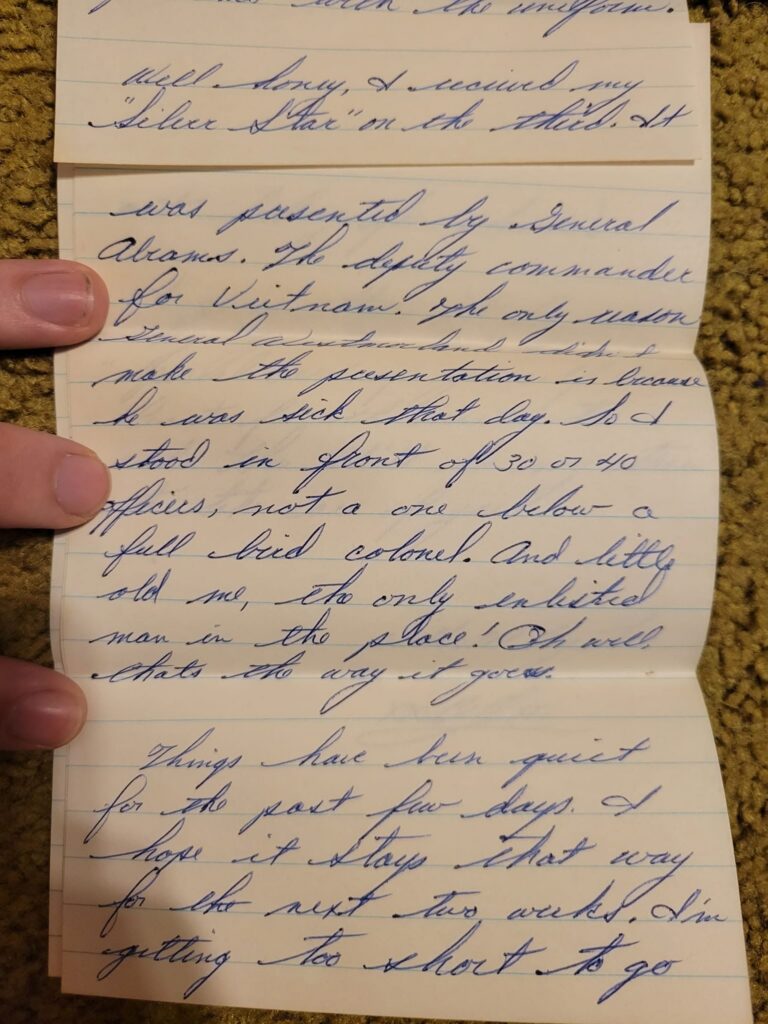
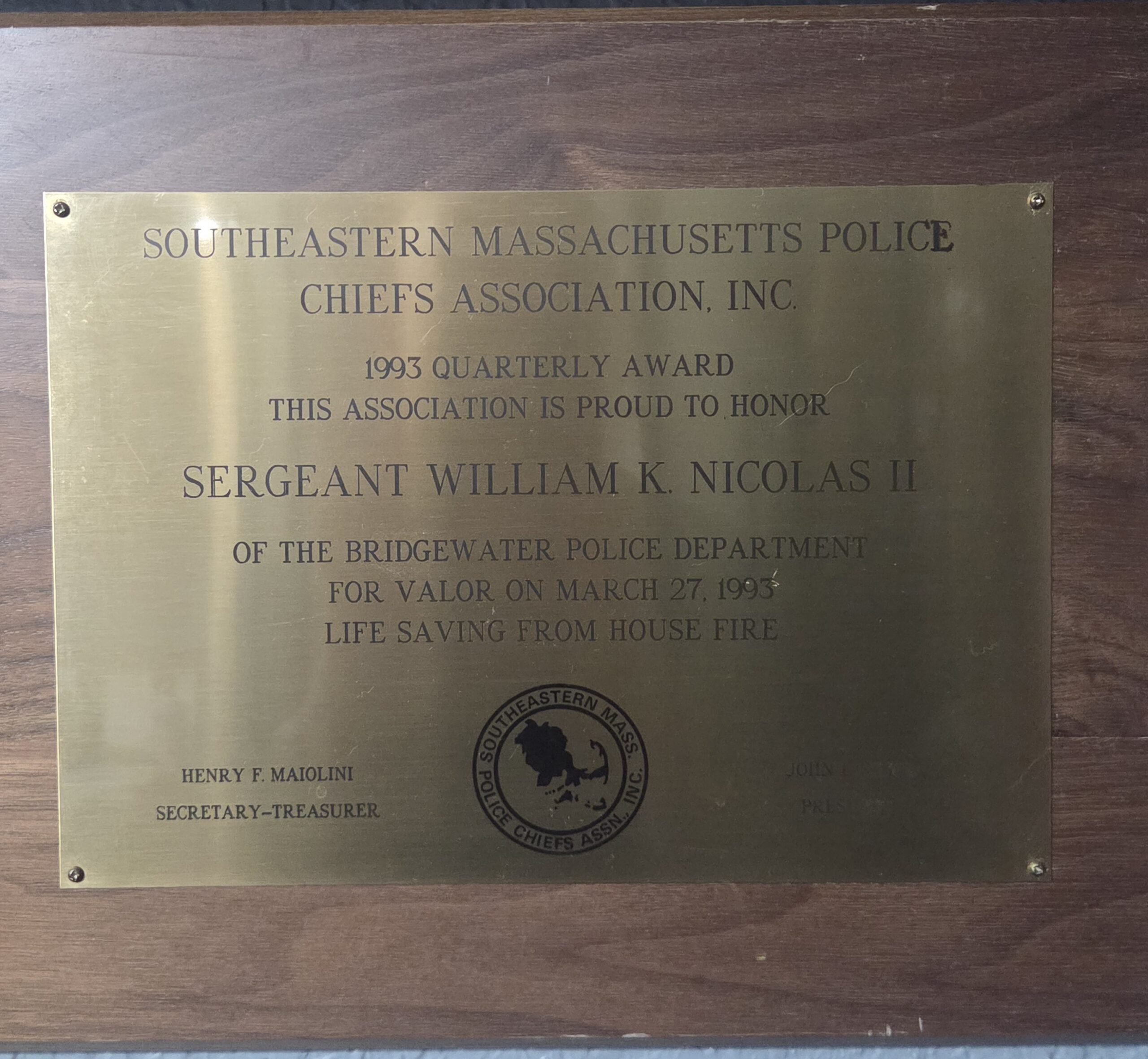
There, he learned to build fires, fish, camp, handle tools and maintain equipment. His grandfather had earned a Silver Star in Vietnam before spending nearly 30 years with the Bridgewater Police Department, where his work included pulling people from fires. Nicolas respected him and wanted more of his presence than he received. Most of the older man’s attention went to his second family, so their time together came through trips and work at the cabins rather than the regularity Nicolas wanted. His uncle, the male role model he saw most consistently, died by suicide in 1998, when Nicolas was 12, sending an already unstable family member into a deeper spiral.
Outside the family, Nicolas joined the Naval Sea Cadet Corps, a youth program with ranks and boot camp, and the Junior Olympic Archery Development program, where every shot produced a score. By his junior year, a group of friends had begun drawing him out of isolation. He became treasurer of DECA, a student business organization, and helped get the school store operating. Every year of high school still ended at a different household. Transportation, sleep and emotional stability changed with each address, and his attendance and homework suffered even when the material itself did not
Nicolas rebuilt starters and alternators before taking a full-time job at McDonald’s while still attending school. Classes ended around 2 p.m., and his shift began at 3. He often worked until 10, spent part of the remaining night with friends, slept for a few hours and started again the next morning. Tests came more easily than attendance and homework. Although he understood the material, helped run the school store and worked full shifts, he missed enough school to endanger his enrollment.
Archery kept a different record. At his first major competition, Nicolas performed better than anyone expected and reached the final arrow with spectators gathered around him. An eight would win the competition and, as Nicolas understood it, qualify him for the Olympics. He considered it an easy shot until he drew the bow and felt the crowd waiting.
“I had never had a group of people watching me with bated breath like that before,” Nicolas said.
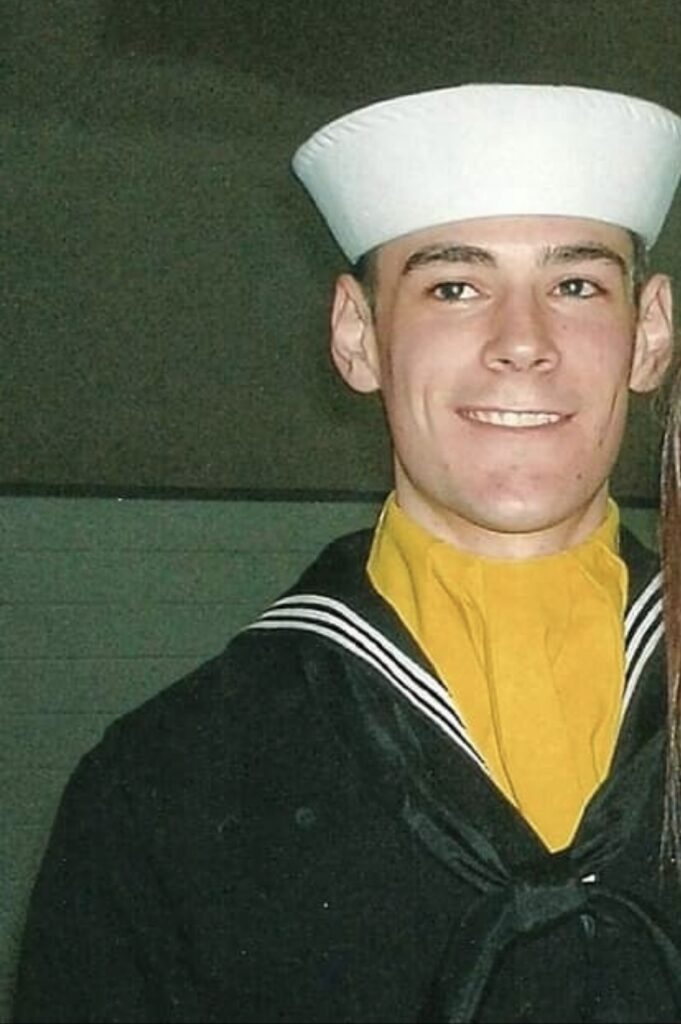
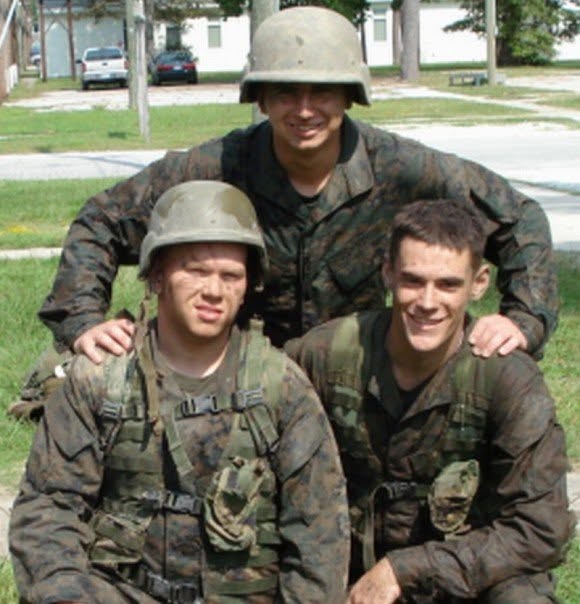
He released early. The arrow missed the target entirely and dropped him to fourth place. At school, his attendance and English grade eventually led to his removal, and he left without graduating. When he said he planned to join the military, people laughed at the wiry, unassuming teenager. Their reaction changed nothing. The Sea Cadets and his grandfather had already made military service imaginable, and Nicolas enlisted in the Navy.
Safety Net
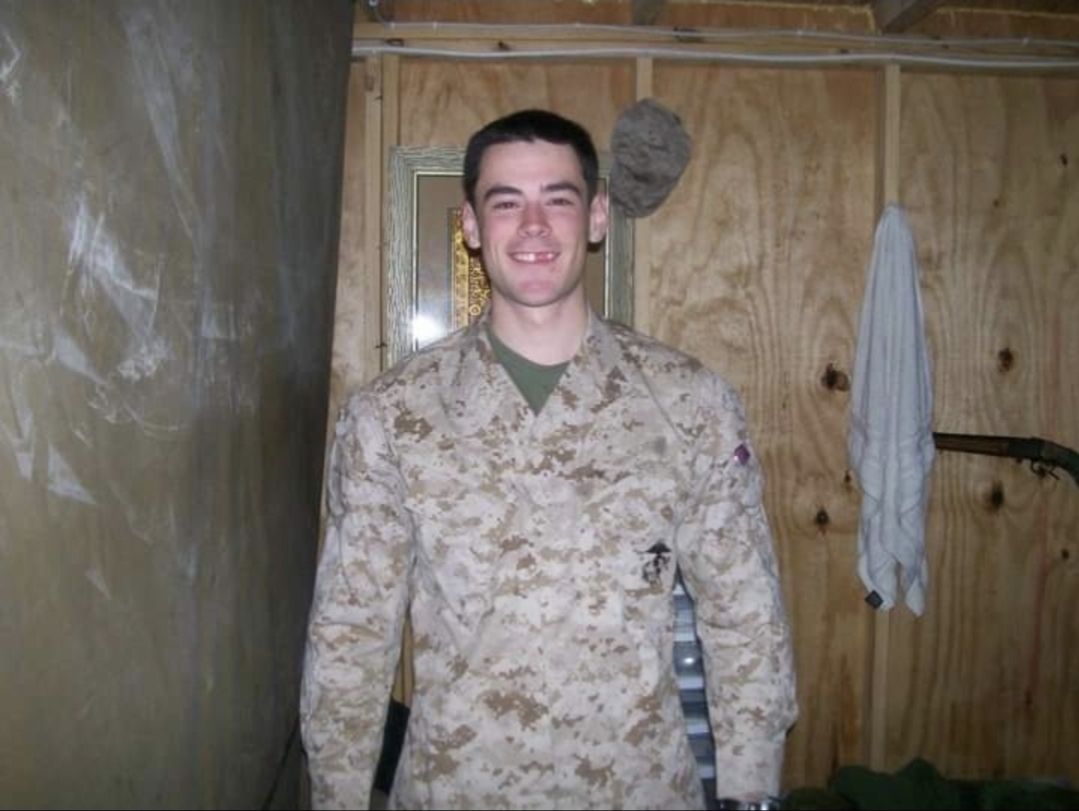
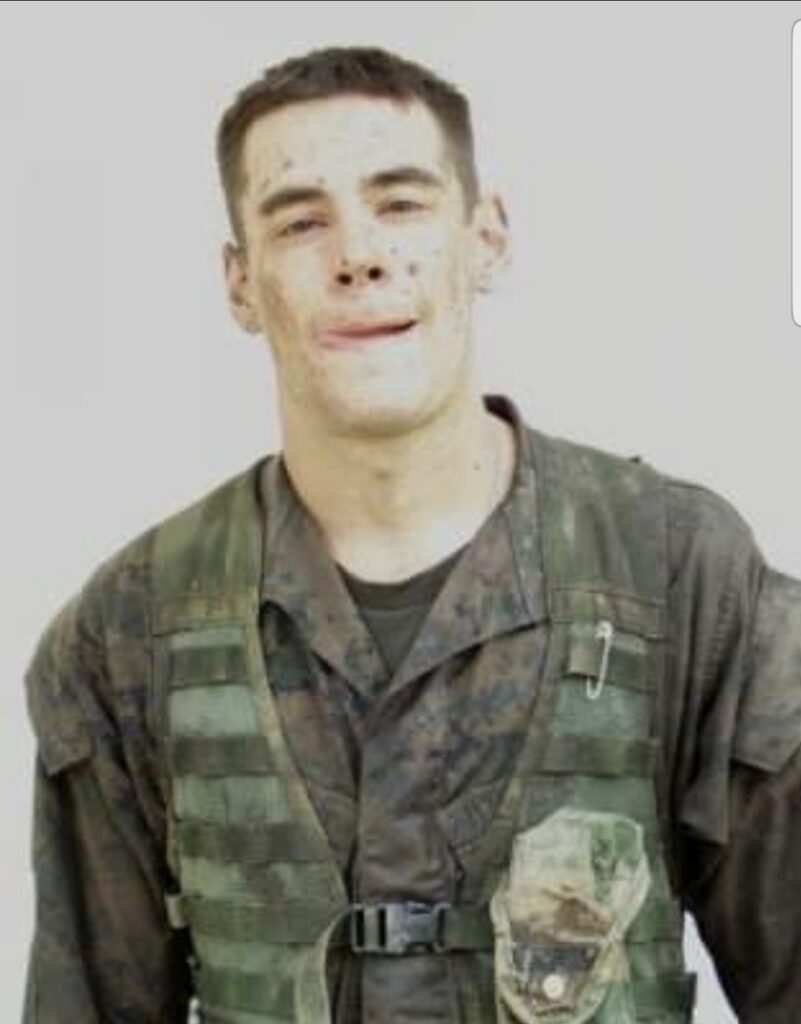
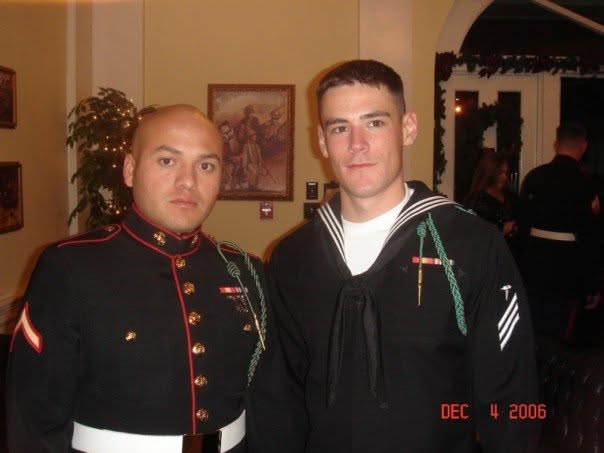
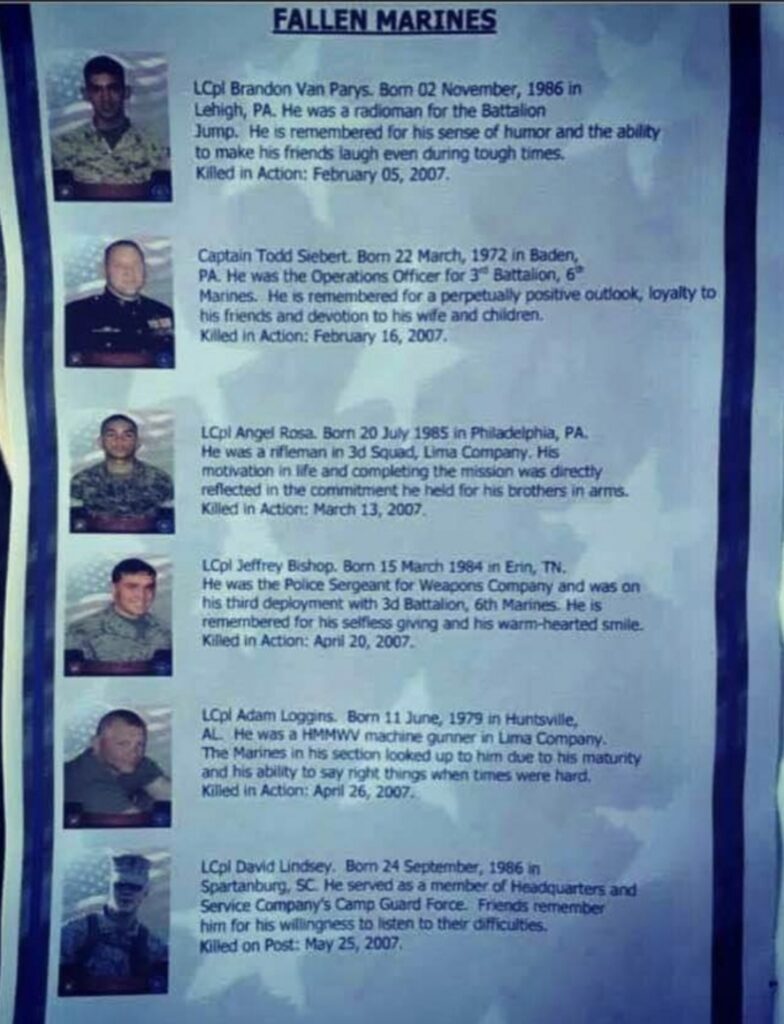
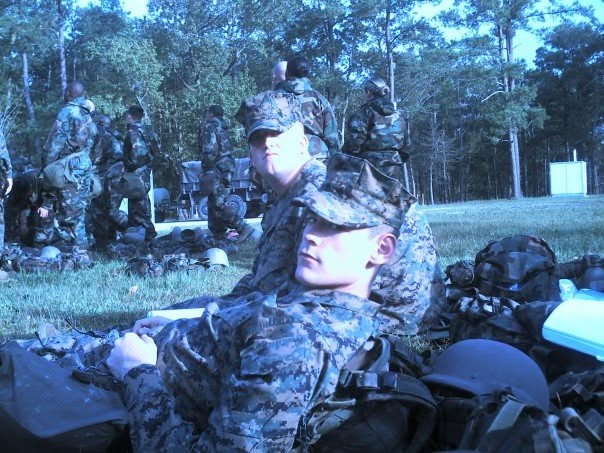
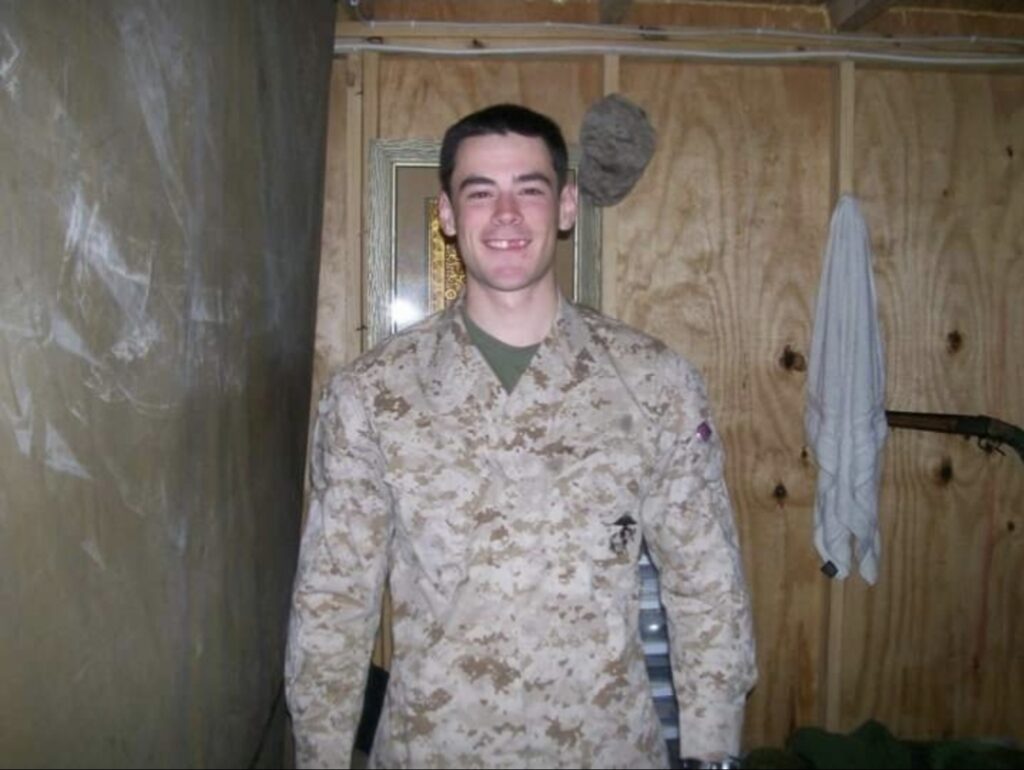
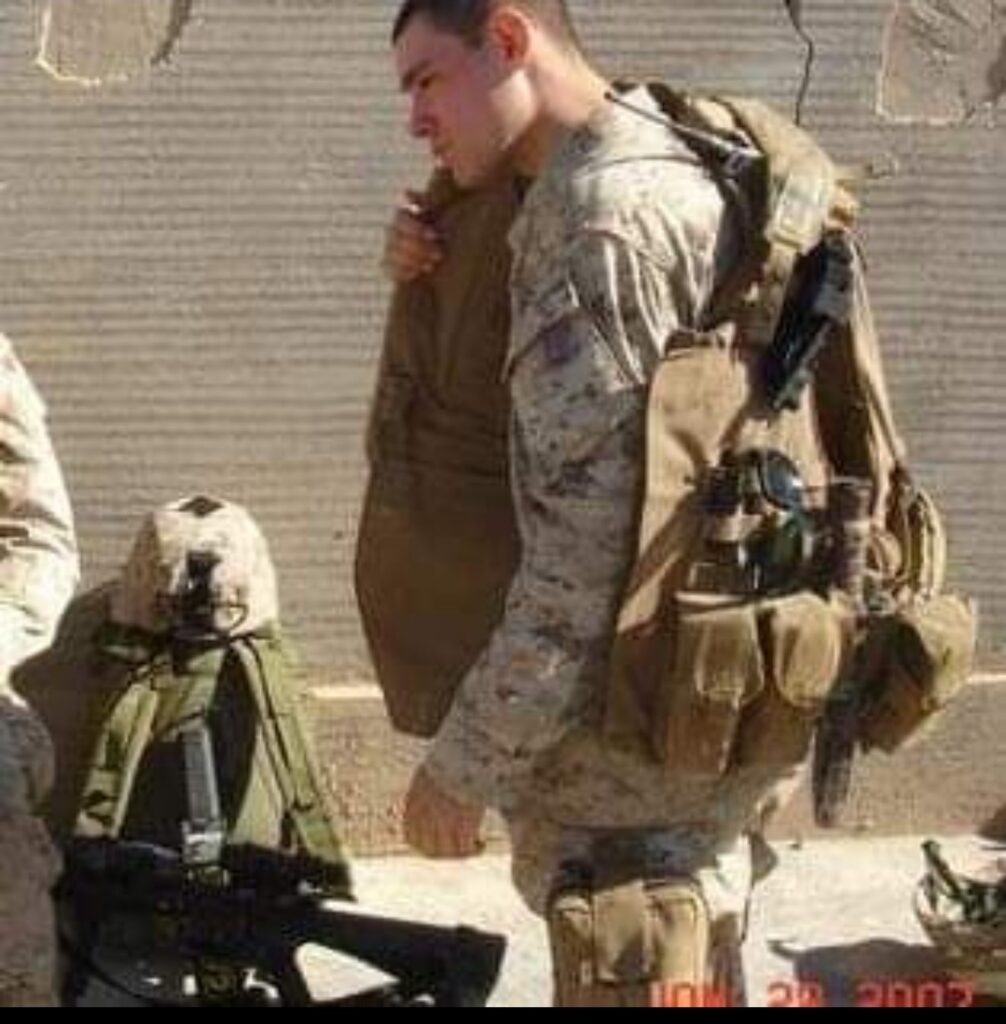
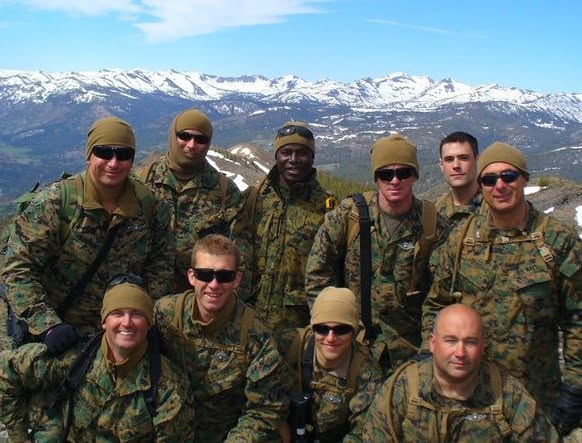
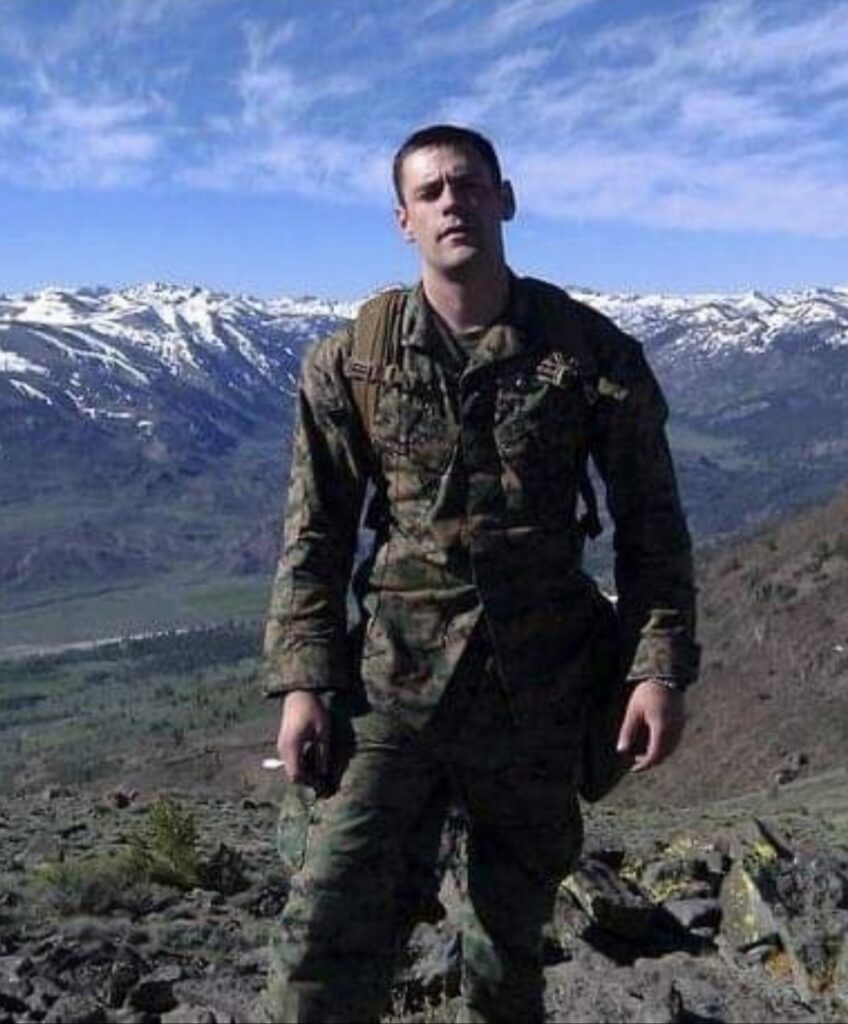
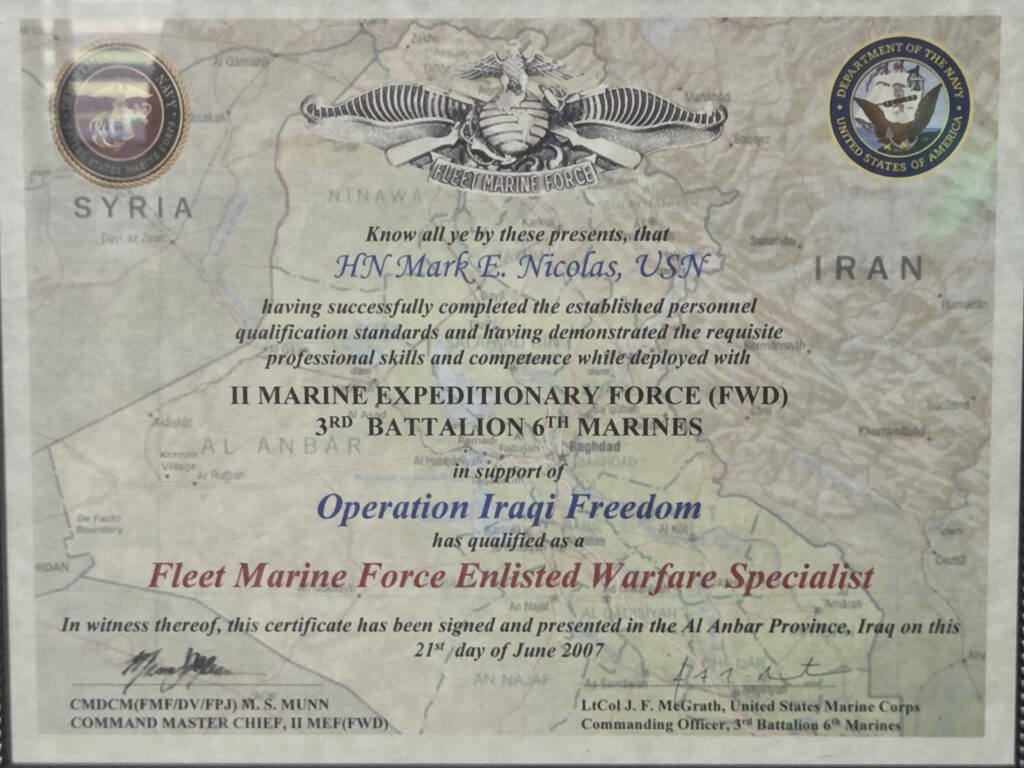
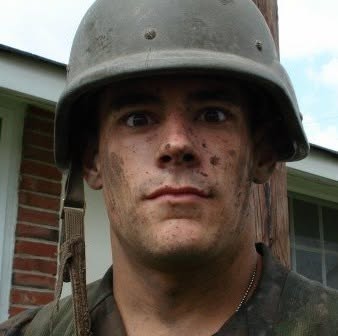
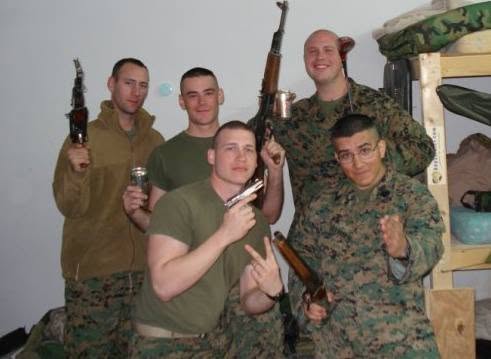
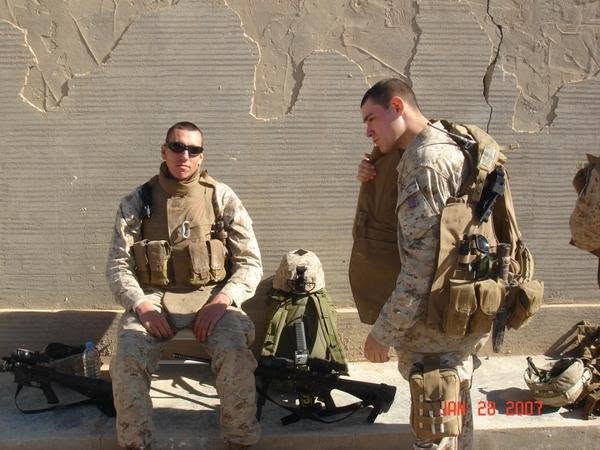
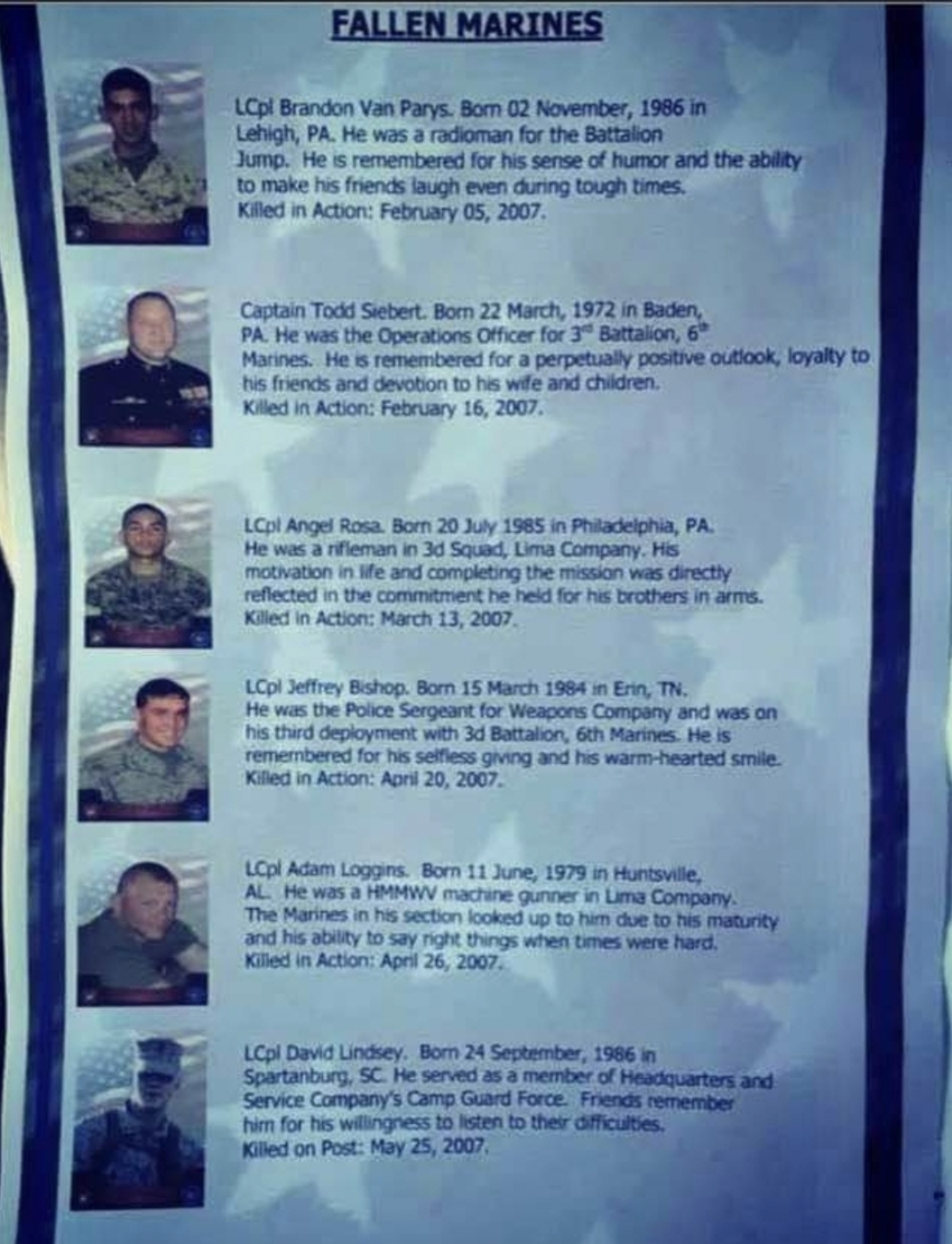
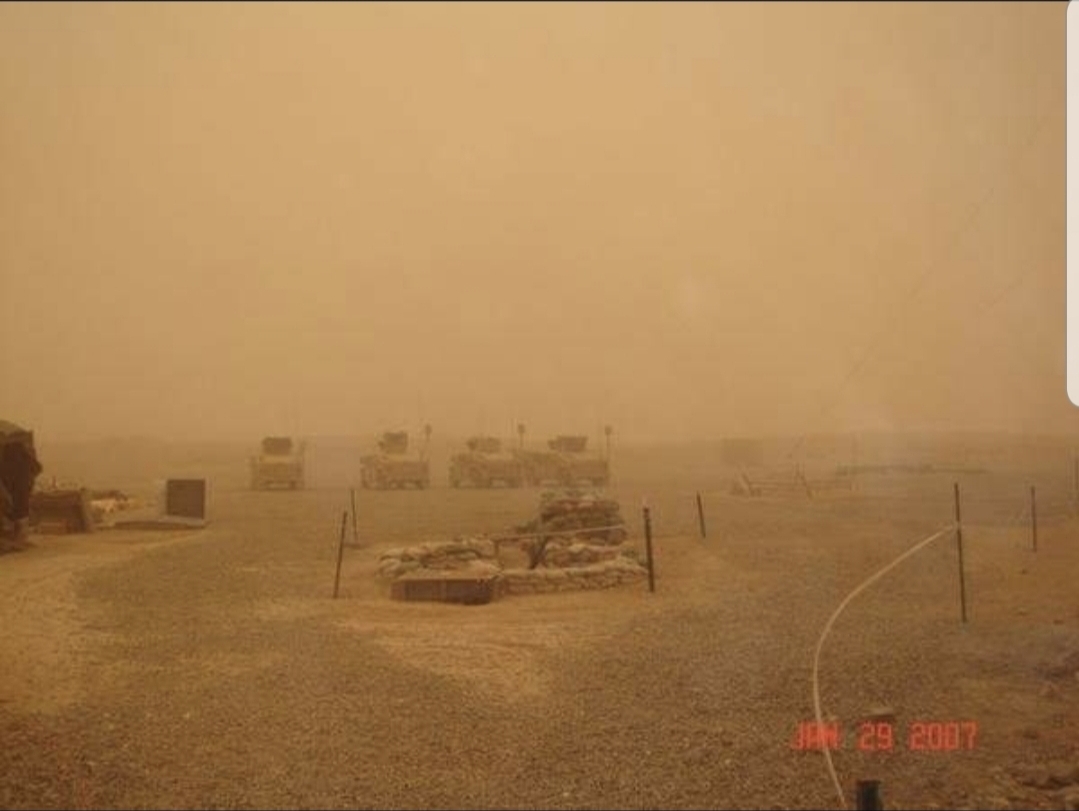
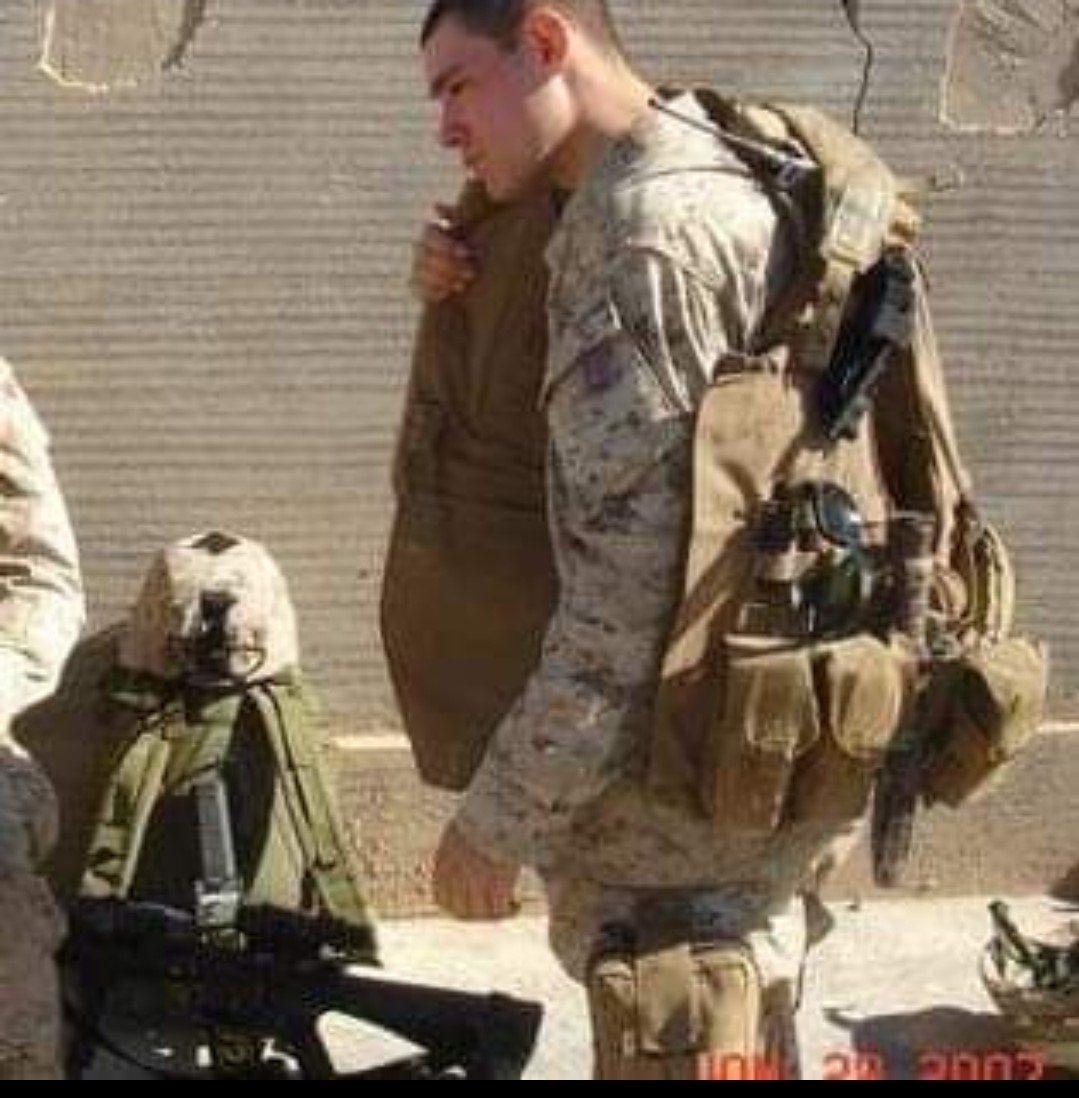
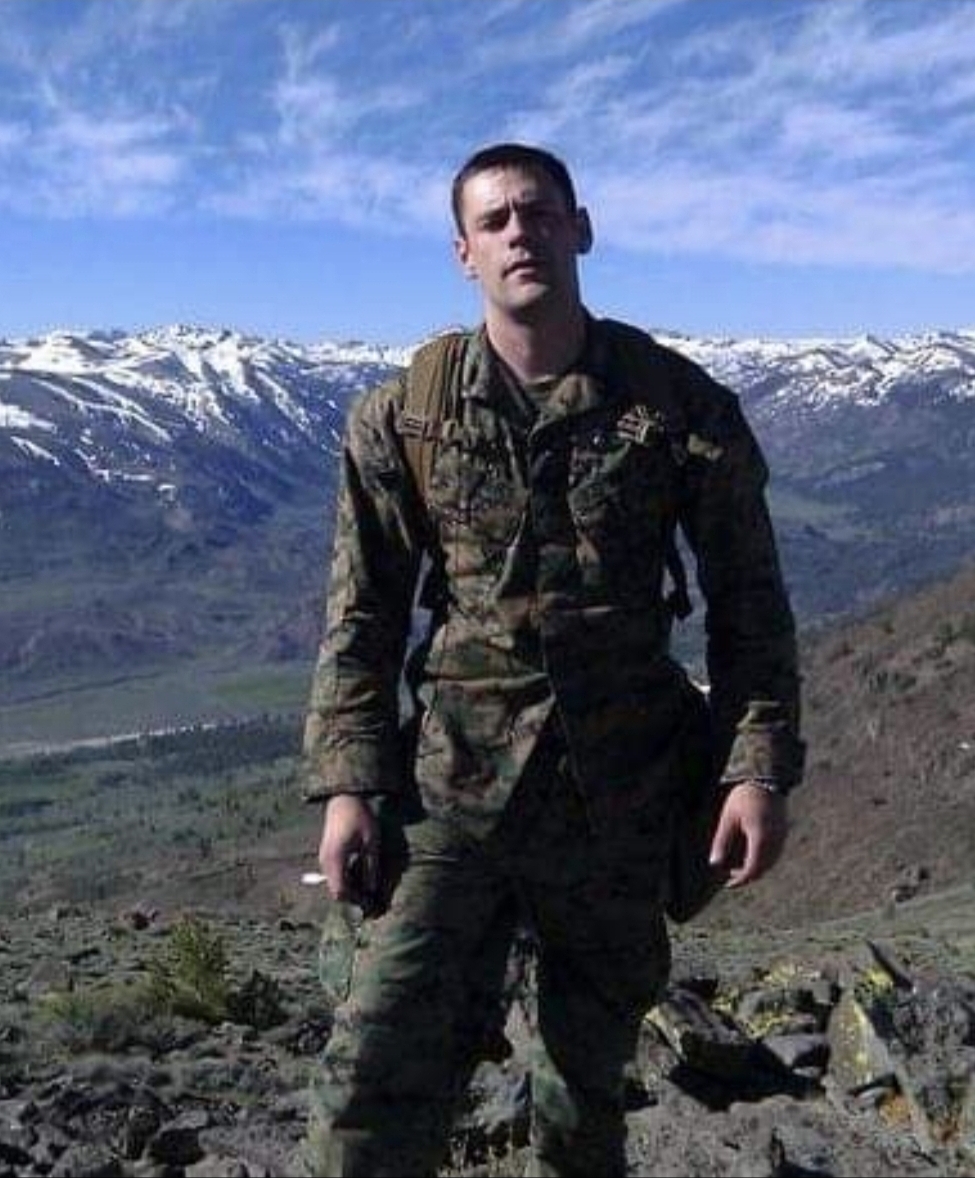
The Navy trained Nicolas as a Fleet Marine Force corpsman, a Navy medical specialist assigned to serve with Marine units. In 2007, he deployed with 3rd Battalion, 6th Marines, to Fallujah, Iraq. During one attack, insurgents fired mortar rounds at the service members’ position. The rounds missed them and struck an area where children were present.
A young girl survived with serious burns along one side of her body and down her leg. Nicolas and another corpsman took turns returning to treat her. In the heat and dirt, they cleaned the wounds, removed dead tissue, applied medication and changed dressings, trying to preserve tissue and prevent infection. The treatment hurt her, and she screamed while they worked. The child received the injury, and the men the attack had been meant to kill became responsible for treating what it left behind.
After the deployment, Nicolas traveled to Maine with his grandfather. During the drive, the older man finally told him how he had earned the Silver Star. Nicolas knew about the medal and the police stories. He had never heard how his grandfather moved under fire to save another American and then returned into danger. The distance between them remained, yet after Fallujah, Nicolas could understand the danger behind the Silver Star in a way he could not have before.
When military service ended, the medical work continued. Across urgent care, oncology and cardiology, Nicolas drew blood, ran laboratory tests, assessed patients and moved wherever the clinic needed him. Over those same years, he lost weight, became pale and withdrew from others, yet he continued caring for patients and completing records.
“I like to think I fooled everyone, but part of me hopes someone noticed,” Nicolas said.
He could be intense or abrasive, but colleagues still relied on him when staffing, workflow or a patient’s condition became difficult. Nicolas kept what was happening outside of work to himself and gritted his teeth through it. No meaningful intervention reached him.
“I was the safety net,” Nicolas said.
From 2008 through 2018, severe addiction kept advancing beneath that performance. Eventually, Nicolas no longer believed he could treat patients responsibly in his condition, so he resigned. Without the job, he lost his income and daily routine. By 2018, he had experienced homelessness and weighed about 145 pounds.
A small studio apartment eventually gave Nicolas an address. Hot water was unreliable, the stove did not always work and even the heat could not be assumed. Already sick when he woke, he drove for Uber until he had earned enough to blunt the withdrawal, sleep and preserve something for the following morning. At night, he usually ate the same meal while television or video games occupied part of the remaining time, along with the recurring argument whether he wanted to keep living. Nicolas had damaged relationships and pushed nearly everyone away, but his service dog, Libby, was still there.
“I could imagine what would happen to her if I died alone in that apartment. That thought kept me here when not much else could,” Nicolas said.
One Step Sideways
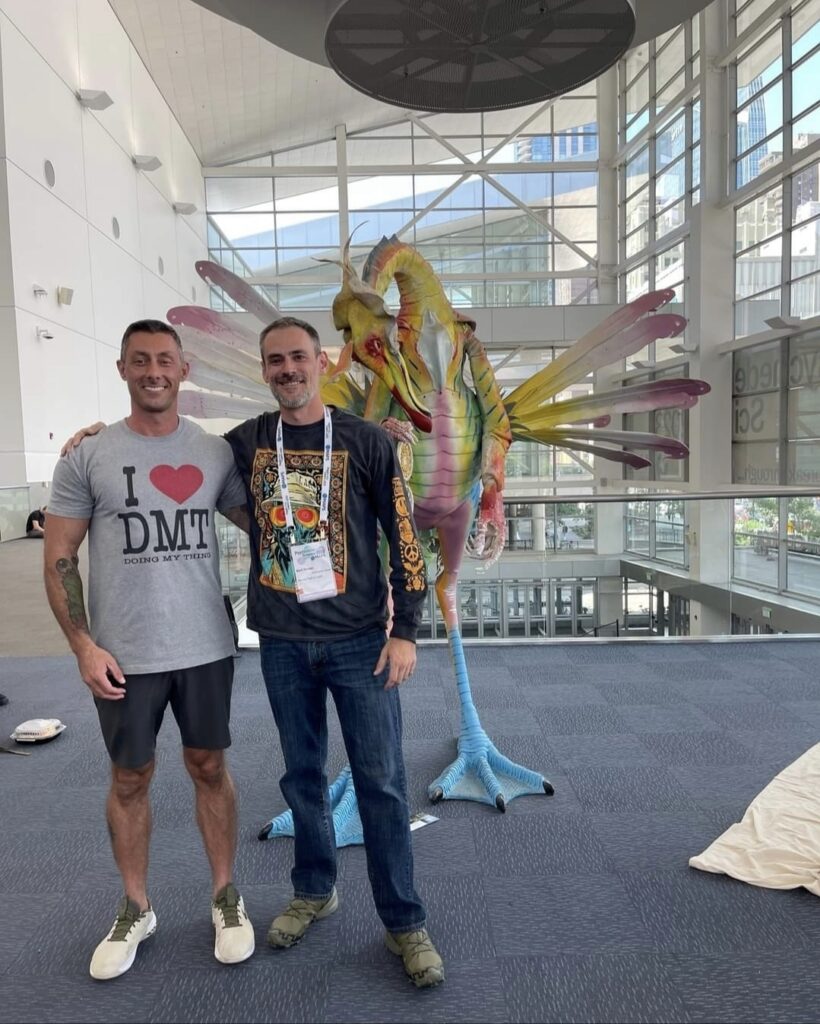
During that period, a friend called about a request Nicolas had made months earlier. He had asked to be contacted if the friend found DMT, a fast-acting psychedelic. Nicolas had heard claims that it might help people suffering from trauma and addiction. Desperation made him willing to try something that might interrupt the life he was repeating, and when the friend asked whether he remained interested, he agreed.
“It felt like I had spent my entire life standing with my nose pressed against a telephone pole,” Nicolas said.
From that distance, the pole filled his entire field of vision. It held the addiction, shame and grief that had narrowed his life to survival. During the experience, he felt as though he took a single step sideways. The pole remained, but the rest of the field opened around it, allowing him to see the damage he was causing, the help he needed and the possibility that reaching for it no longer had to remain unthinkable. The experience did not end his addiction, but afterward he began seeking treatment in earnest.
That search brought him to the Department of Veterans Affairs, where he entered looking for support and found a system that felt overwhelmed by the severity and number of crises around him. Several veterans were in immediate danger, and some did not survive. Nicolas found one of the veterans after the man had died. Amid those crises, another Marine was at risk of being discharged into homelessness.
Although Nicolas’s own housing was unstable, he began advocating for others. The advocacy placed him in contact with Sarah McNary, who directed a VA transition-care program for post-9/11 veterans. McNary told him about Warriors Heart, a treatment program in Bandera, Texas, for veterans and first responders dealing with substance use, post-traumatic stress and related conditions. She asked whether he would try it.
“I said yes,” Nicolas recalled.
After landing in Texas, Nicolas stood near the airport terminal considering a return flight. He believed going back to his previous life would kill him, but before he left, someone called his name. The voice belonged to Satch, a driver from Warriors Heart, who asked Nicolas to give the program a chance. Nicolas went with him.
They reached Warriors Heart early one morning in October 2018, when mist and fog surrounded the clinical building and the monarch migration filled the grounds. Thousands of butterflies covered the bushes and buildings and landed on the people stepping from the bus as the staff greeted the new arrivals.
“Welcome home,” staff members said.
Inside the program, the monarchs gave way to schedules, groups and rules. Each morning, Nicolas took a chair in the circle. He could move through the prompts, listen to others and appear involved without surrendering much of himself, distracting clinicians and redirecting attention away from the reason he had come.
“At one point, I was probably the most stereotypical treatment resistant patient imaginable,” Nicolas said.
The next morning, he returned to the same circle, and the morning after that. Instead of one more convincing performance, treatment required Nicolas to keep coming back. He completed the program and entered a sober-living residence, where a roommate described traveling to Mexico for ibogaine, a psychoactive compound derived from iboga and studied as an addiction treatment despite serious heart risks. Nicolas wanted to understand what the substance might have done to the body and brain and why some effects appeared to outlast the immediate experience.
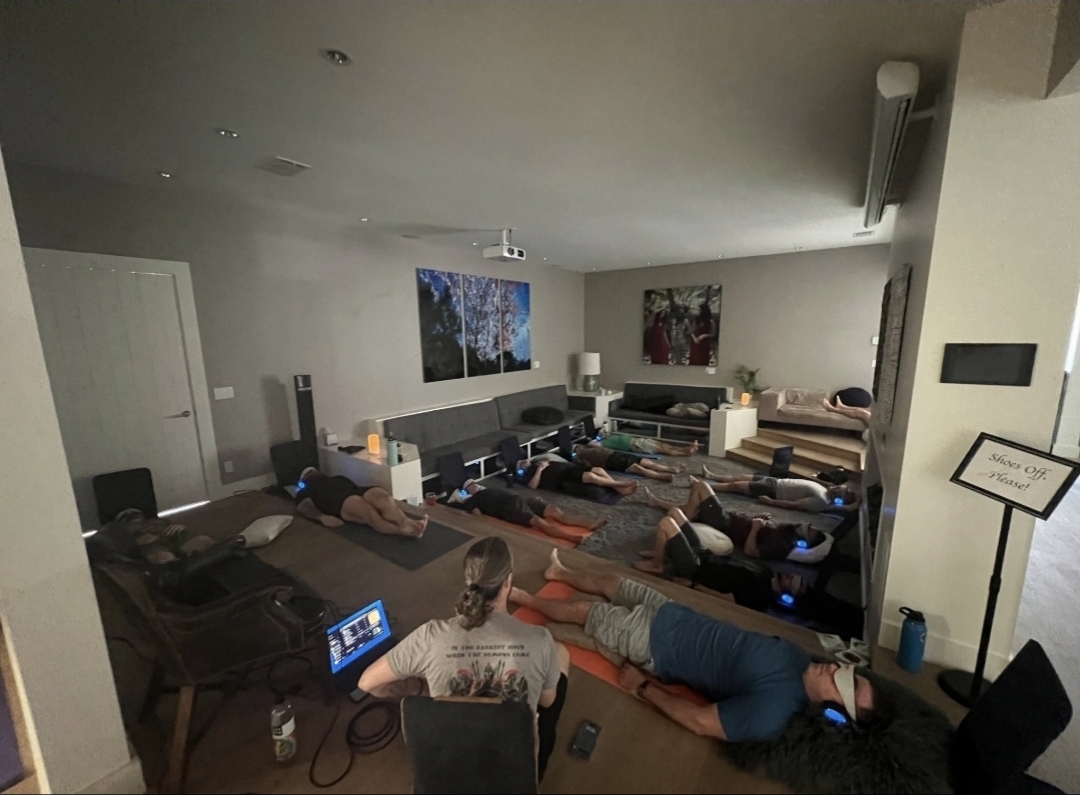
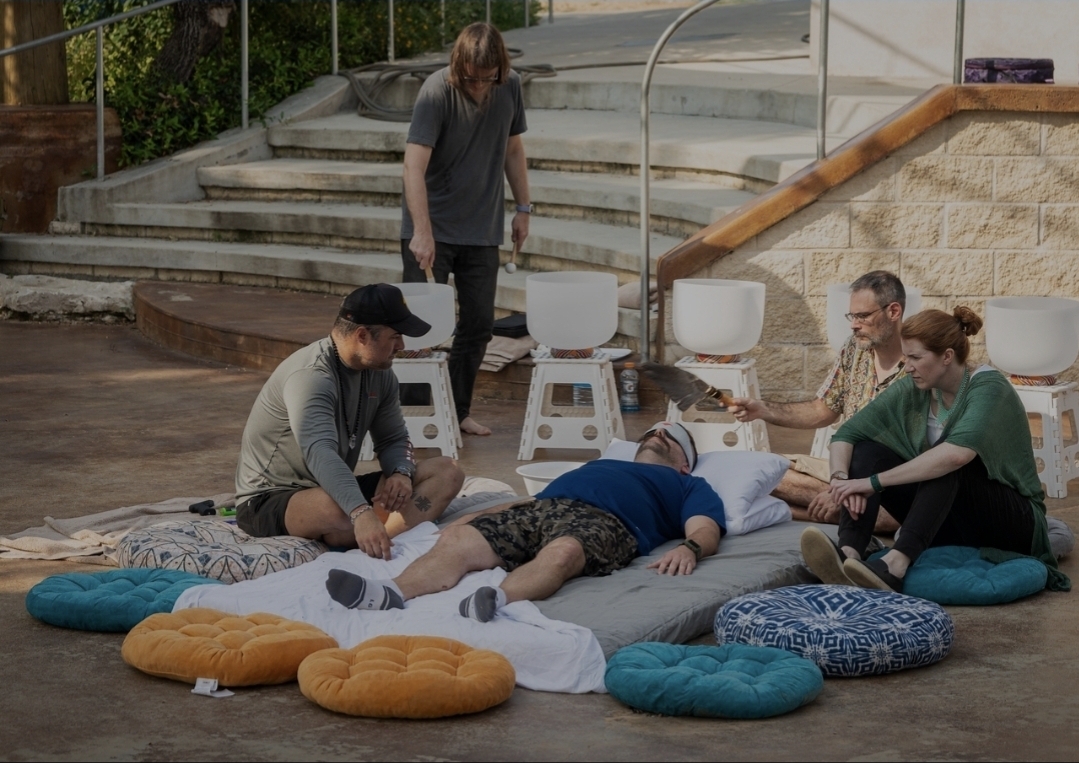
Some later experiences seemed, to Nicolas, to loosen guilt and grief he had carried through addiction. What he believed he saw in other participants deepened his interest, while the authority held by facilitators made him increasingly attentive to screening and professional oversight.
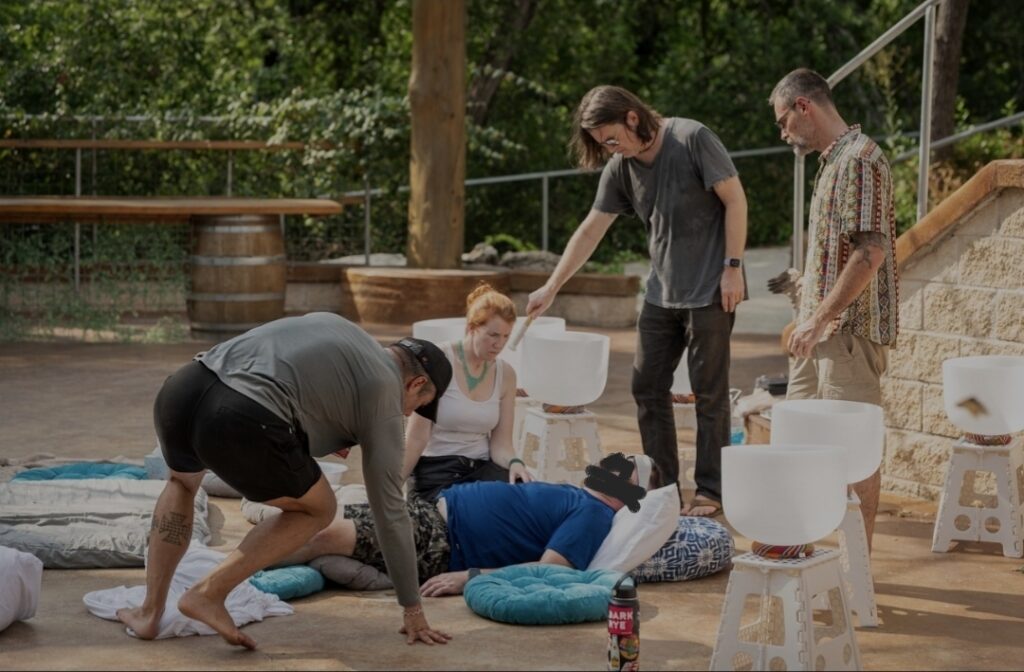
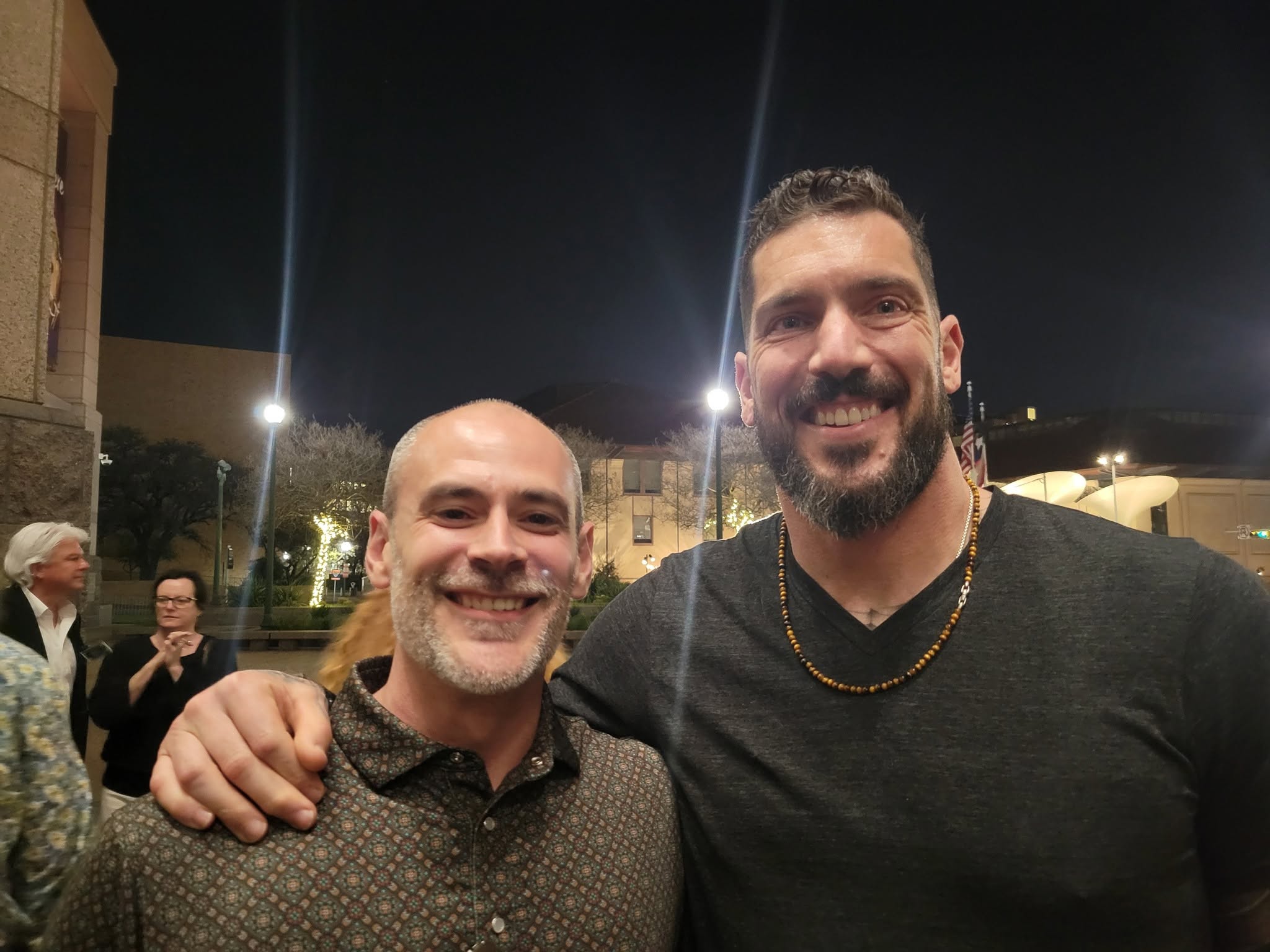
By then, Nicolas had helped establish The Illuminating Collective, an Austin organization centered on psychedelic and sacramental practices, and returned to school to study addiction counseling. He was with its team, preparing to attend a South by Southwest talk, when the call about his mother arrived.
Nicolas had anticipated the possibility of an overdose for much of his life, but the call still shocked him. His grandmother had already buried one child, Nicolas’s uncle, and he did not want her to receive the news by telephone or manage another child’s burial alone. He flew to Massachusetts, although leaving the state had once been part of protecting his sobriety. Nicolas expected to arrange a funeral, settle whatever practical matters he could and return to the life he had begun rebuilding in Texas.
“When I hugged her, my arms went all the way around her. That frightened me because my grandmother had always been naturally larger. That should not have been possible,” Nicolas said.
The refrigerator was nearly empty, and her pantry, usually full, no longer resembled the one he remembered. When they sat down to talk, the conversation began looping. His grandmother repeated herself and could not retain what Nicolas had just told her. He told her that her daughter was dead. She absorbed the news, forgot it and asked again why he was there. Nicolas told her again. She forgot again.
“After a couple of times, I stopped telling her because it felt cruel to make her relive it,” Nicolas said.
His grandmother still had periods of clarity, and eventually she retained the news. Her cognitive decline had advanced far beyond what Nicolas had known from Texas. Travel had consumed most of his money, and her finances had become difficult to manage.
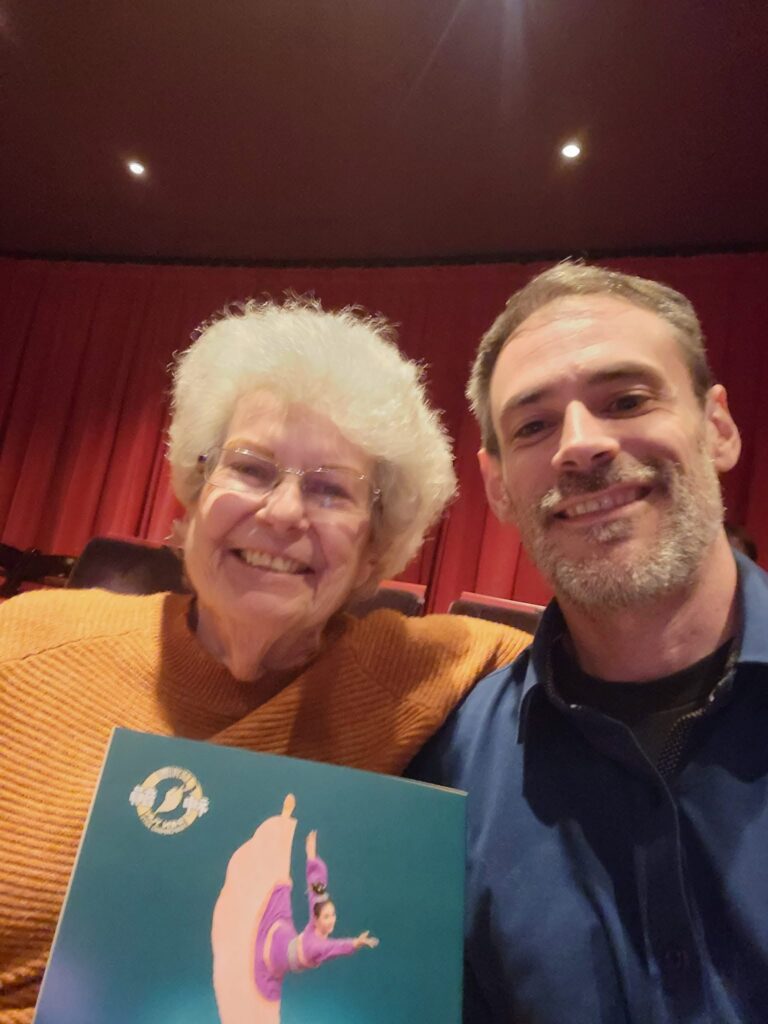
Nicolas eventually gained access to approximately $5,000 his mother had posted for bail. Money intended to help release her from jail helped pay for her burial instead. The funeral could be completed, but his grandmother’s care had no comparable endpoint. Temporary help allowed Nicolas to return to Texas and finish the semester while reorganizing his life around her. About a month later, he went back to Massachusetts and brought her across the country.
At first, they shared a one-bedroom apartment while he attended school full-time, with her appointments, finances and physical safety competing against bills, recovery and academic work. After managing her affairs and selling the Massachusetts house where she had lived, Nicolas bought a home in Lampasas with more space and a shower she could use safely.
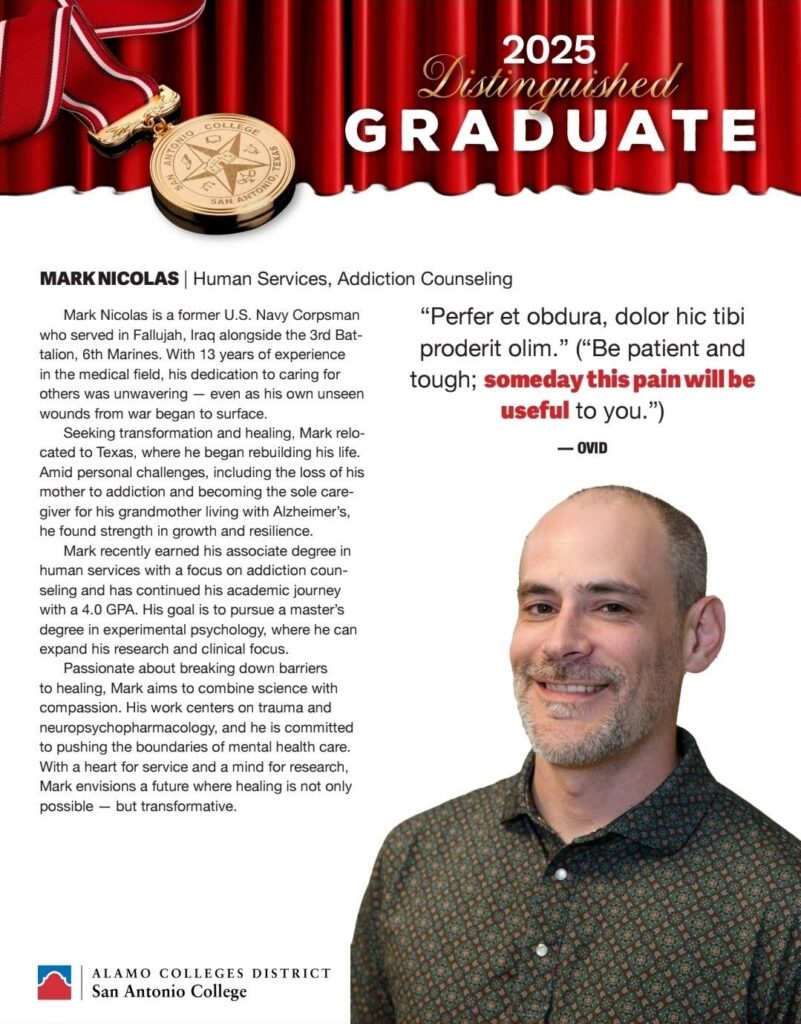
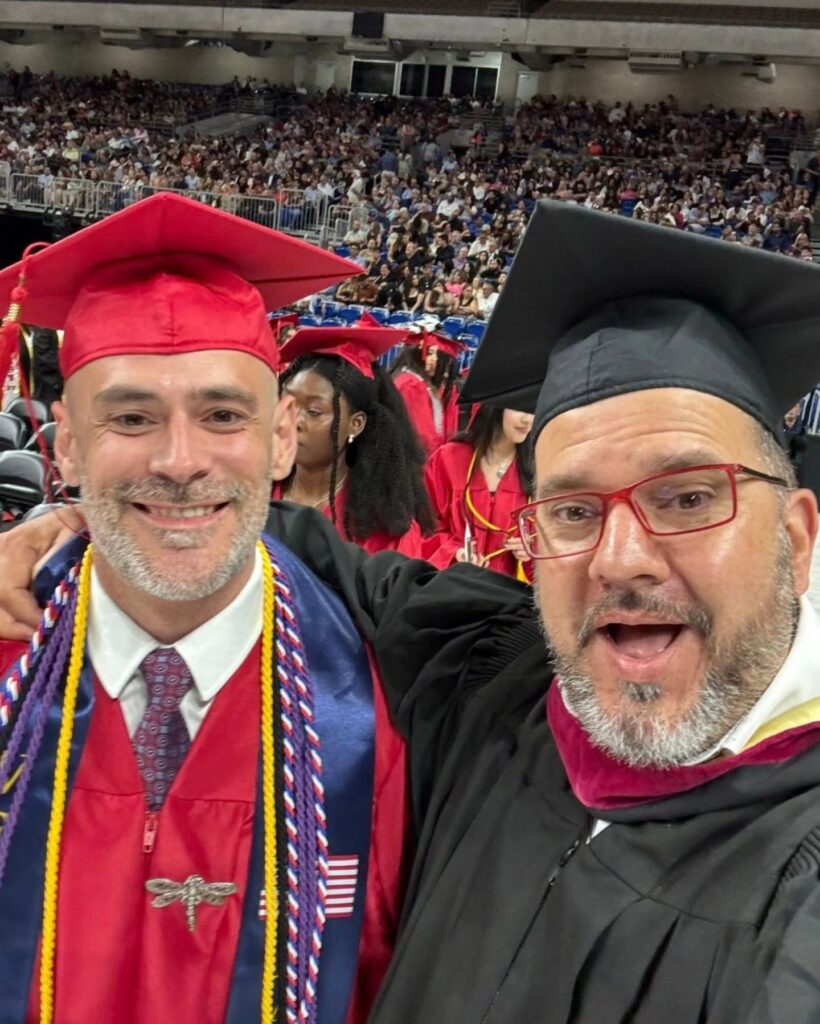
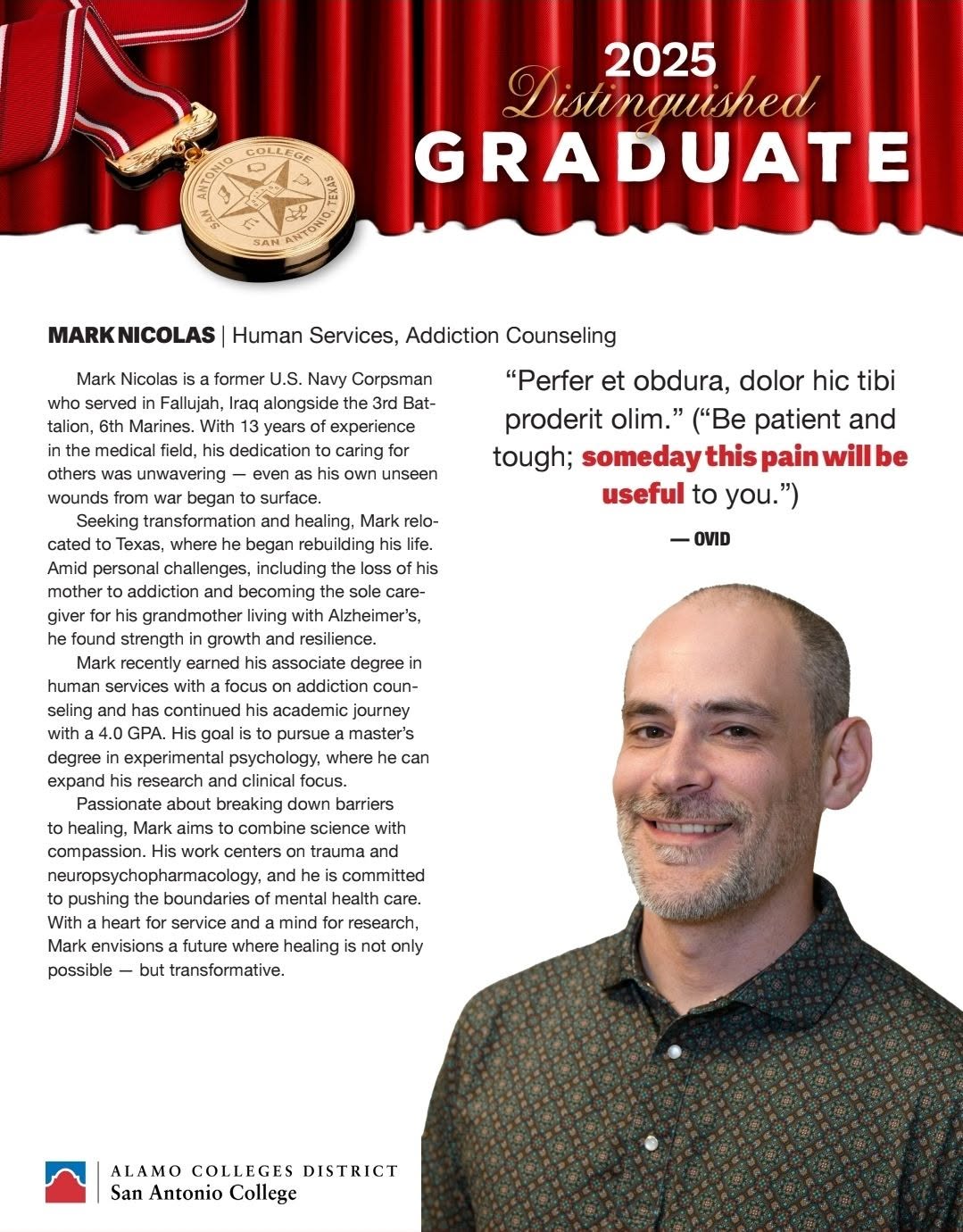
While caring for his grandmother, Nicolas continued studying addiction counseling at San Antonio College. Passing would have satisfied him under the circumstances, but he earned a 4.0 GPA and was named a Distinguished Graduate. The program eventually sent him back to Warriors Heart for an internship.
When Nicolas returned, the morning circle was still there. Veterans and first responders shared, set intentions and planned the day. Nicolas now sat among them as a clinician in training, but he did not feel as though he had crossed into a different category of person. He recognized the same evasions he had once used from one of the other chairs.
One of his first individual clients was a man he calls James. The client distracted clinicians, redirected attention and attended sessions without fully engaging. Nicolas recognized the behavior because he had practiced it himself. Eventually, James’s conduct crossed a line that required him to leave the program.
“I could not do the work for him,” Nicolas said.
Working with clients also exposed problems in the way Nicolas delivered criticism. Because he preferred blunt correction himself, he often delivered it in ways others experienced as judgement. He began paying closer attention to how he spoke, not only to what he saw. After completing the internship and his addiction counseling degree, Nicolas transferred to Texas A&M University–Central Texas.
The Arrow Keeps Record
Semester after semester, Nicolas’s GPA stayed at 4.0, and he kept finding reasons it did not count. At community college, he credited the easier standard rather than himself. After he transferred to Texas A&M University-Central Texas, the work grew more demanding, but the 4.0 held, and he moved the standard again.
“That’s why I keep running into the term ‘non-traditional’ these days,” Nicolas said.
In Dr. Kendal Smith’s Writing in Psychology course, Nicolas returned to the questions ibogaine had raised in sober living. He wanted to know whether conditions usually treated as separate, including addiction, post-traumatic stress and depression, might share disruptions in the brain systems governing reward and stress.
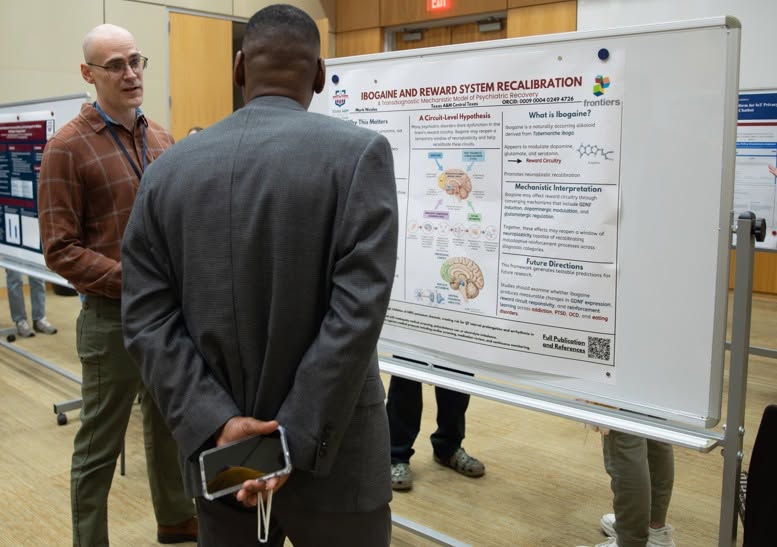
Before he could make the argument, Nicolas had to learn whether enough peer-reviewed research existed to support it. He examined ibogaine’s pharmacology and neuroplasticity, the brain’s ability to change and reorganize. His experience supplied the question, but the claims still needed published evidence and form other researchers could test or reject. When Nicolas learned that he did not need a doctorate to submit a manuscript for peer review, he sent the paper to a journal.
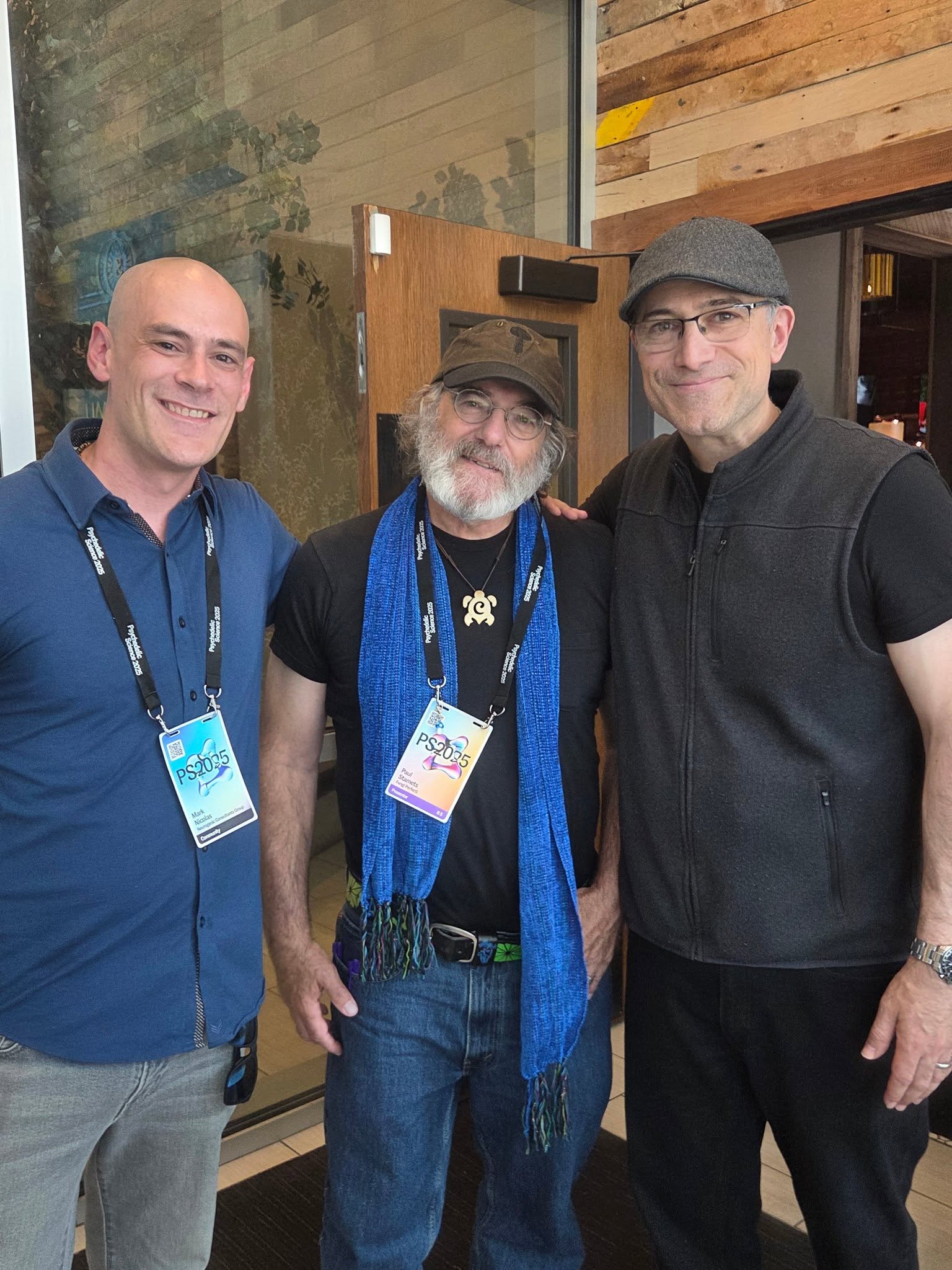
While the manuscript was under review, Nicolas began considering graduate school. He had already met Dr. Nolan Williams, a Stanford psychiatrist who pioneered rapid brain-stimulation treatments for severe depression and pursued ibogaine research with veterans. Nicolas hoped to study under him. Williams later died by suicide, the same way Nicolas’s uncle had died when Nicolas was 12, forcing Nicolas to reconsider where he might pursue graduate training.
The reviewers returned the manuscript twice. Each return sent Nicolas back through its claims and sources, forcing him to clarify how the paper’s central ideas could be tested. He revised it and submitted it again. After the second revision, the journal accepted the paper, but publication required money Nicolas did not have.
“I had to ask for help,” Nicolas said.
He described the project publicly and created a GoFundMe to cover the publication cost. Old friends, former colleagues and clients contributed.
“That support meant more than the money itself. It gave me a sense of being backed by people who believed in me and in the work,” Nicolas said.
The paper was later published as Ibogaine’s Potential Role in Supporting Reward System Recovery Across Diagnostic Boundaries. It argued that ibogaine deserved study across conditions such as addiction, post-traumatic stress and depression because those diagnoses may share disruptions in reward, motivation and stress regulation. The paper advanced a theoretical argument rather than a clinical conclusion.
Nicolas’s article later received its first academic citation in a Stanford-affiliated preprint examining ibogaine and post-traumatic stress in veterans. The researchers used EEG data to approach a related question through a different method, and Williams was among those credited with designing the study.
“It did not prove my ideas,” Nicolas said.
His developing Neural Attunement framework asks whether some lasting effects of psychedelic experiences may involve changes that continue after the acute experience. The framework remains theoretical. Evaluating it would require researchers to measure whether reward and stress systems change over time and whether those changes correspond with improved functioning. Nicolas hopes to pursue those questions through doctoral study after completing his psychology degree. Pursuing them has required him to accept fewer clients and less income, limiting his coaching to preparation before psychedelic retreats and integration afterward.
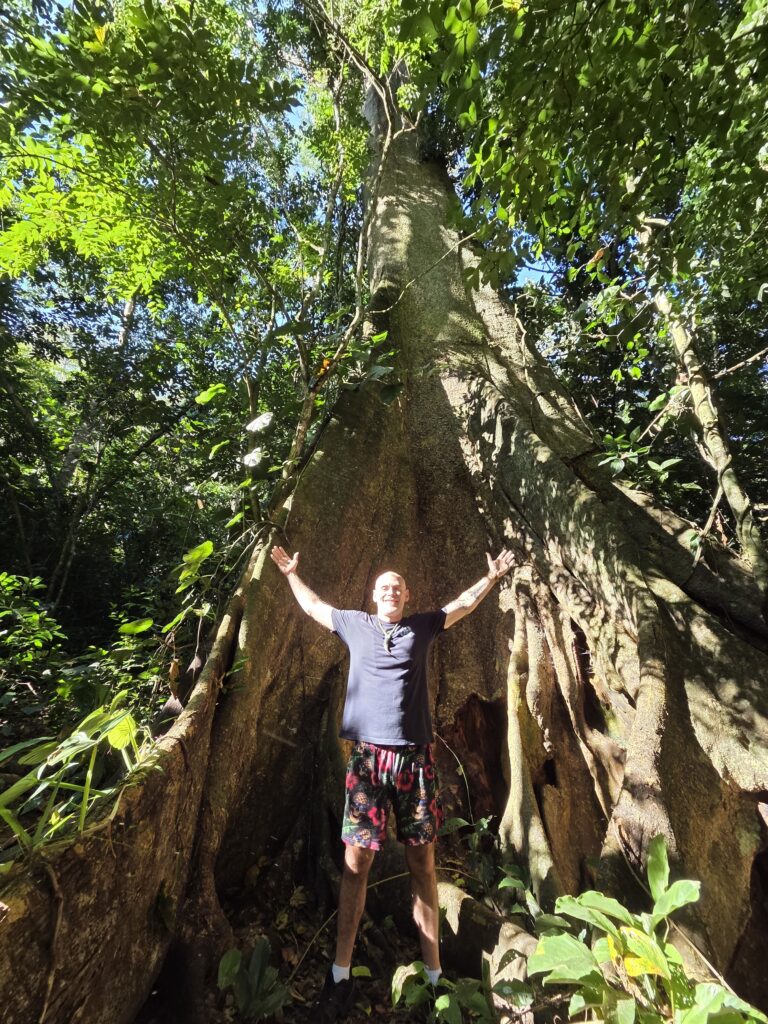
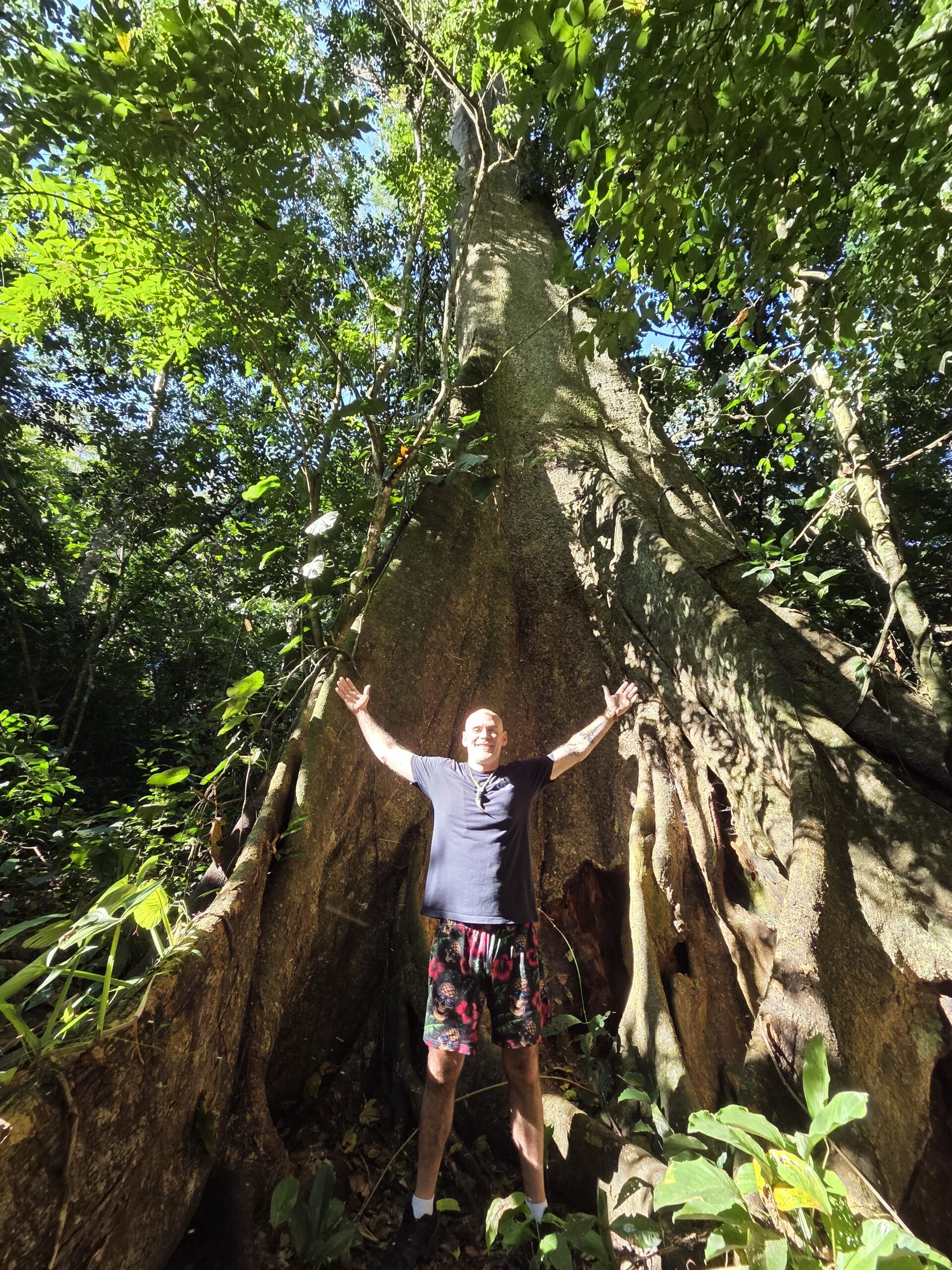
Years earlier, in the studio apartment, Nicolas woke already sick and organized each day around earning enough to blunt withdrawal. At home in Lampasas, most mornings now begin with gratitude. He drinks water outside in the sun and tries to stay off his phone before the day’s work begins. He tends the garden and keeps a room for his ancestors, where he tries to kneel each day.
Amongst these daily rituals include archery. As a teenager, with a crowd watching, Nicolas released too early and missed the target entirely. Now he keeps a bow there and shoots whenever the day allows.
“The arrow tells the truth,” he says.