Faculty and Staff Prepare for AI’s Growing Role in Higher Education
by Karen Clos,
Director of Communications –
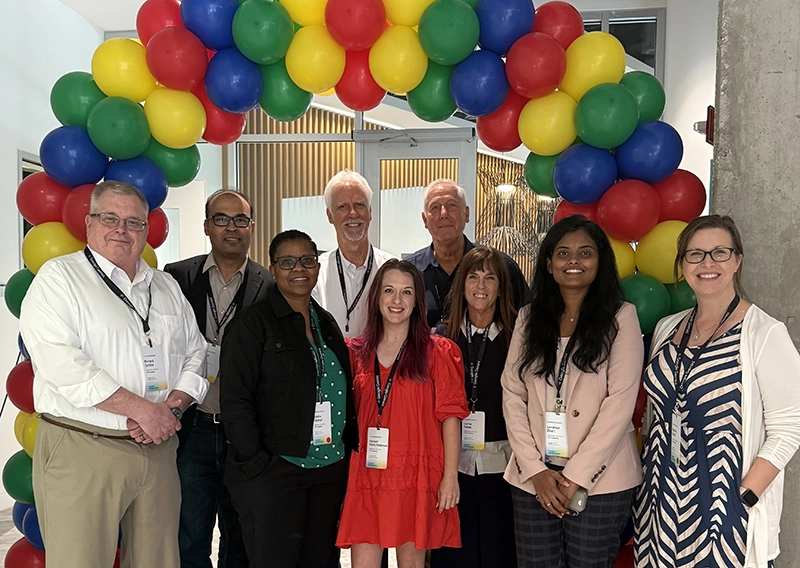
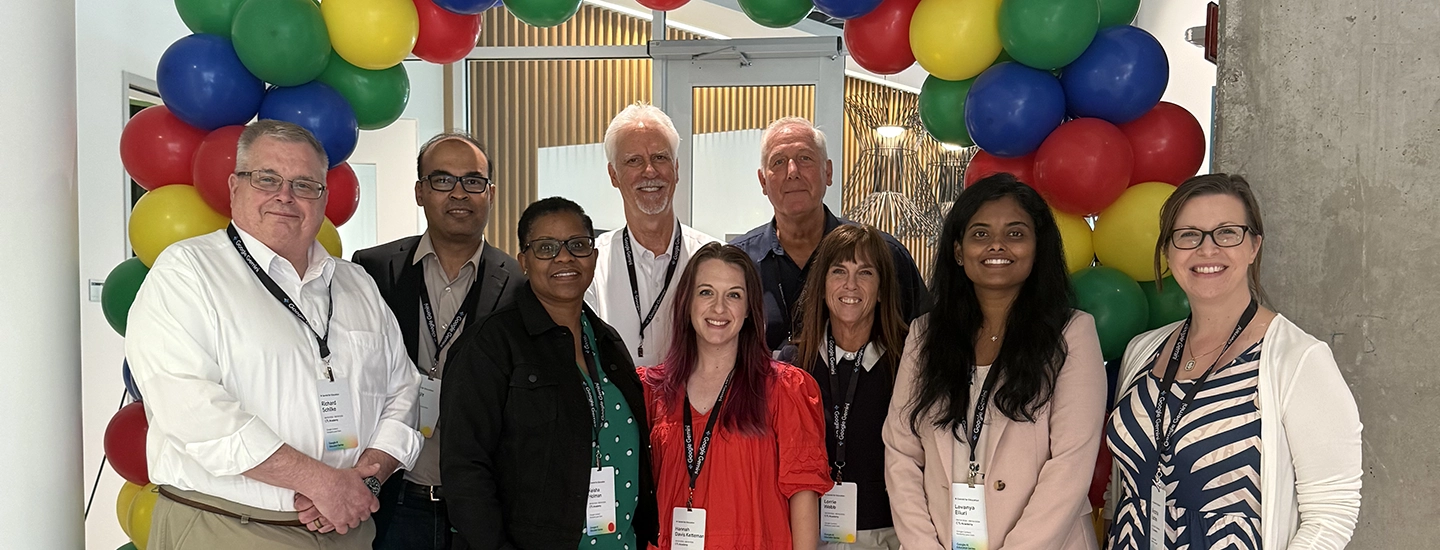
Twenty-six faculty and staff members from Texas A&M University-Central Texas recently joined higher education leaders from across the country at one of three Google AI Higher Education Summits held in Northern California, New York City, and Chicago over the summer.
It is one thing to hear that artificial intelligence is reshaping learning, work, and opportunity, said Hannah Ketteman, who joined the university six months ago as Senior Instructional Consultant for Artificial Intelligence.
“It is something else entirely to be invited by the people building these technologies to explore their potential impact on higher education and to have candid conversations about how institutions can use them responsibly and effectively.”
Ketteman said the experience brought together educators, instructional professionals, administrators, and technology leaders at a pivotal moment for higher education as colleges and universities consider how AI may influence academics, student services, research, and campus operations.
A presenter at the summit, Ketteman used the opportunity to include colleagues from across academic disciplines, administrative offices, and student services, helping ensure that conversations about artificial intelligence reflected a broad range of institutional perspectives.
Participants explored topics ranging from AI-assisted student services and academic innovation to workforce readiness, institutional operations, and ethical implementation. Sessions emphasized practical strategies, real-world examples, and the importance of ensuring that technological advancement remains aligned with student success and human-centered learning.
Designed specifically for higher education leaders, the Google AI Educator Series focused on practical applications of Google’s Gemini platform for research, assignment modernization, and productivity. Participants also received facilitation guides and implementation resources intended to help colleges and universities extend AI learning opportunities to faculty and staff on their own campuses.
The program encouraged attendees to develop plans for sharing knowledge within their institutions and supporting thoughtful, campus-wide adoption of artificial intelligence technologies in teaching, learning, research, and administrative operations.