The Bed Nesrin Fields Had to Lift Herself
By Demetra Paizanis,
Communications Coordinator –

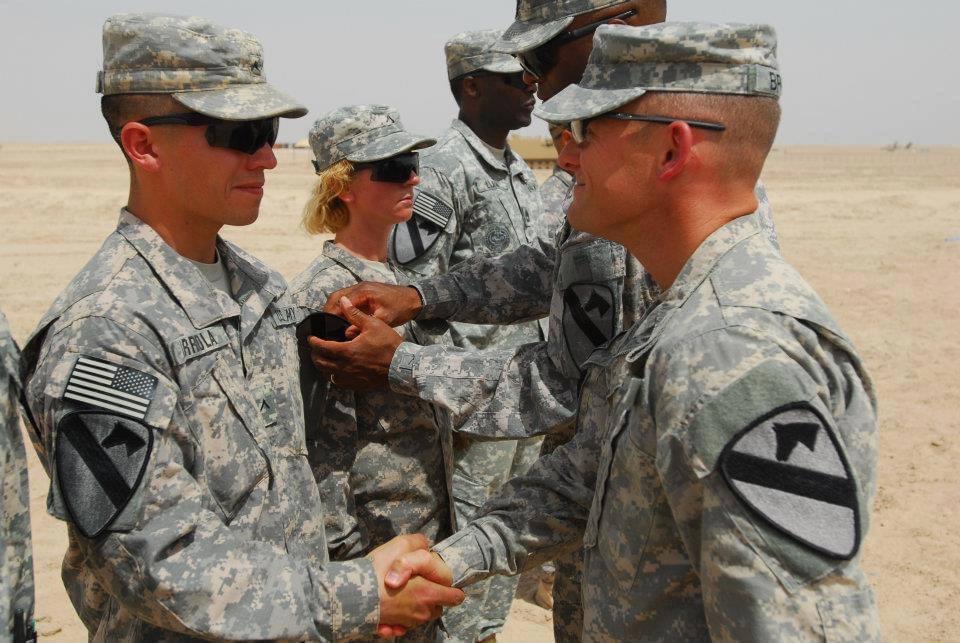
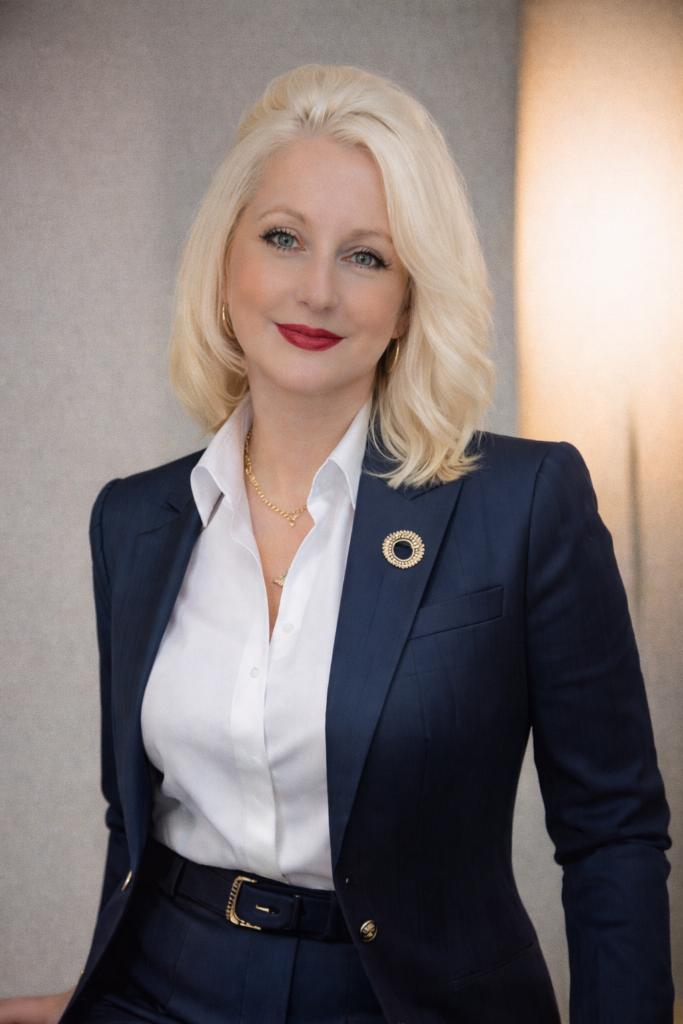
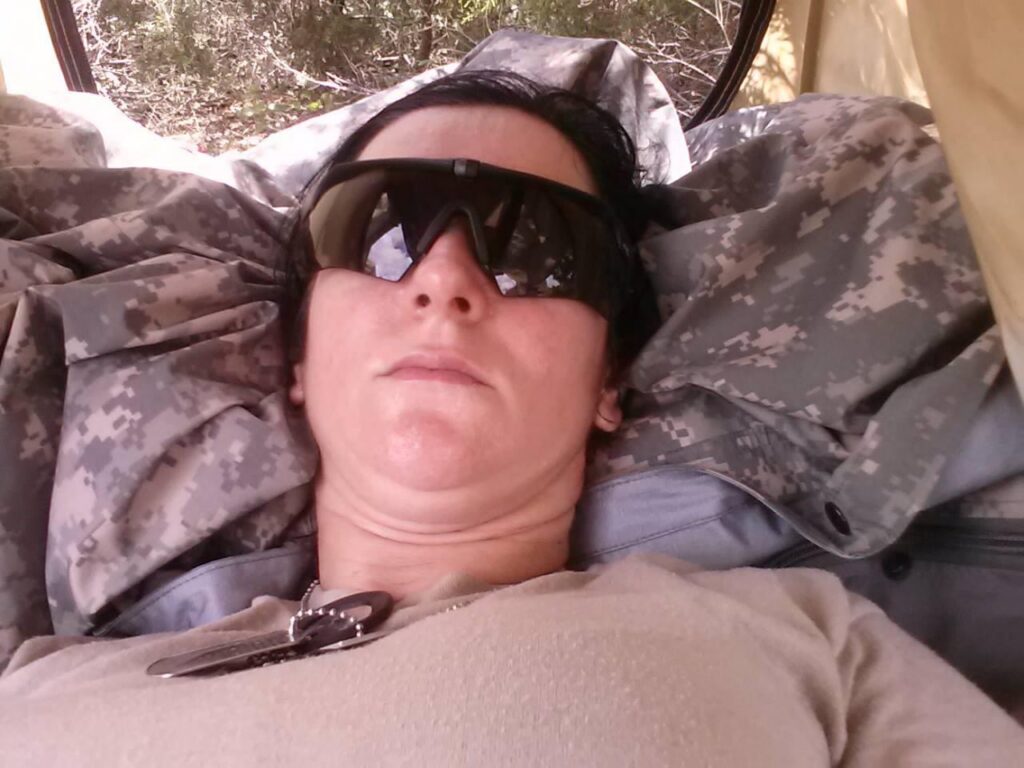
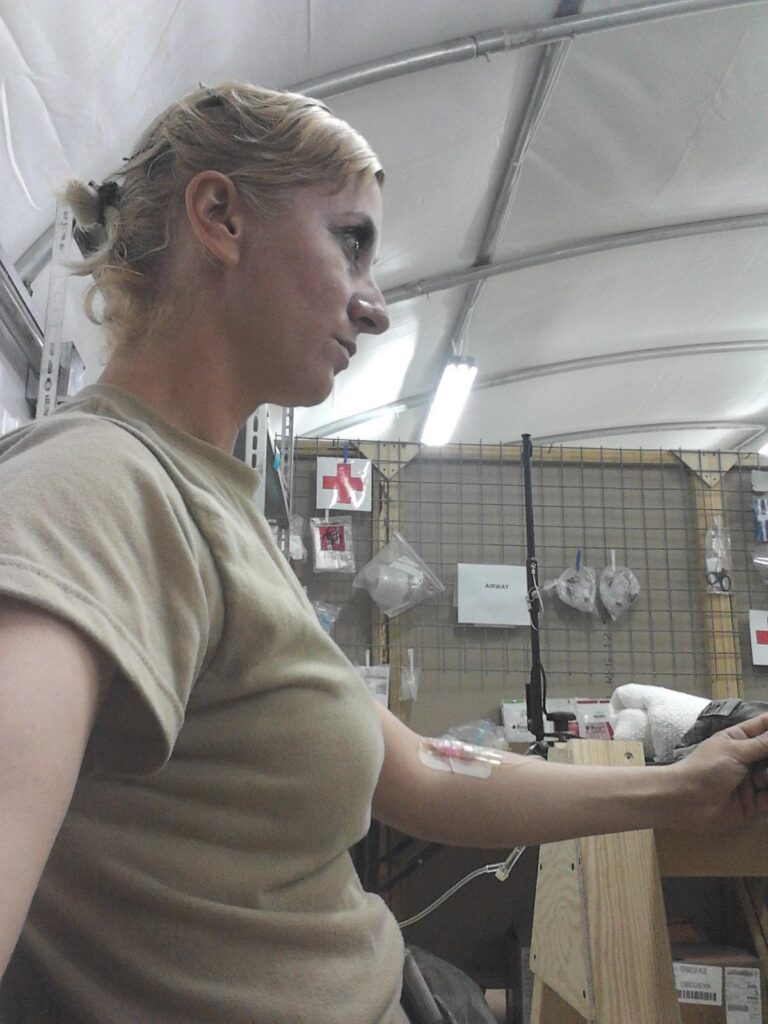




The bed was in the middle of the open barracks bay when Nesrin Lesley Fields came back from formation. Not unmade. Not crooked. Flipped.
The metal frame had been dragged out and overturned, its legs in the air, the mattress and blanket no longer a place to sleep. She had ended up with a shorter green blanket on a top bunk, and one side would not tuck properly. In basic training, that was enough. No one asked why. No one came to help her lift it.
Fields stood over the overturned frame while the other beds remained in place. She bent down, got her hands around the heavy metal frame, and began to lift. It was not the heaviest thing she would carry in the Army, but it was one of the first things no one else would lift for her.
Before the barracks bay, there was Izmir, Turkey, on the Aegean coast. Her father, an engineer, would drive two or three hours after long workdays so the family could be by the sea. Her mother ran the household and made cookies for the children after they swam. Fields would come out of the water hungry, grab cookies, and run back into the waves.
“At the time, they felt ordinary,” Fields said. “Now I understand how precious they really were.”
In that house, someone else often knew the route, the account, the schedule, the answer. Someone else stepped in before the problem reached her hands.
“I entered adulthood without fully understanding independence, self-confidence, or how to trust my own decisions,” she said.
Outside the house, in classrooms and daily life, she saw classmates and adults make choices, hear corrections, and keep going. They seemed to know how to move after making a mistake. Fields had not practiced that rhythm as much. In math, a wrong answer felt more like exposure than correction.
“For many years, I believed mathematics belonged to other people—people my teachers considered naturally gifted, academically exceptional, or worthy of recognition,” Fields said.
When Fields was applying to university in Turkey, admission ran through a national exam offered once a year. Retaking the exam could bring a score deduction, and wrong answers counted against correct ones. In a culture that prized first-attempt success, a second try carried social pressure as well as academic risk. Placement followed the score, the competition, and the preference list a student had already submitted. Fields passed on her second attempt and entered an economics program at Dokuz Eylül University, but the fact that she needed a second attempt still felt louder than the admission itself.
Around the same period, she attempted pre-mathematics coursework taught in German and struggled in those classes. The difficulty confirmed to her what math already suggested: that the subject belonged somewhere else, to students who can move through the challenges without the same fear. Applications tied to that path were postponed. Trying again could wait.
“Looking back, I feel that I lost nearly 10 years struggling with hesitation, overthinking, and not fully believing in my potential,” she said.
When the next step carried a real chance of failure, she often justified the safer option as realistic.
By the time she immigrated to the United States, Fields had already earned a bachelor’s degree in economics. Though transferring it might have allowed her to be further along on paper, she chose not to.
“I wanted to begin again,” she said. “I wanted to rebuild myself from zero in a new country, with a new language, and a new identity.”
So, Fields left the country in which she was familiar, the language she knew best, and the parents she had long relied on for plans, protection, and decisions. Her father supported the move, but once she arrived, all the choices waiting in America belonged to her. Beginning again meant meeting ordinary tasks without the ordinary help she had once expected. Course catalogs came in the foreign language of English. So did applications, advising forms, credentials, deadlines, and degree requirements. She had to choose the school, complete the form, and decide whether any old credentials should be applied. When the forms had unclear next steps, the decision still belonged to her.
The March Goes On
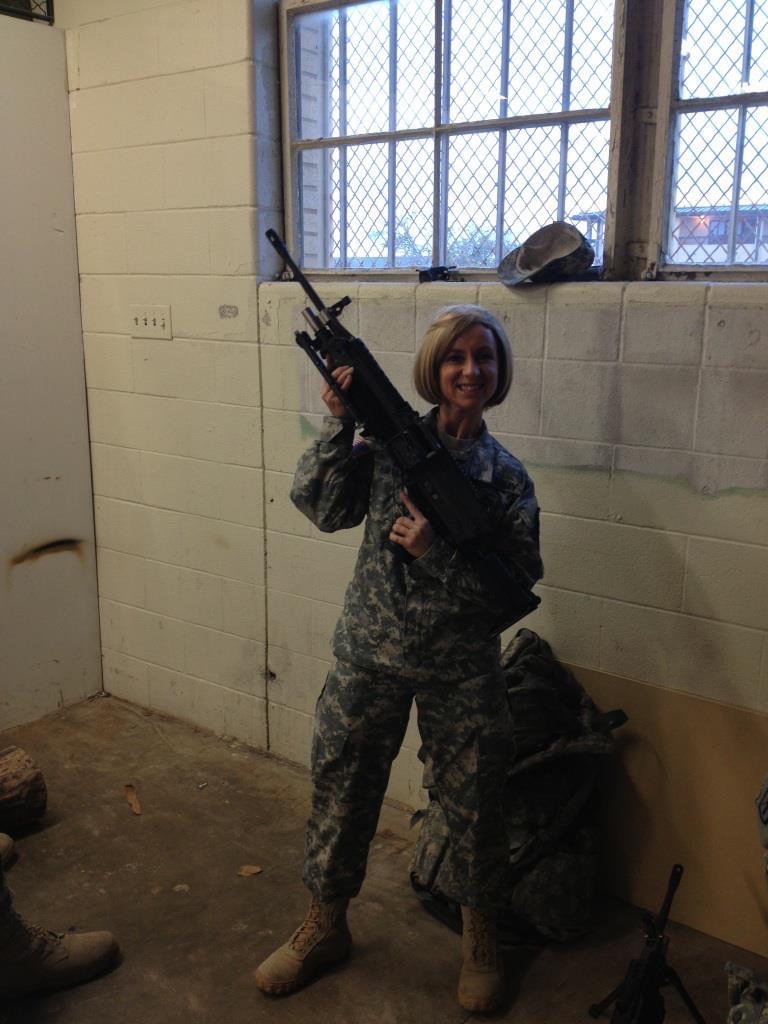
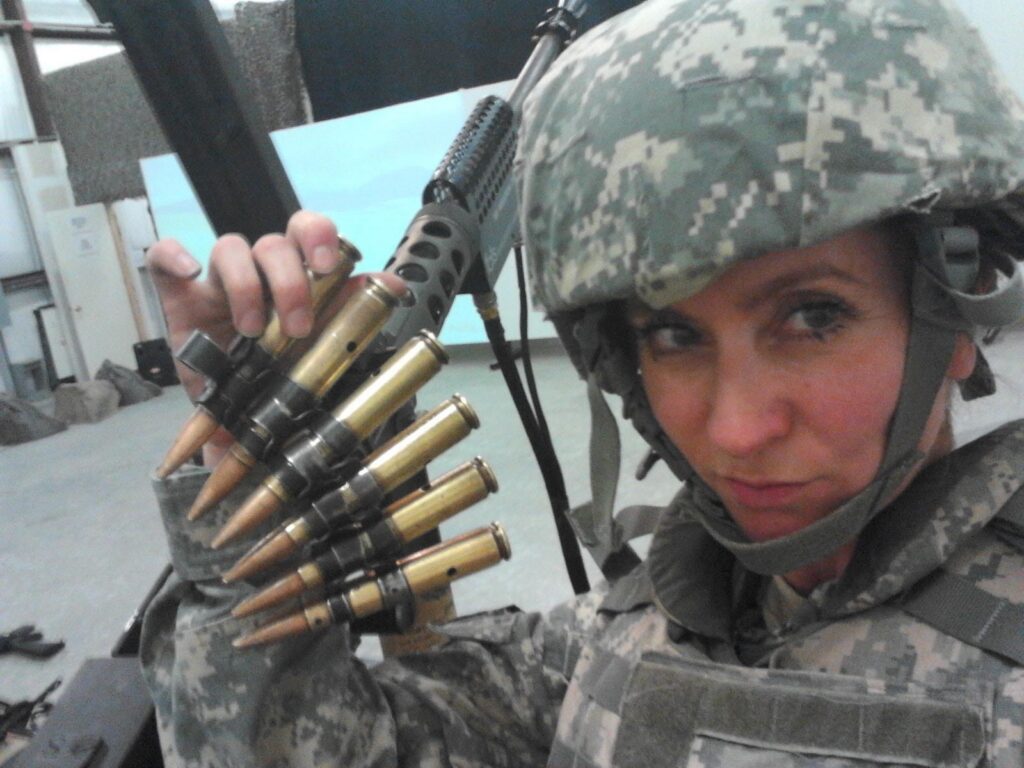
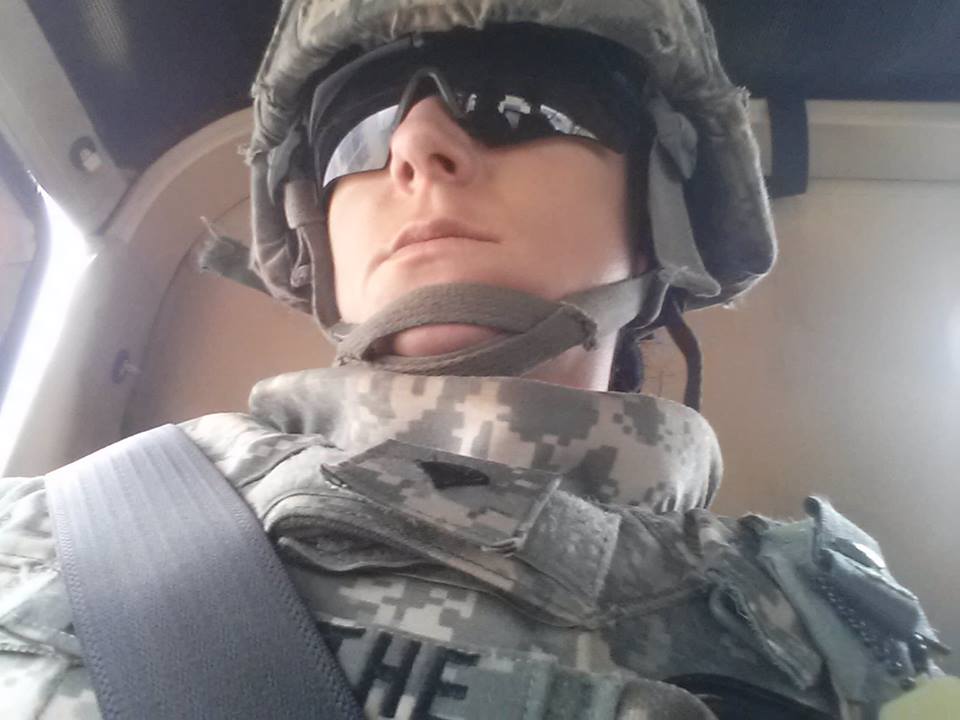
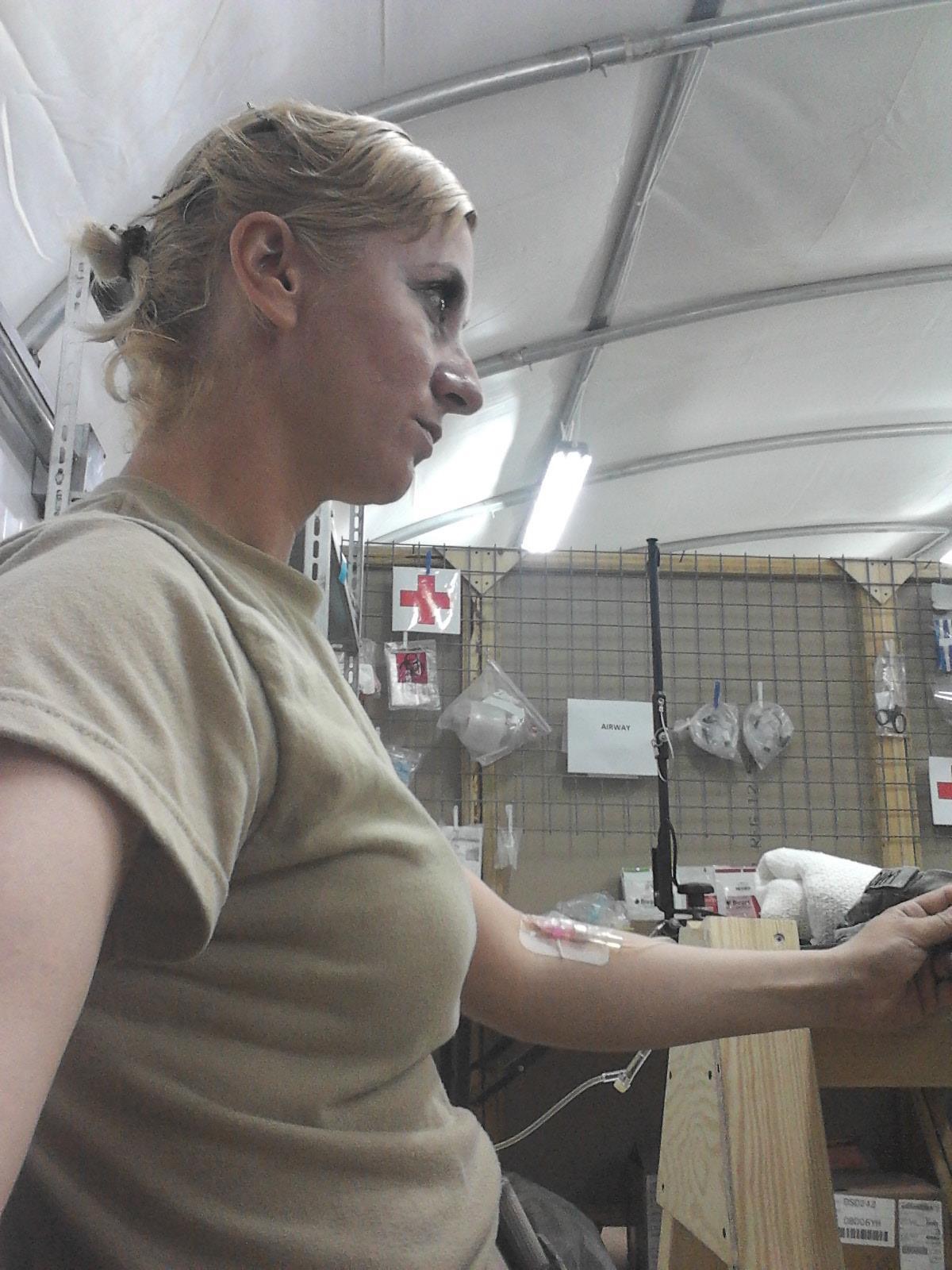
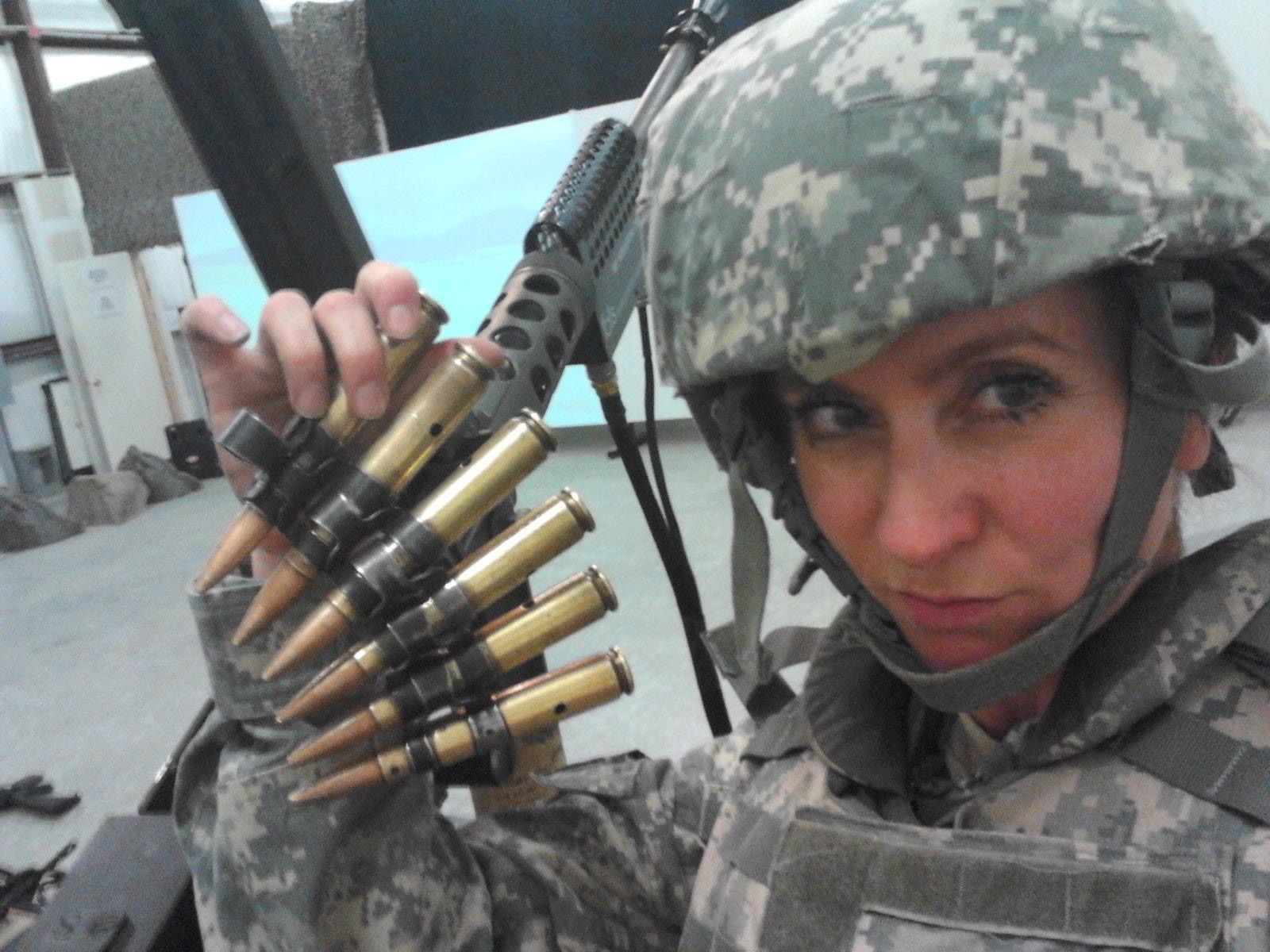
Fields enlisted because she wanted to serve in the U.S. Army, entering another system with rules she would have to learn by consequence. Long before immigrating, she had admired the United States. To Fields, the HBO miniseries Band of Brothers made the United States military service look like missions, uniforms, ranks, and people counting on one another. Basic training gave her a blanket, a bunk, and a bedframe she had to lift herself.
Luckily, the Army used a skill Fields already knew how to trust. As a military intelligence linguist, she worked in language, and she knew Turkish, English, German, French, Spanish, and Azerbaijani. With language, she could hear sounds, endings, cognates, and words shared across cultures. Those patterns gave her something to follow. Mathematics did not yet offer the same footing. Basic training, meanwhile, kept turning uncertainty into physical tasks.
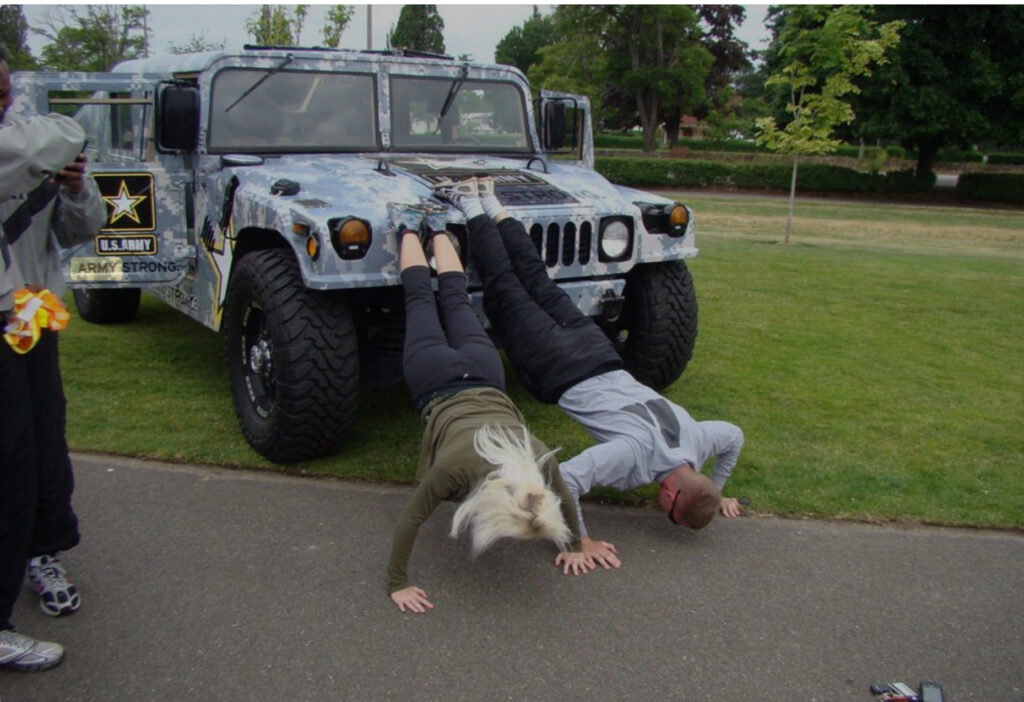
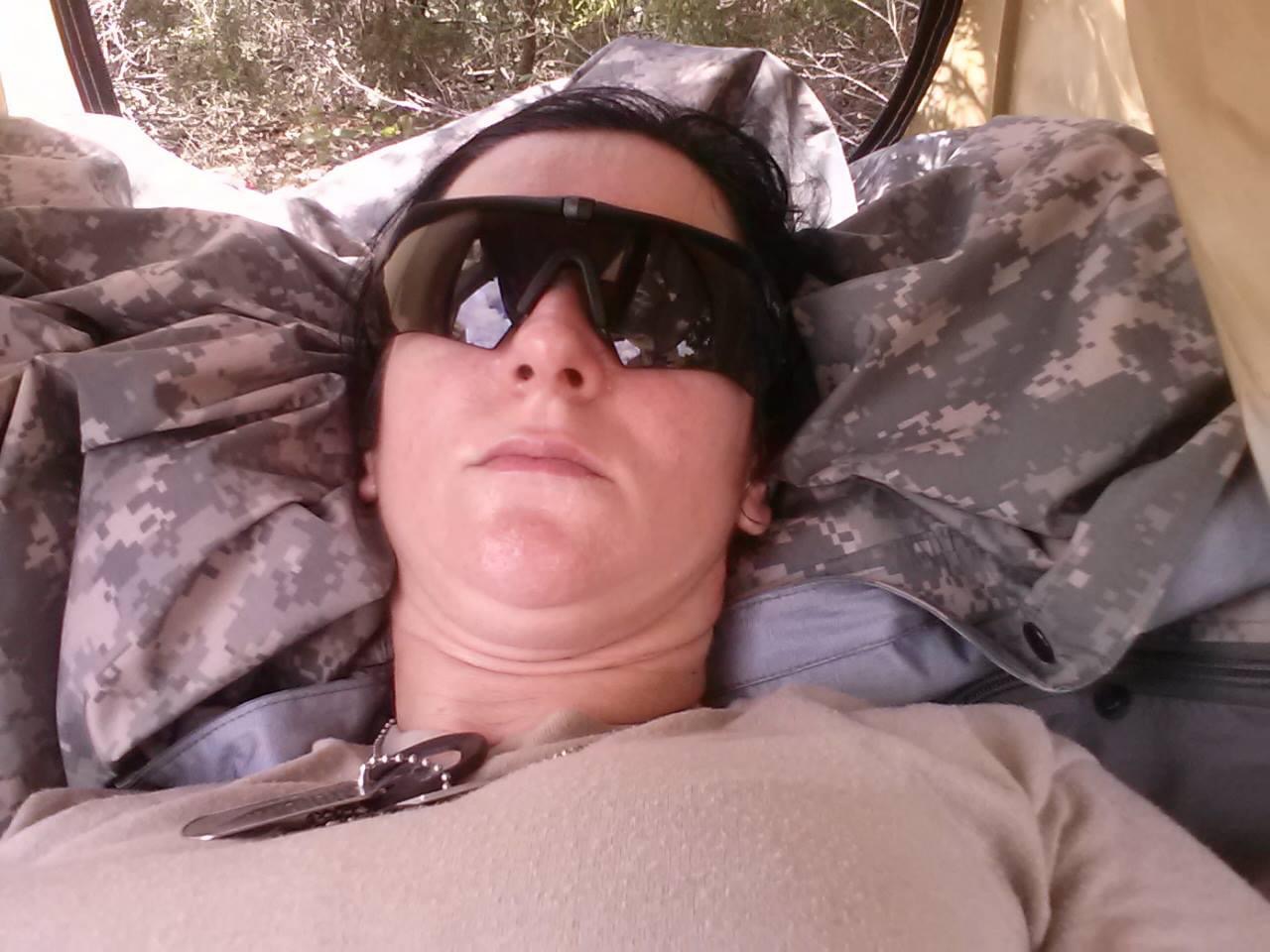
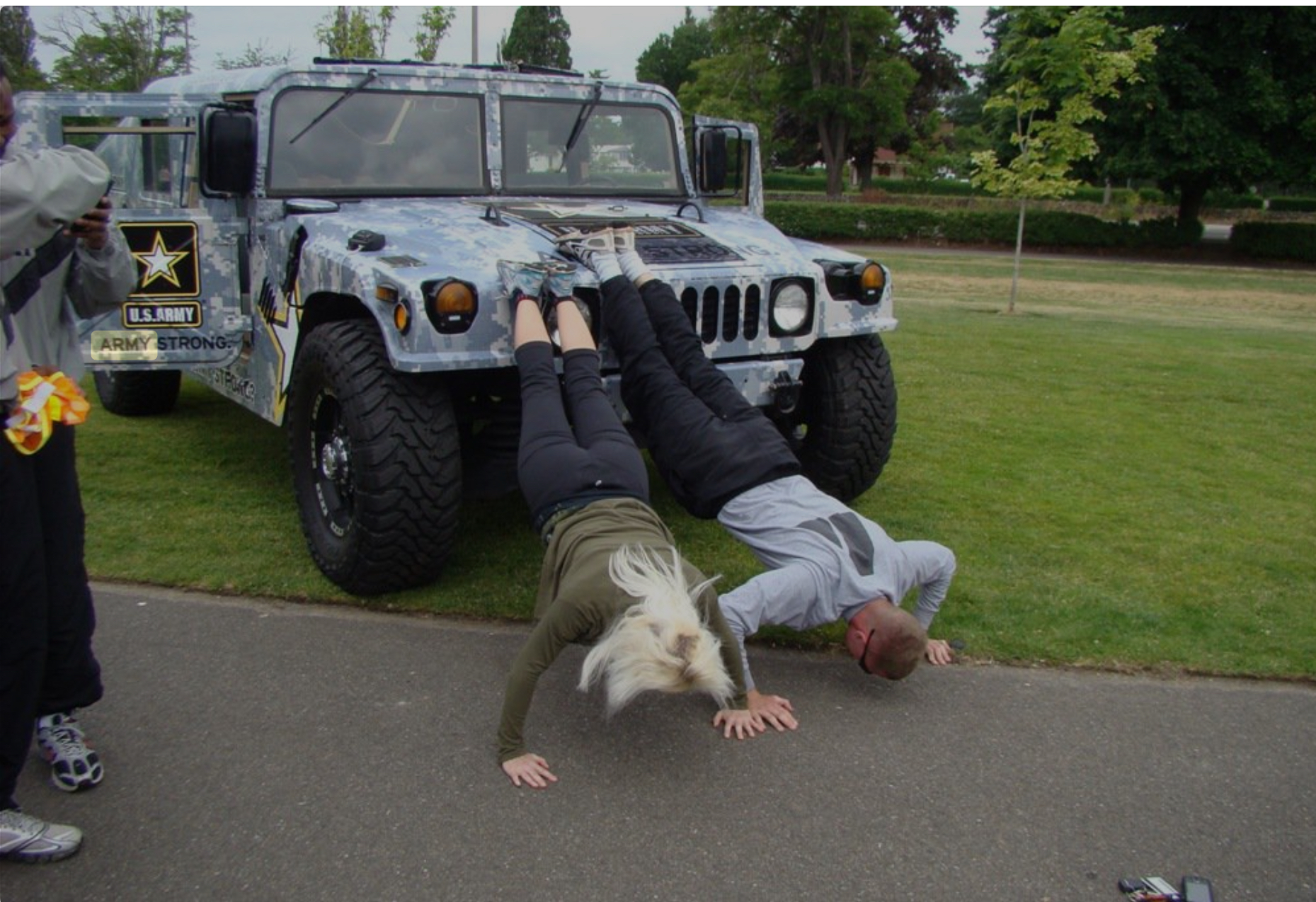
During long road marches, she carried rucksacks that felt heavier than she was. She fell on dirt roads and rough terrain. On some marches, there were chances to stop or ride in support vehicles. She refused. When she fell, she got back up because the march was still moving. Later in basic training, the woman who had struggled with the bunk often ran near the front of the formation.
Fields became a United States citizen while serving in the Army, taking the oath in uniform with an American flag on her shoulder. After the Army, she returned first to school for Spanish and French, earning an associate degree in modern languages. Then, in the United States and in English, she pursued a Bachelor of Science in Mathematics.
In the first difficult assignments of the mathematics degree, Fields was thrust into her childhood classroom again, noticing who seemed to understand the material, who kept writing, who seemed unafraid of the next page. As the courses grew harder, she expected to reach the point where the work would prove what she had long suspected. She called one of her professors in tears, asking to change her major because she did not think she could continue.
“I remember thinking, ‘Other people can do this, but not me,’” Fields said. “In my mind, advanced mathematics belonged to students with a level of intelligence I believed I did not possess.”
That day, no one she could reach could process a change of major.
“I had no immediate escape, no alternative plan, and no choice except to continue studying through fear, frustration, and tears,” Fields said.
With no one available to sign her out, she stayed through the next assignment, then the next problem, then the next page. She began solving problems she had expected not to understand, including advanced calculus, advanced statistics rooted in pure mathematics, and advanced geometry. The work was not easy, but she understood more than fear had allowed her to expect.
Semester after semester, she made the President’s List. Then she learned she would graduate with the highest academic distinction. Years before, she had cried because she thought advanced mathematics was beyond her. Now the words ‘summa cum laude’ were on her transcript.
After graduation, Fields entered a graduate program in mathematics curriculum and instruction at the University of Houston. During that program, emotional strain showed up in the work as it became harder to concentrate, organize assignments, retain what she had studied and keep a routine. At times, the fear of yet another poor result made it harder to begin studying at all. Some courses went well. Others did not. In 2022, she received an academic warning and left. While Fields stepped away, peers continued through the program and graduated. She watched them finish without her. From where she stood, it looked as if other people finished, other people kept going, and other people could do this, but not her.
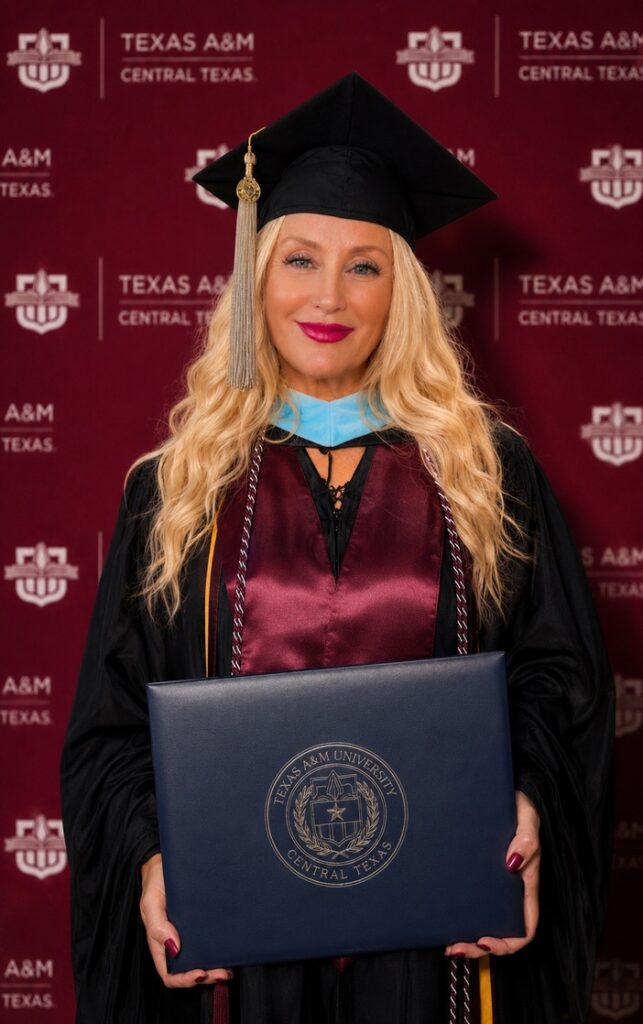
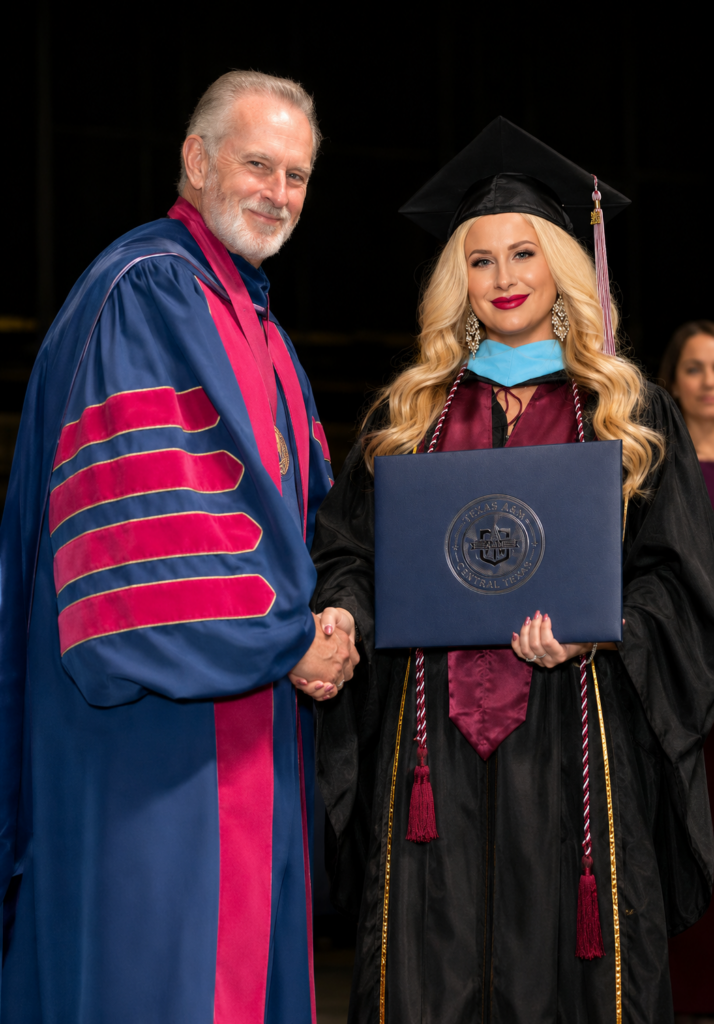
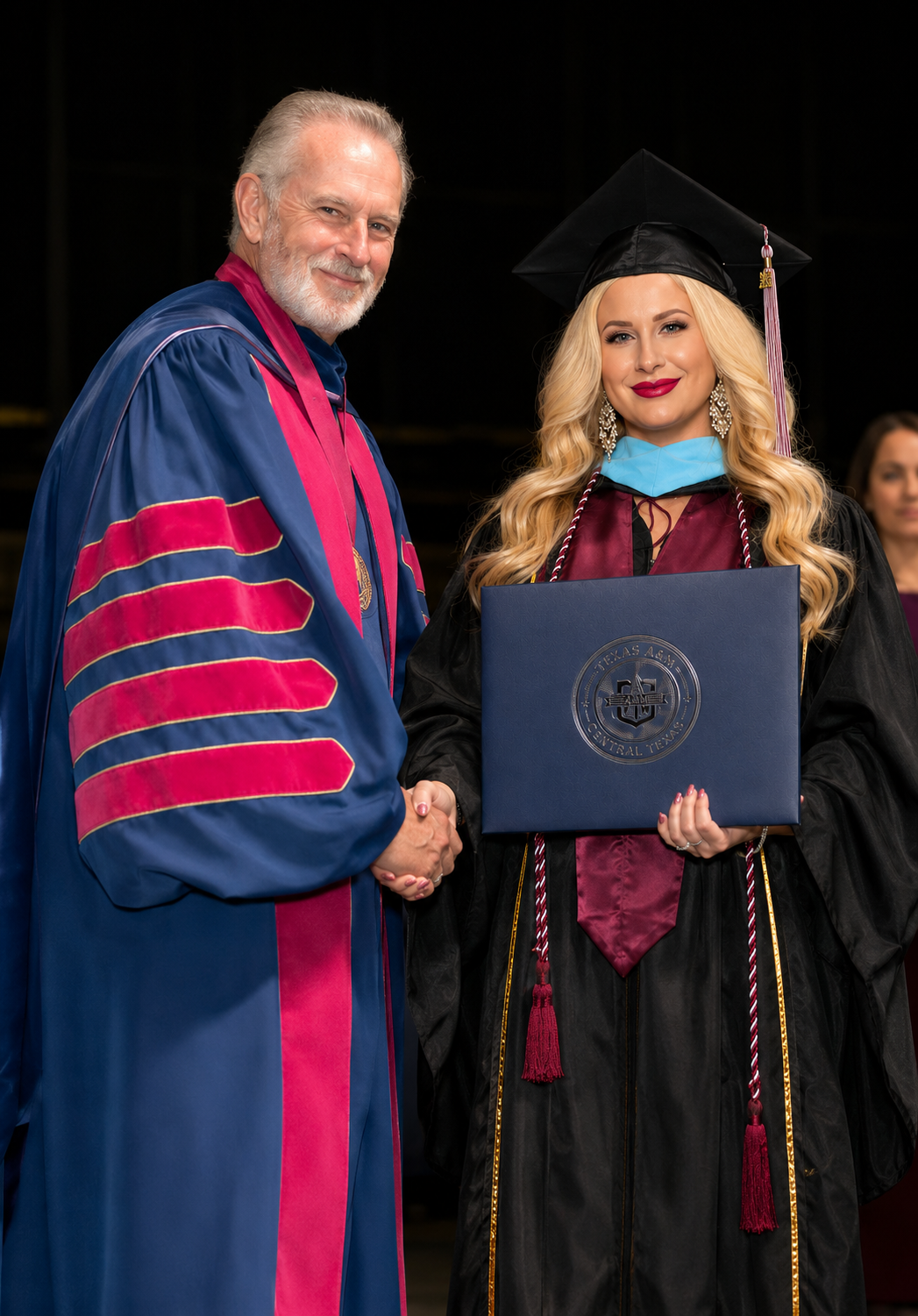
That feeling followed her into the next program. At Texas A&M University–Central Texas, Fields completed her Master of Arts in Teaching with distinction and a 4.0 GPA while beginning graduate mathematics coursework through another institution. Outside the coursework, family responsibilities, health problems, and exhaustion narrowed the hours she had left to study.
She had already failed the teaching content certification exam four times. Each failure delayed her certification and sent her back to request another attempt, explain another result, and wonder whether she would pass. On earlier attempts, her studying had been inconsistent, shaped by the same fear that made starting anything at all difficult. For this final attempt, she chose to giver herself a chance despite the fear, waking up at three in the morning to study.
“If I was awake, I was studying,” Fields said.
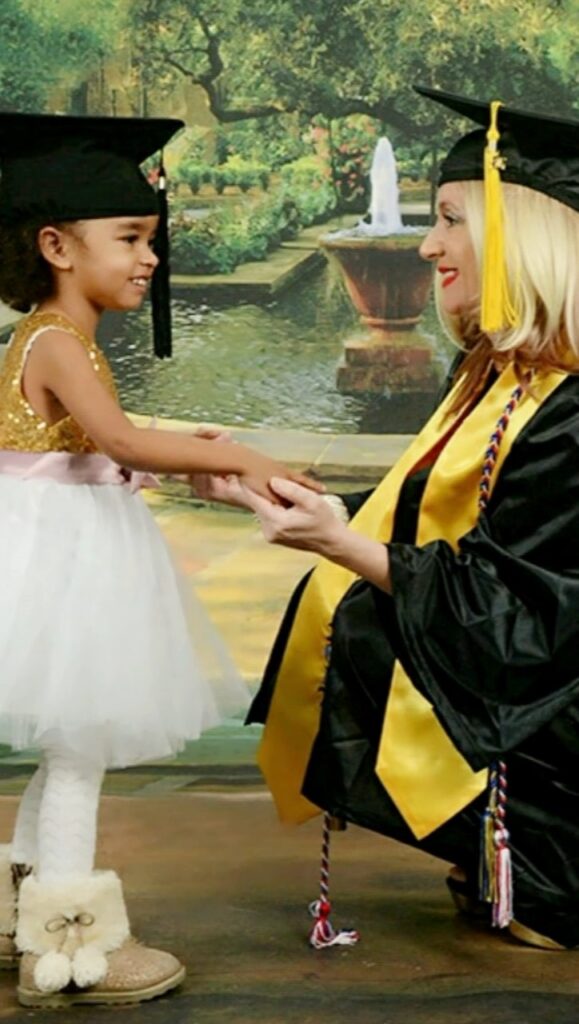
By then, she was completing a teaching internship. While others rested during internship lunch breaks, she reviewed notes and solved problems. Her daughter witnessed her late nights, the fatigue, the studying, and the refusal to stop. Despite all this effort, Fields did not know if she would pass.
“I only knew I could no longer quit on myself,” Fields said.
One After Another
Before the exam, she prayed for memory, calmness, and attention. Faith did not guarantee passing or remove the difficulty, but it did give her a way to sit with the fear. When she finished, she was convinced she had failed again. In tears, she wrote to the certification program asking whether there might be any possibility of another attempt. To her disbelief, they let her know that she had passed.
By now, her program still had one more requirement. She could not graduate unless she passed the Pedagogy and Professional Responsibilities exam. Her mother had prayed for years that Fields would finish the degree, and now that prayer had narrowed into one remaining exam. When her mother’s condition worsened, Fields flew to Europe with exam materials packed among her things. She studied on the flights and carried the materials to the hospital. Near the end of her mother’s life, she worked beside the bed, sometimes holding her mother’s hand. She tried to memorize pedagogy beside the woman who had once made cookies by the sea and was now dying.
The day of the exam, Fields kept returning to one question she believed she had answered incorrectly, hesitating over it and coming back to it as if this one answer could determine her fate. After submitting the exam, she went home certain she had failed. While waiting for results, she kept studying on the preparation platform, already preparing for another attempt and another email asking for one more chance. Then the results came. She had passed.
“In many ways, this degree belongs to her as much as it belongs to me,” Fields said.
Not long after Fields passed the exam and completed the degree her mother had prayed for her to finish, her mother died. She buried her on Mother’s Day. After the burial, she returned to the classroom, but this time, with a different role.
The subject that had once made Fields feel least certain of herself had become the subject she taught. Her degree was complete. Her certification exams were behind her. Mathematics no longer belonged only to other people; it waited for her each day in front of students who brought their own fear to the page.
In her classroom now, Fields watches for the first signs that a student has begun to retreat: a dropped hand, a stopped pencil, a blank page, a changed face. In one particular mathematics lesson, a student became emotional, insisting they could not understand the problem. Fields recognized that all-too-familiar look. She slowed the lesson down and began with a smaller question. One question after another, the student stayed with the problem. Fields pulled a chair closer.