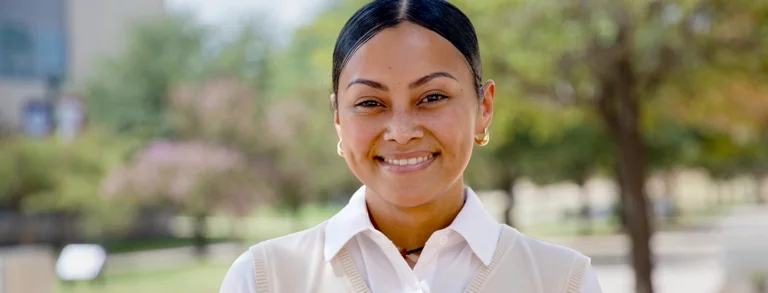
Naseerah S. Zachary and the Work of Beginning Again and Again and Again
By Demetra Paizanis,
Enrollment Marketing and Communications Manager –
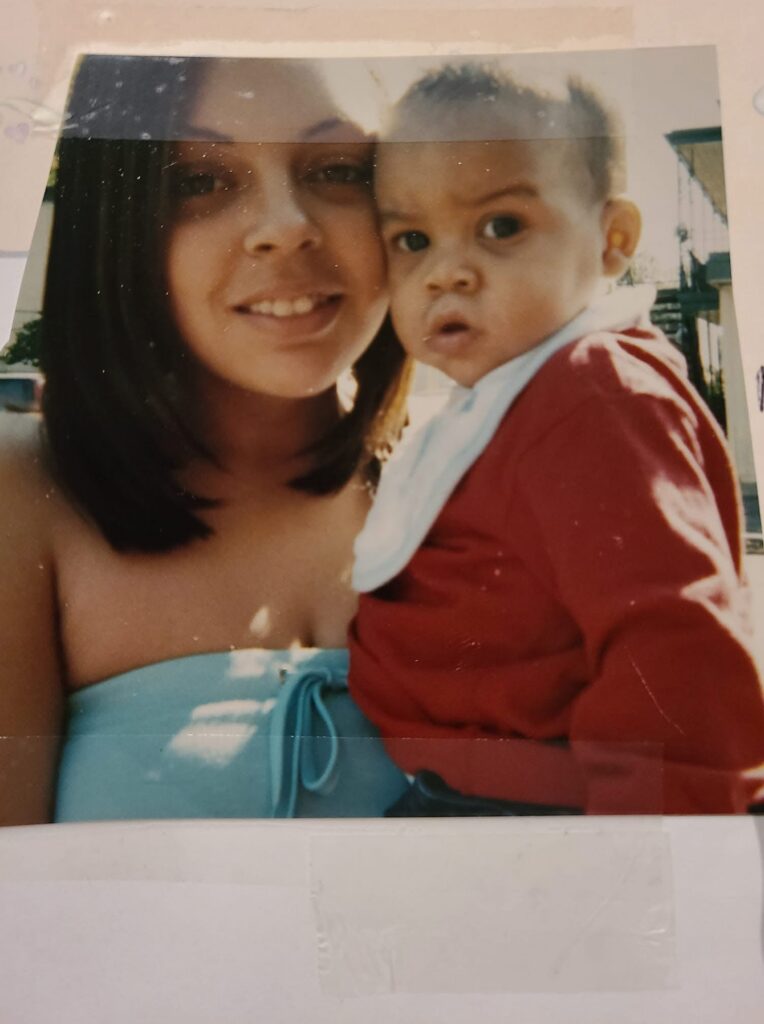












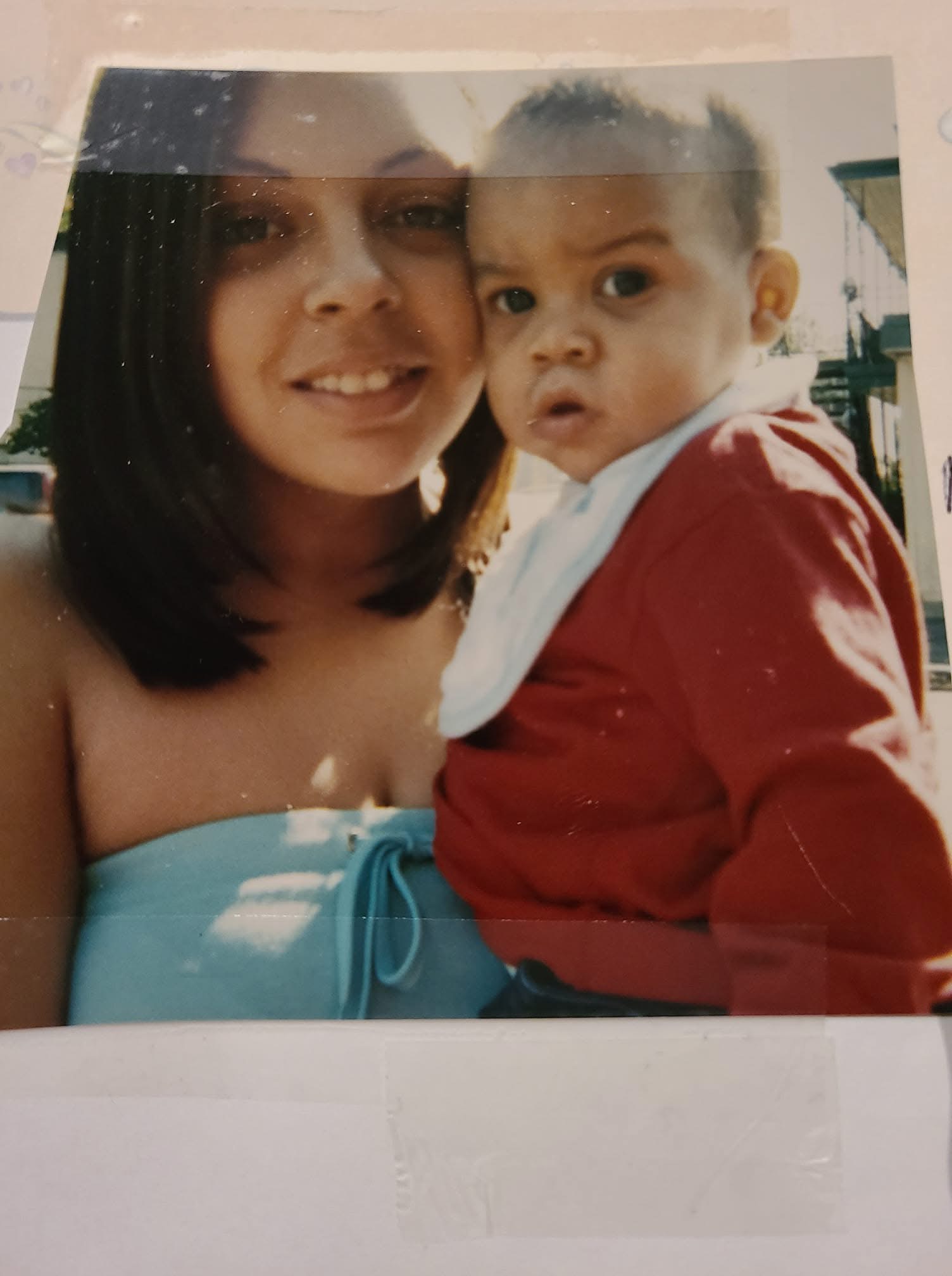


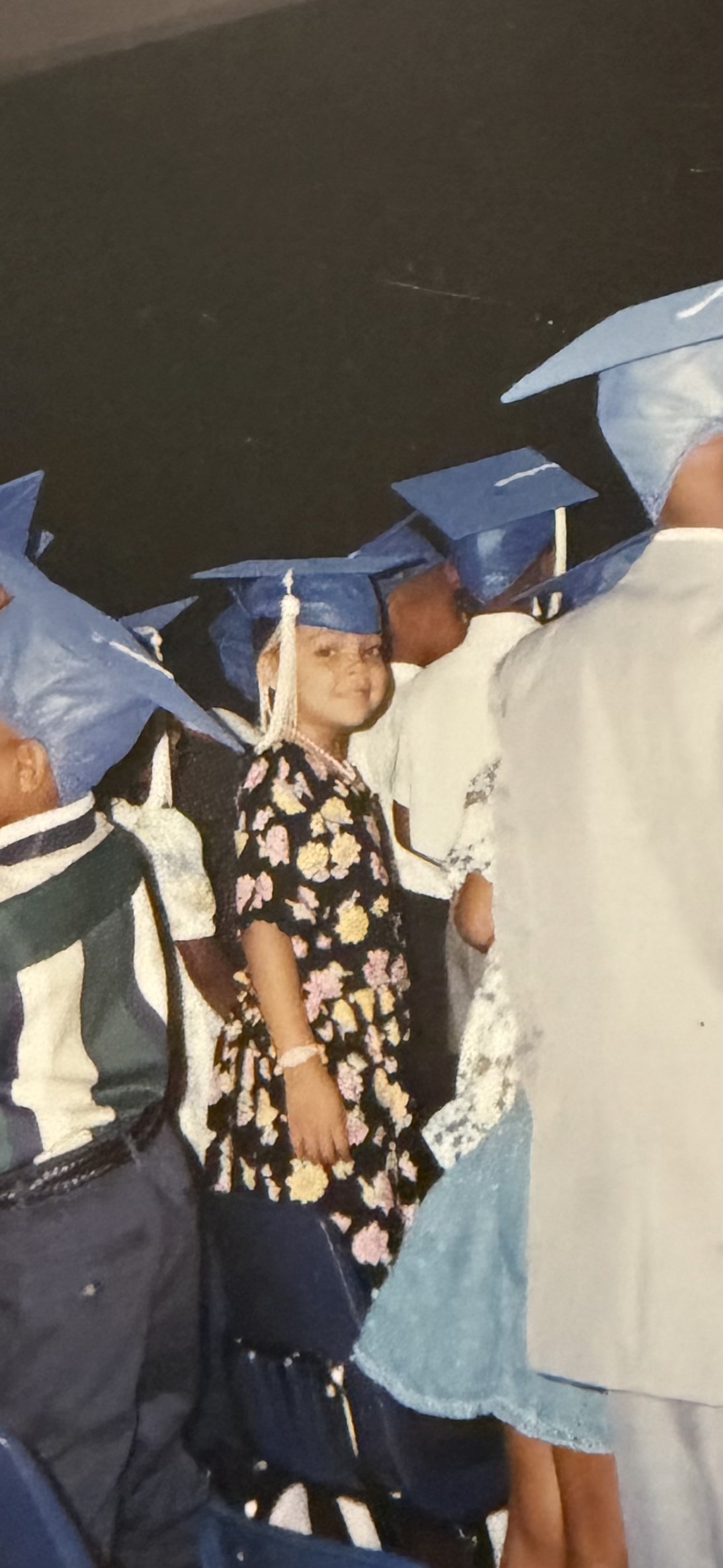
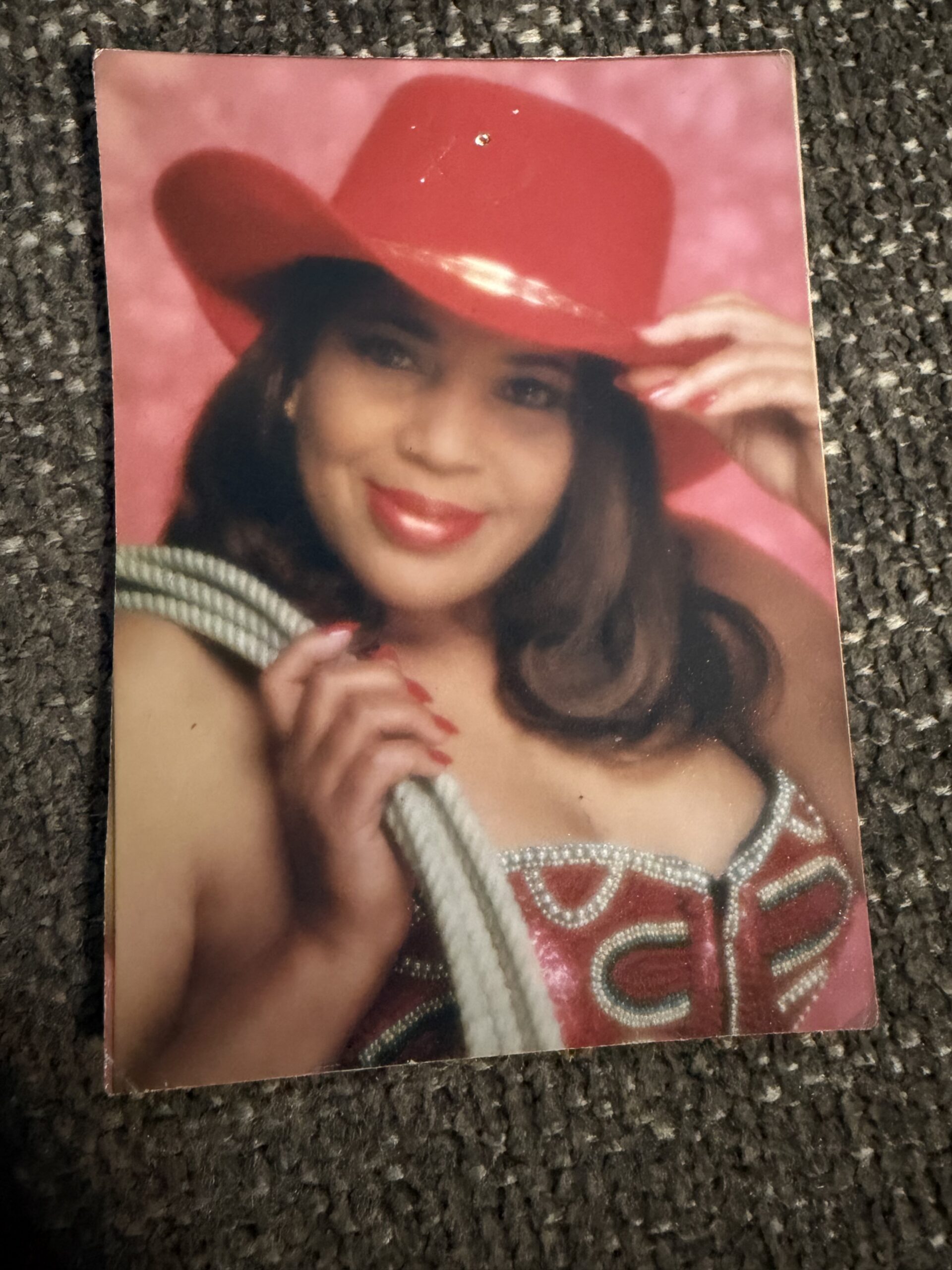
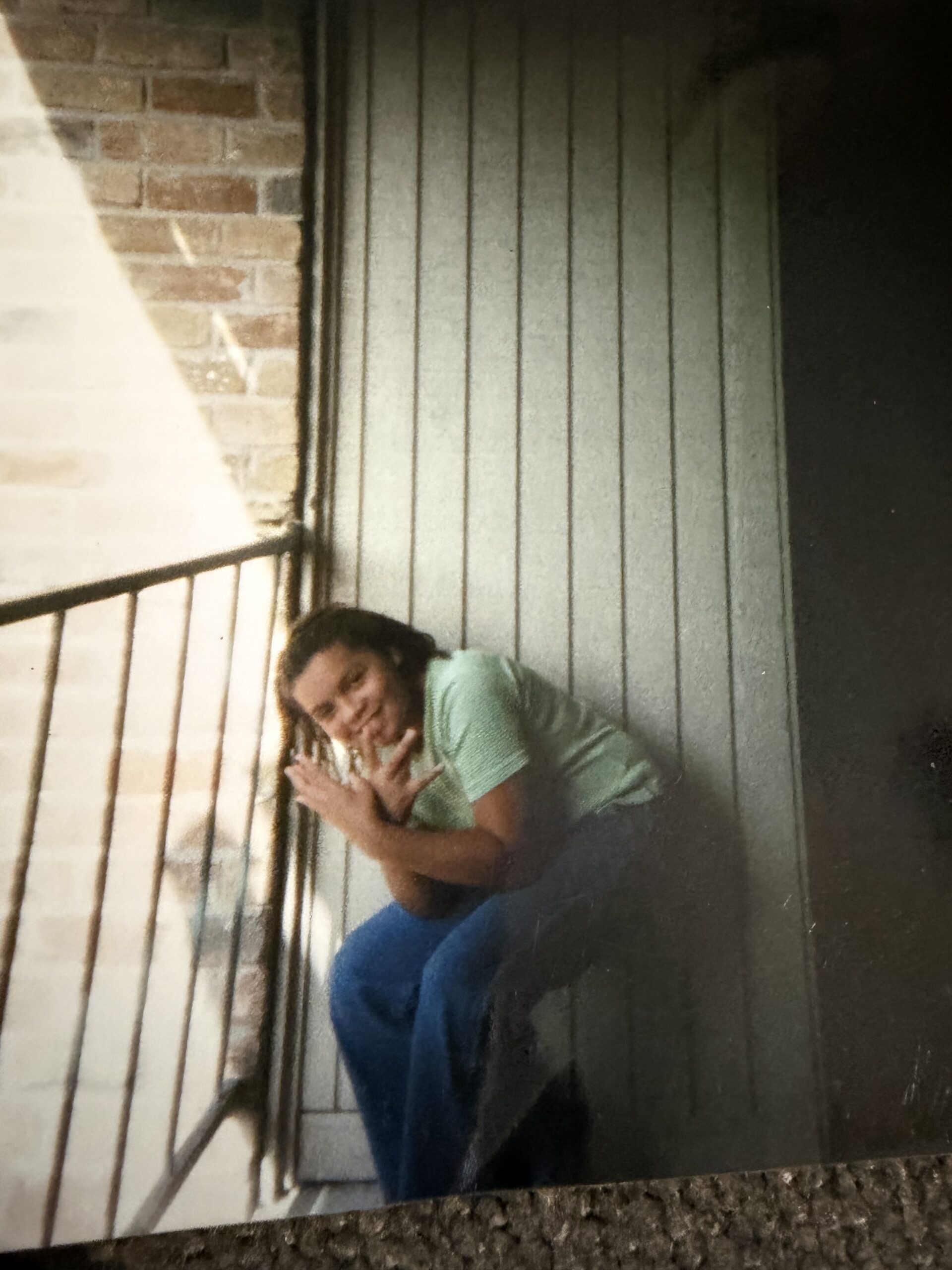
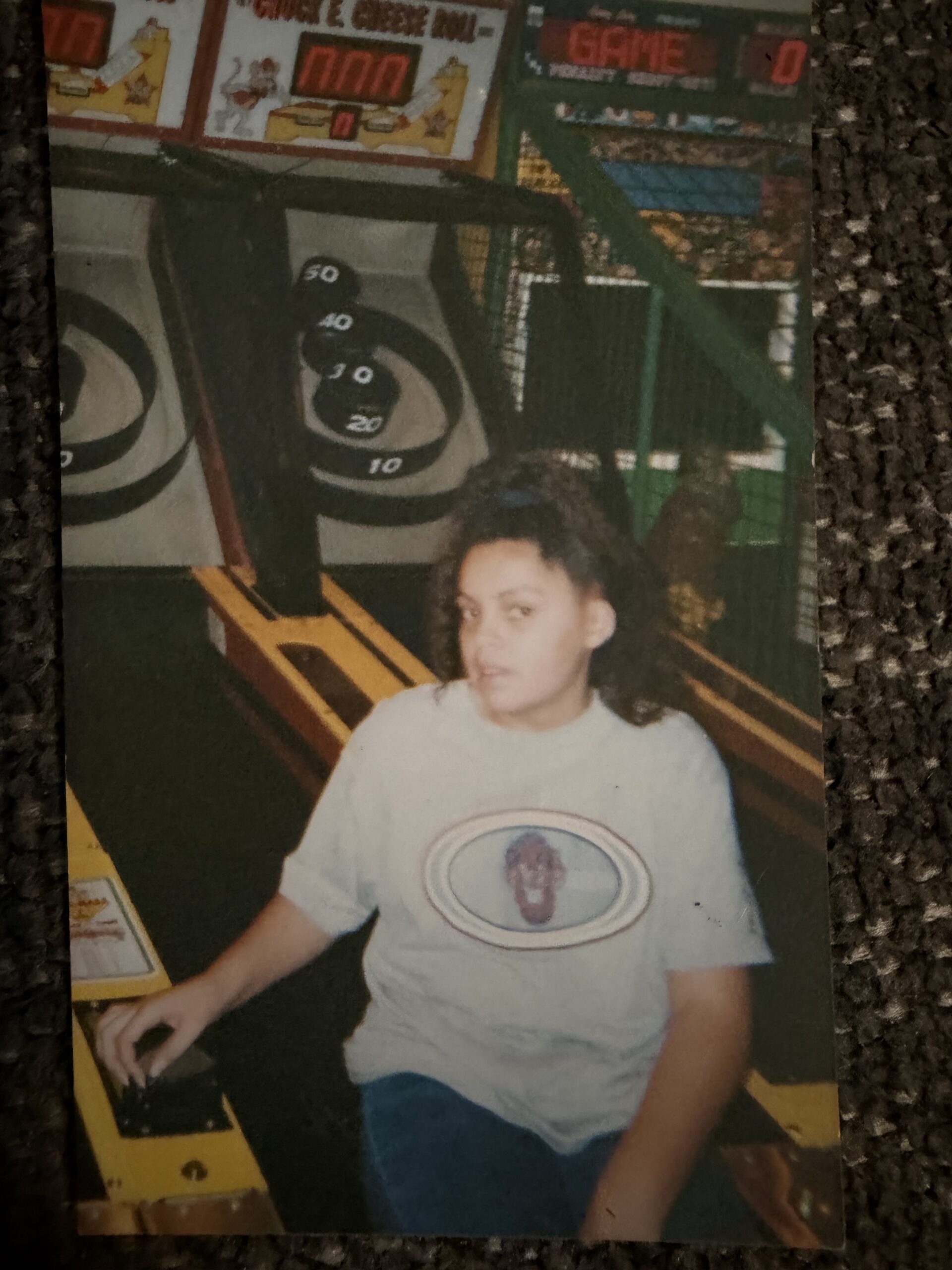

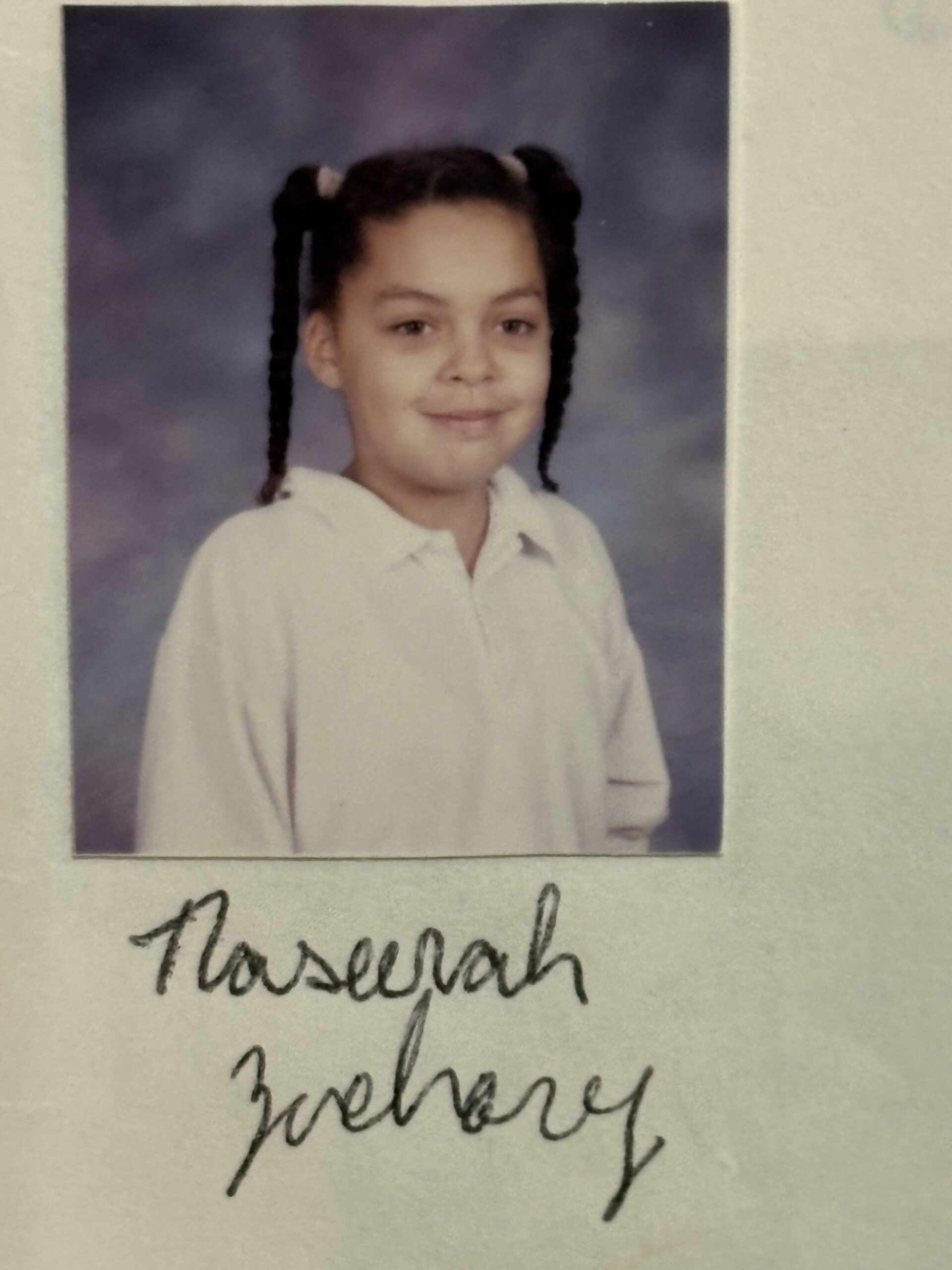




The diaper is already open when Naseerah S. Zachary sees the black. The stool is thick and tar-like. She is home from the hospital with her newborn son. It is meconium, but she didn’t know that.
“How did they let me leave the hospital with an entire human being?” she said.
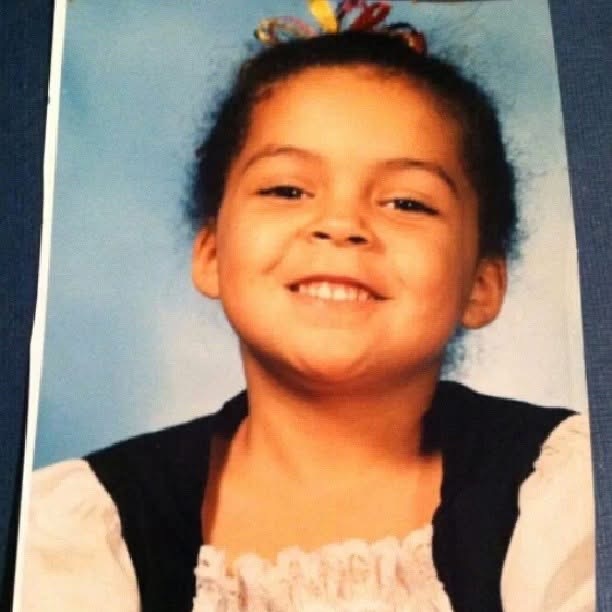
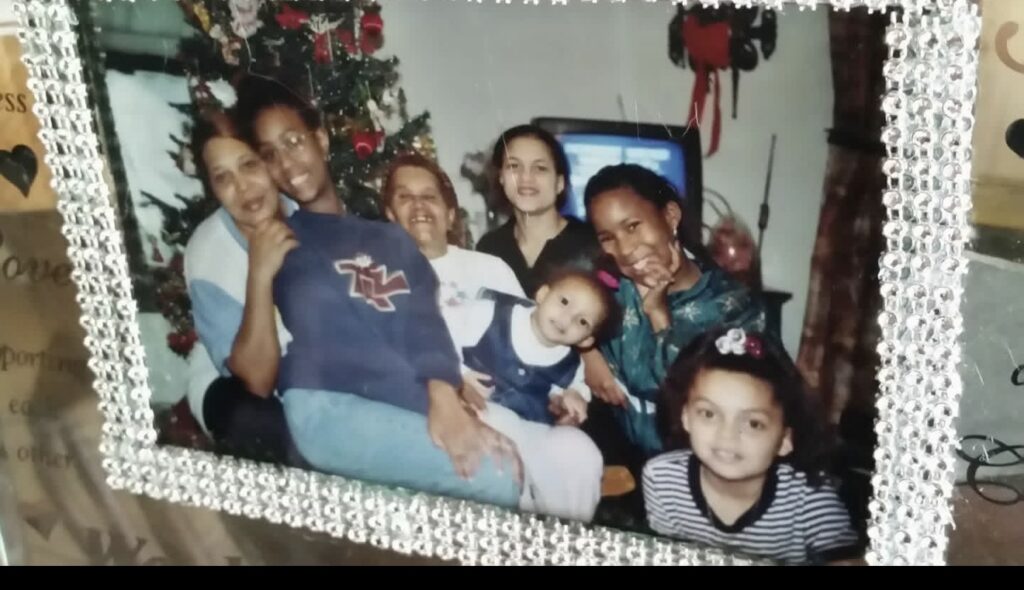
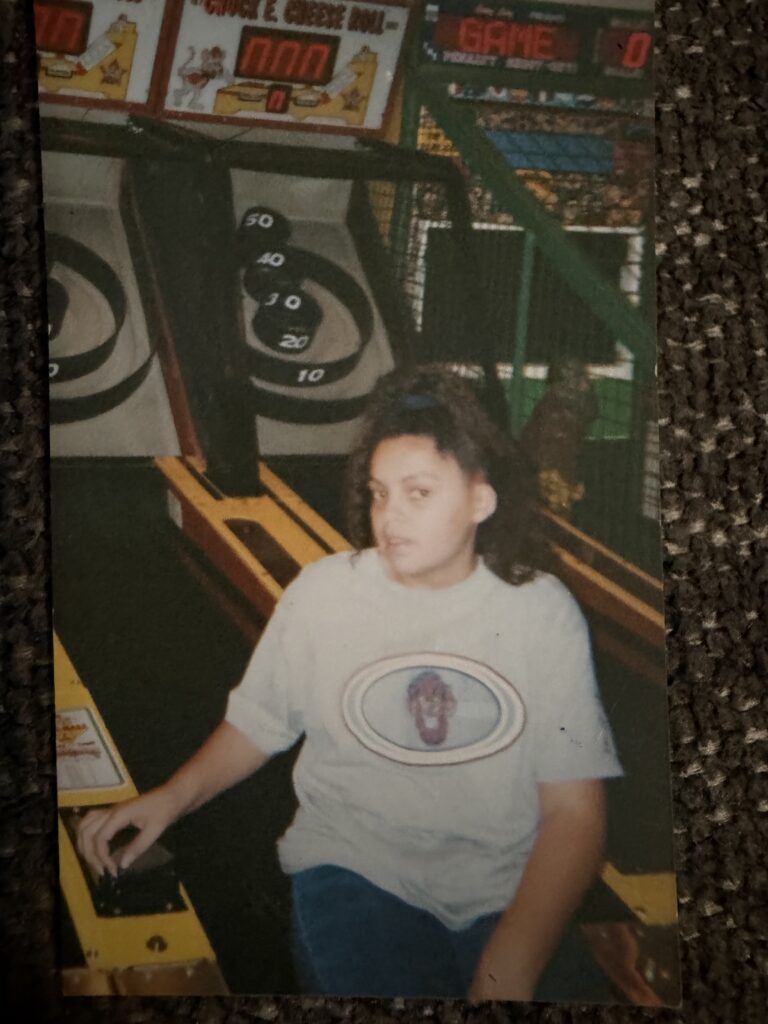
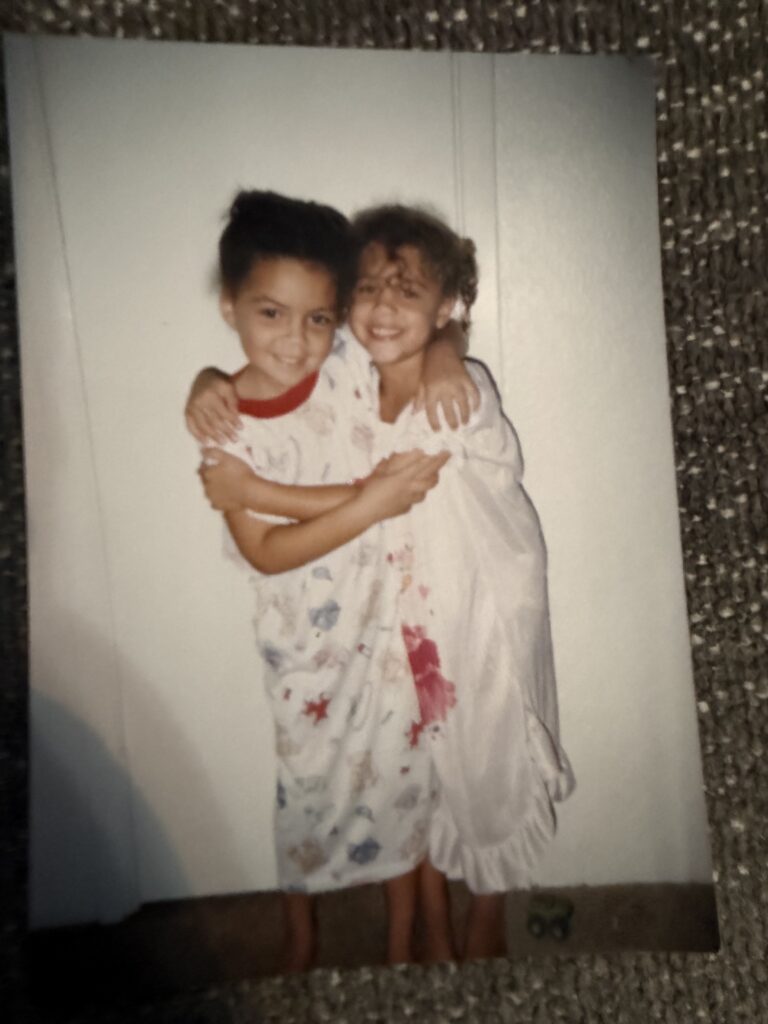
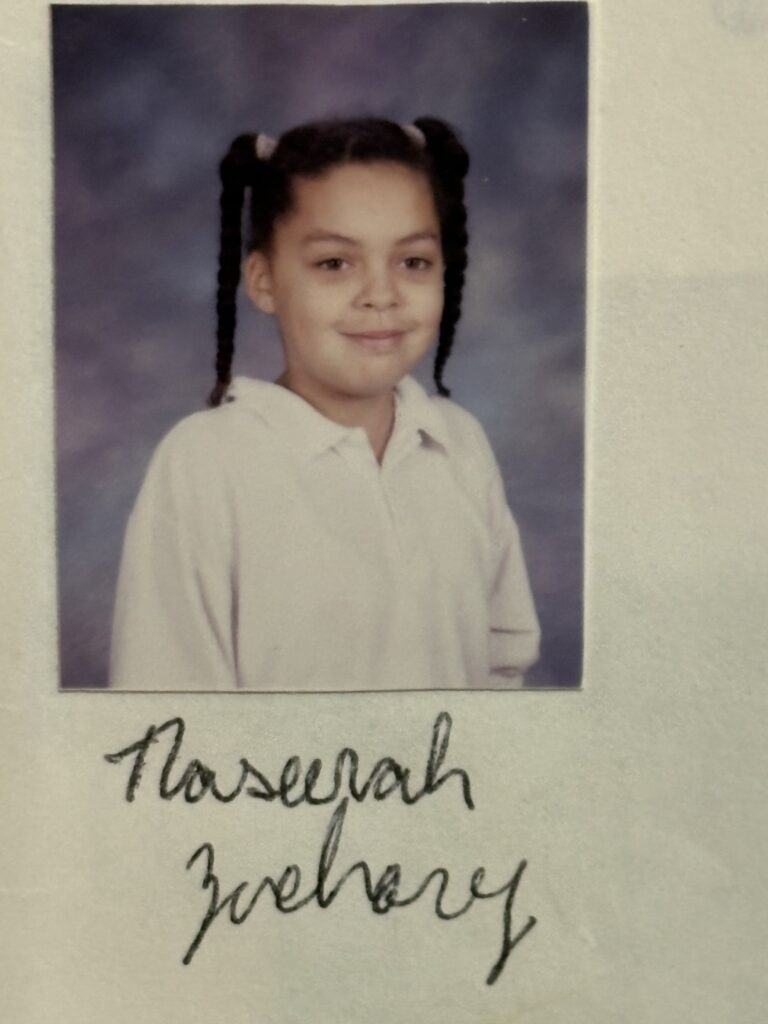
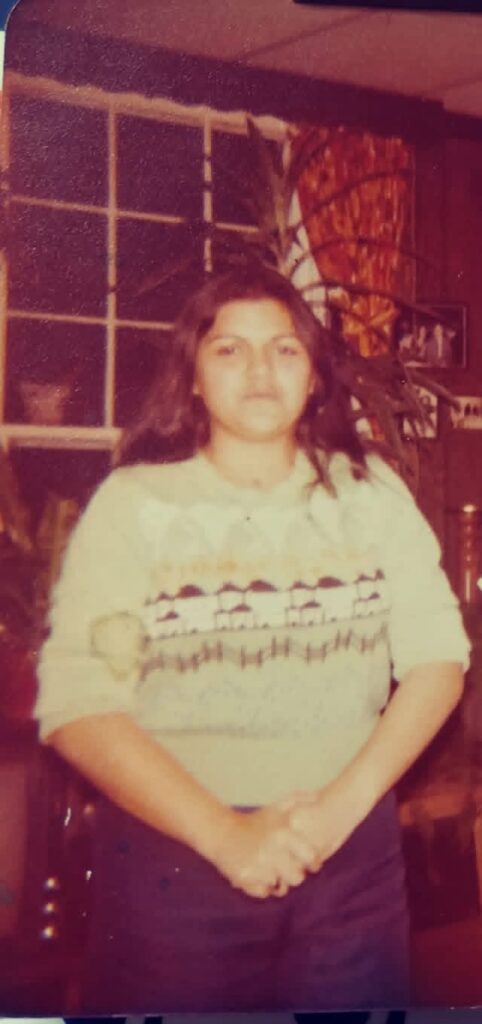
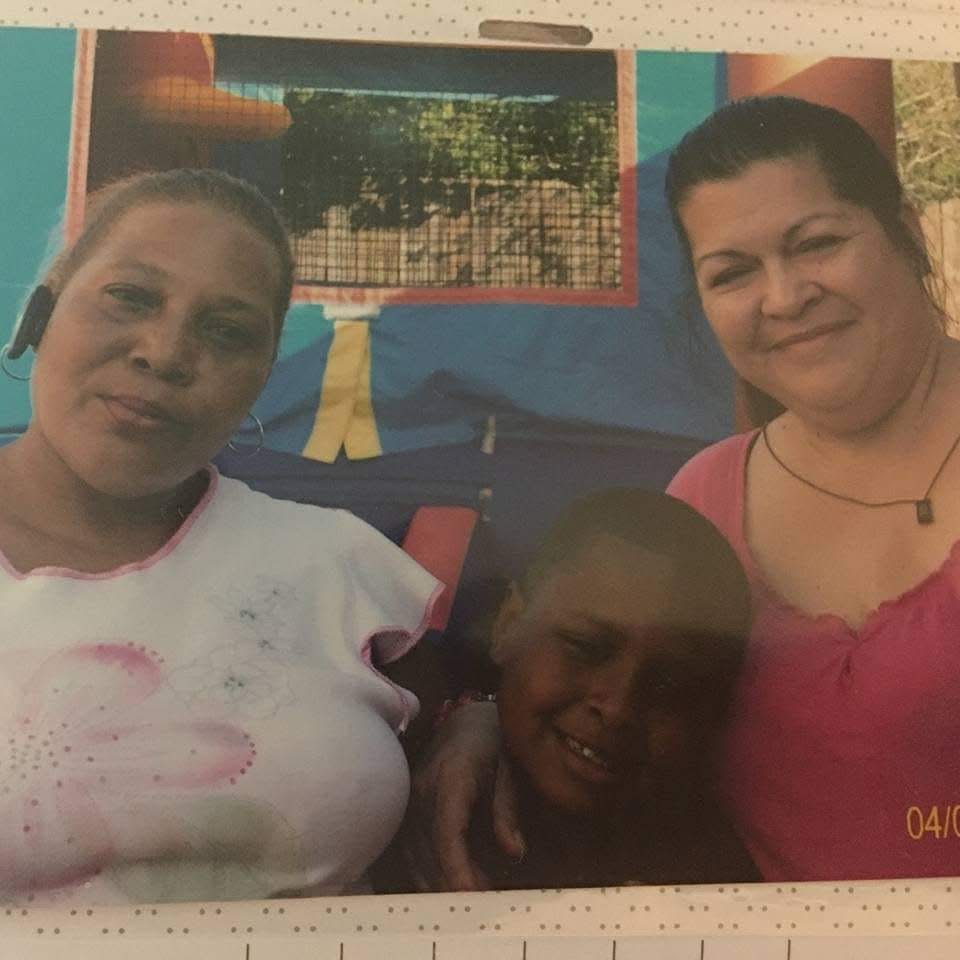
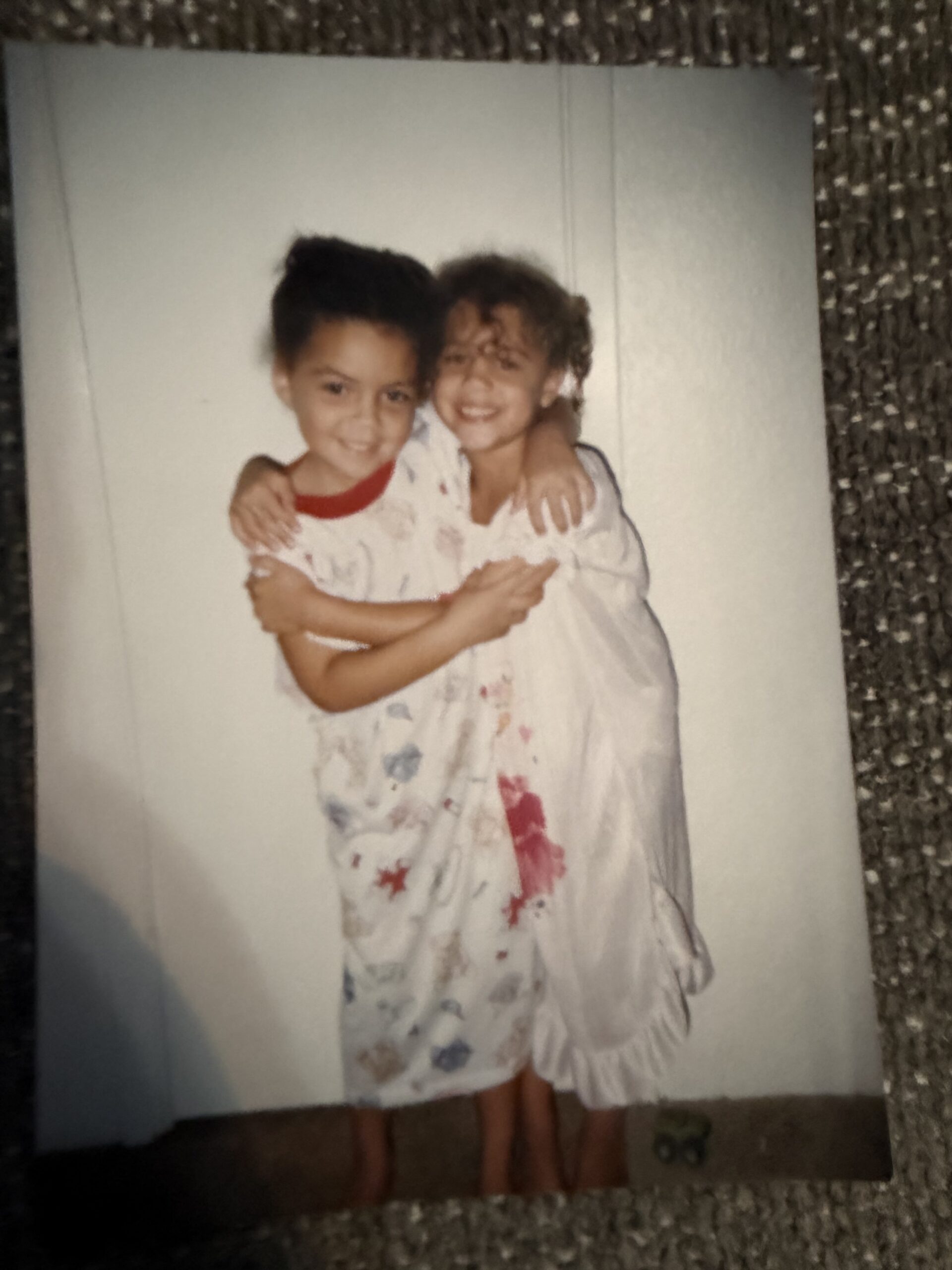
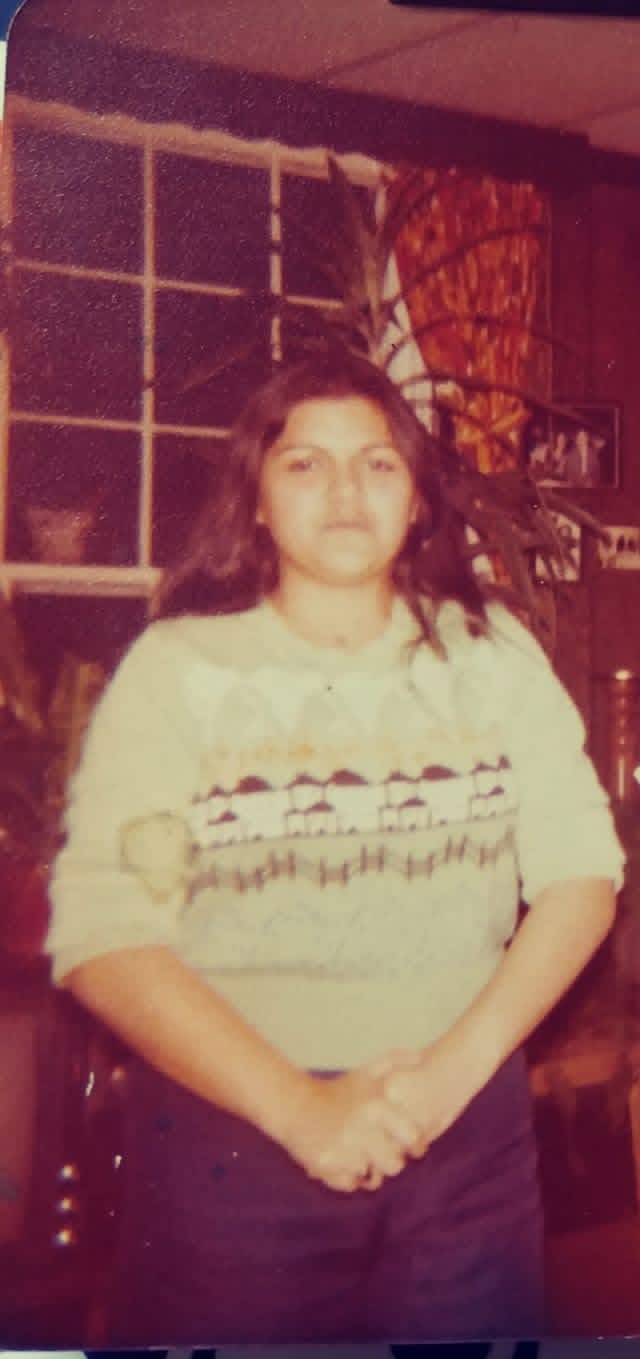
When her son was born, she had been 16 for 22 days. Six years earlier, when Zachary was about 10, her mother, Rachel Medina, worked as a bill collector, picked up shifts at Rally’s, a fast-food restaurant, and sold tickets at the Greyhound bus station. While Rachel worked, Zachary and her younger brother rode bicycles, played with neighborhood children and walked farther than they probably should have. As long as Rachel saw them when she came home, everything was generally considered fine. Before school, Rachel would tell the children to put on their “positive pants.”
“I thought it was incredibly annoying,” Zachary said. “She was always so optimistic, especially in the morning when the rest of us were not.”
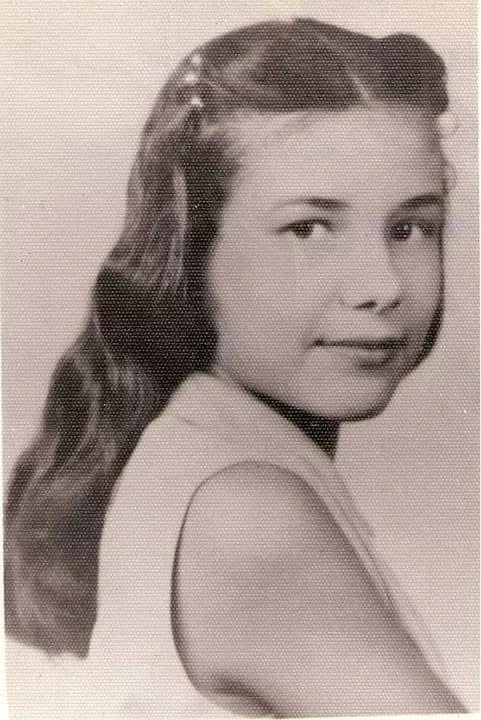
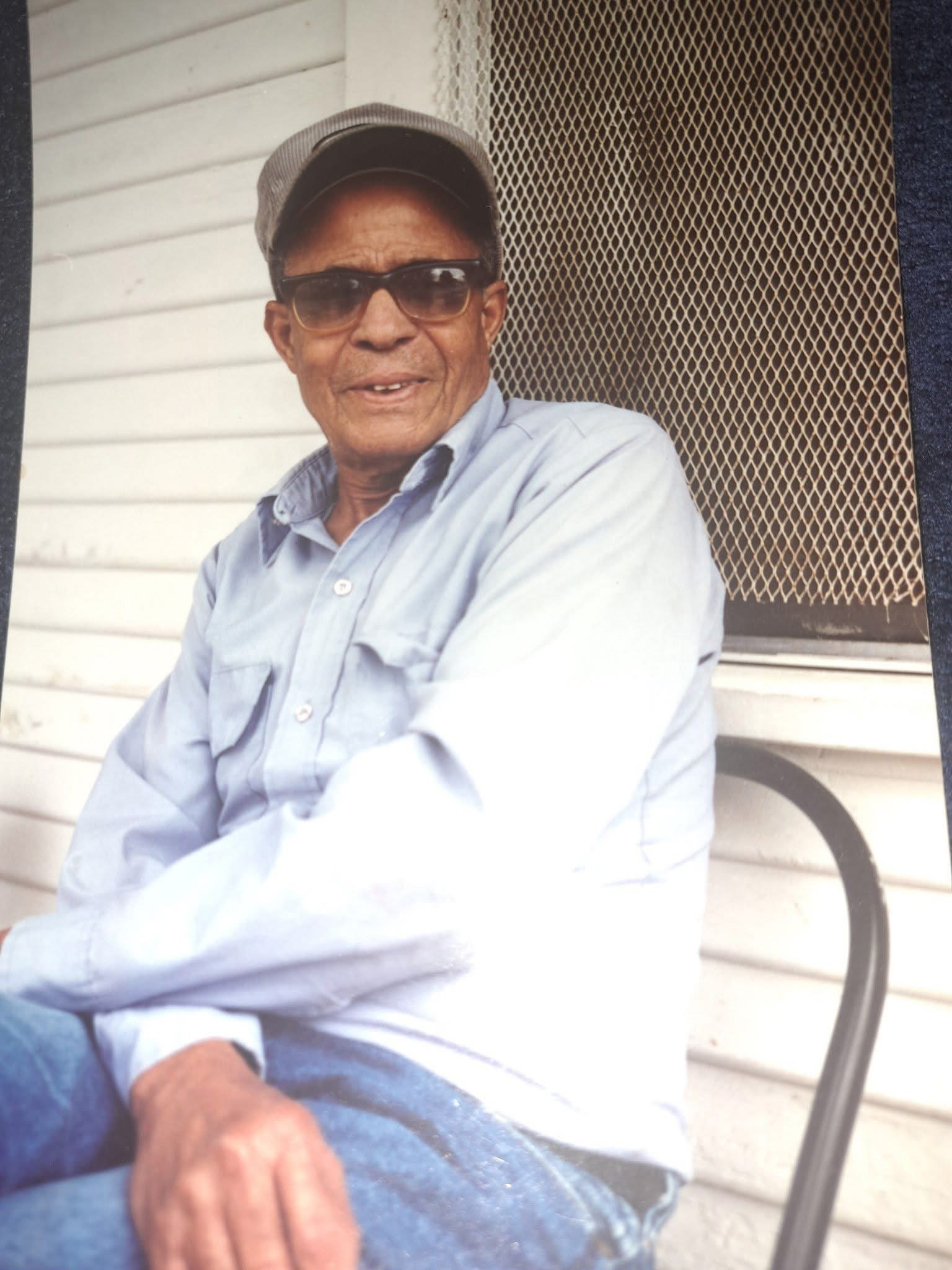
Her father, Adell Zachary, was around sometimes. He would leave a few dollars on the dresser, say he was going to wash his car and disappear for days.
“Some of my earliest memories of him are tied to tension and unpredictability,” Zachary said. “My brothers and I never quite knew which version of him was going to walk through the door.”
Zachary said Adell could be abusive at times, but he was also the best chess coach she could ask for.
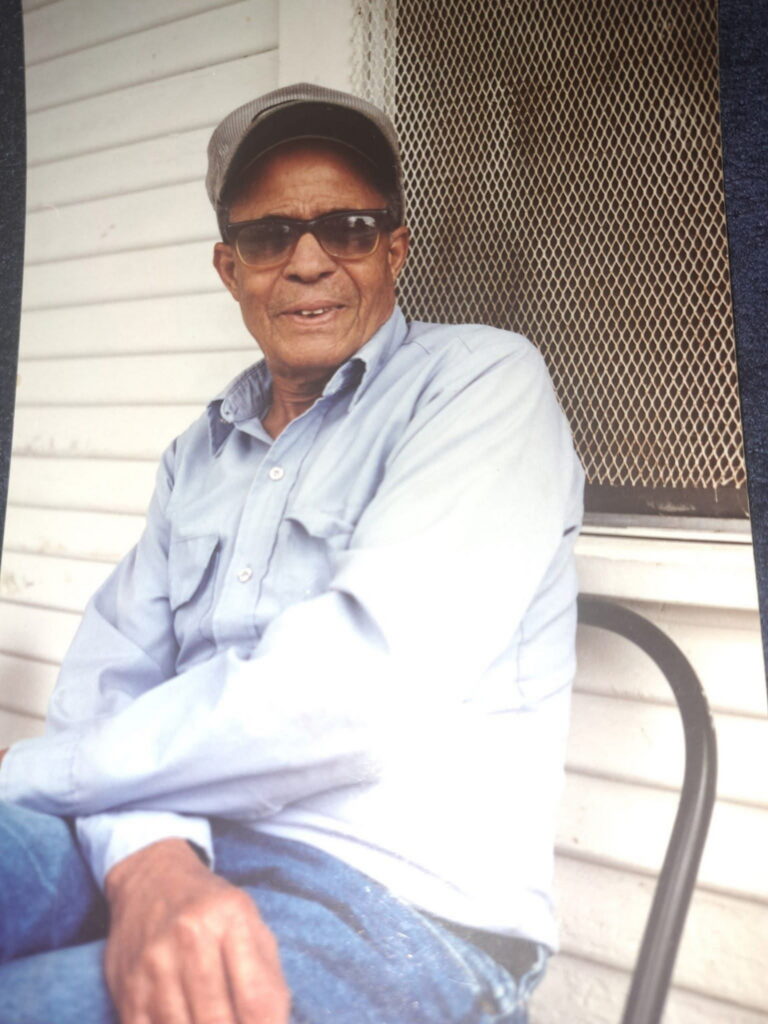
By the end of eighth grade, Zachary had moved to Scenic Woods on Houston’s north side with her grandmother, Janet Mayfield, known to everyone as Pumpkin. In Pumpkin’s house, someone was always home. Wherever Pumpkin went, Zachary went too, running errands and talking with her for hours. Pumpkin cared for her father after a stroke left him bedridden. Zachary called Pumpkin’s parents Mother and Grandpa Daddy. Dinner was cooked every evening, the family made boudin, a Cajun sausage, from scratch, and everyone had work to do. When Mother found grease on dishes Zachary had washed, she called her lazy.
“To be fair, she was probably right,” Zachary said. “At the time, she was getting on my nerves.”
After a brief return to Rachel, Zachary moved back to Houston’s north side and enrolled at Forest Brook High School.
“I was tired of moving and tired of starting over,” Zachary said. “I wanted stability.”
At 15, Zachary learned she was pregnant. Almost overnight, she became a social outcast.
“I was terrified,” Zachary said. “It felt like people stopped seeing me as a teenager and started seeing me as a cautionary tale.”
Back at Forest Brook after her son’s birth, the same hours had to contain classwork and care for a baby who could not rearrange his needs around a bell schedule. She stayed enrolled, but by the second semester of her senior year, she had failed the state-mandate science test three times. Assistant Principal Ms. Allen told her she would not be allowed to walk at graduation. By January 2007, Zachary was married, and her husband had joined the military.
“I knew my husband would soon be leaving for his duty station,” Zachary said. “I did not want to be left behind.”
She did not return to school. In January 2008, Zachary gave birth to her second child. By the end of the month, she had moved to Fort Stewart, Ga., with a toddler and a newborn, far from Rachel, Pumpkin and her siblings. Her husband deployed almost immediately after they arrived. Zachary was 18 and suffering from postpartum depression, alone with two small children and without a high school diploma. GED classes were possible only when someone could watch the children long enough for her to attend. Whenever childcare became available, she went. In 2009, the GED arrived in the mail.
With her GED, Zachary began college in Georgia and continued her education after moving to Killeen. Marriage, work, pregnancies and moves repeatedly pulled her away. She kept returning. By 2016, she had divorced, moved into her own apartment and enrolled again.
“Then my mother got sick and everything stopped,” Zachary said. “School did not feel like much of anything.”
During the semester Rachel died, Zachary failed out of school. She stayed away from school for several years but still intended to pursue criminal justice. In 2021, she became a food-service manager at the Hughs Unit, a men’s maximum-security prison in Gatesville, to gain experience inside the criminal justice system.
“My first day working in a men’s maximum-security prison reminded me a lot of my first day at Forest Brook High School. I walked in with my guard up and a look on my face that said I was not someone to be played with,” Zachary said. “I assumed I needed to project strength because I believe the inmates would sense fear. As I spent more time in that environment, I began asking different questions. Instead of asking, ‘What did this person do?’ I found myself asking, ‘What happened to this person?’”
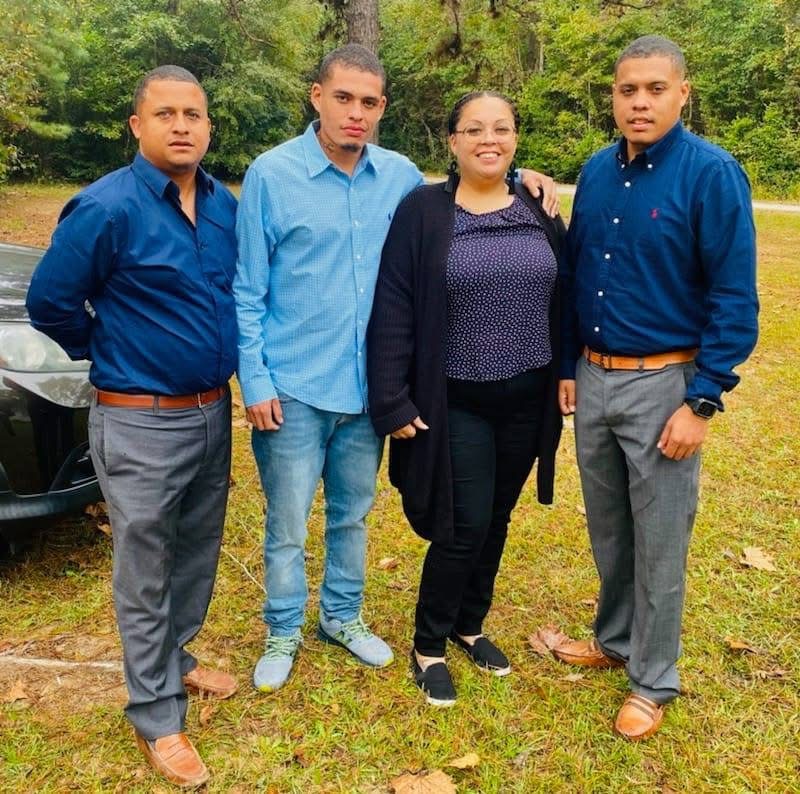
When Zachary transferred to Texas A&M University-Central Texas in 2022, she changed her major to social work. All six of her children still lived at home.
“I was a single mother of six, returning to school after years away, and this was my first time attending a university,” Zachary said. “Part of me wondered if I was being to audacious by believing I could do it.”
Zachary rearranged her life around required course schedules. She studied during lunch breaks, completed assignments at work and changed shifts to stay enrolled. In her Introduction to Social Work class, she struggled with the university’s online education platform.
“At the time, I seriously questioned whether I belonged in college at all,” Zachary said.
By October 2022, Zachary had stopped going to class. She failed Introduction to Social Work and was placed on academic probation. The following year, she enrolled in the course again. Before the semester began, she saw Vene Baggett listed as the professor and looked her up. Baggett had graduated from the same social work program.
“Seeing that she was a Black woman eased some of my anxiety because I could see myself in her,” Zachary said. “Knowing that she was also a graduate of the same social work program made her success feel attainable.”
In class, Baggett explained the material and answered questions in such a way that Zachary did not feel judged or ashamed. She returned to the course she had abandoned, and this time she stayed.
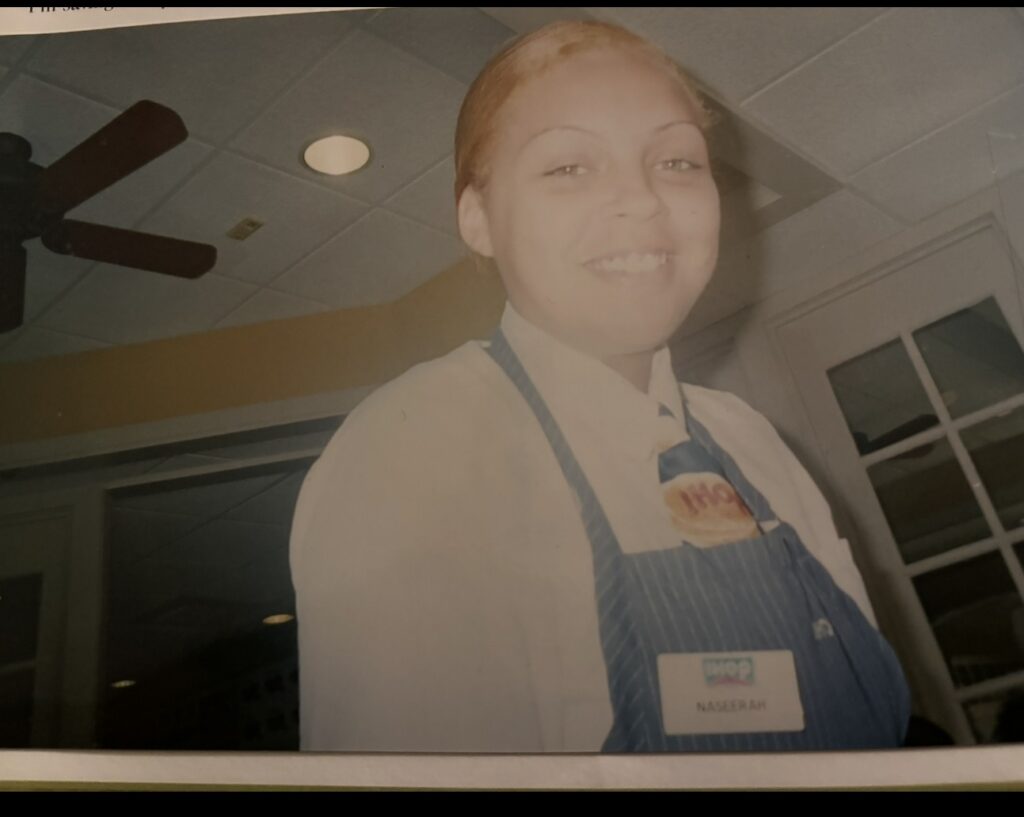
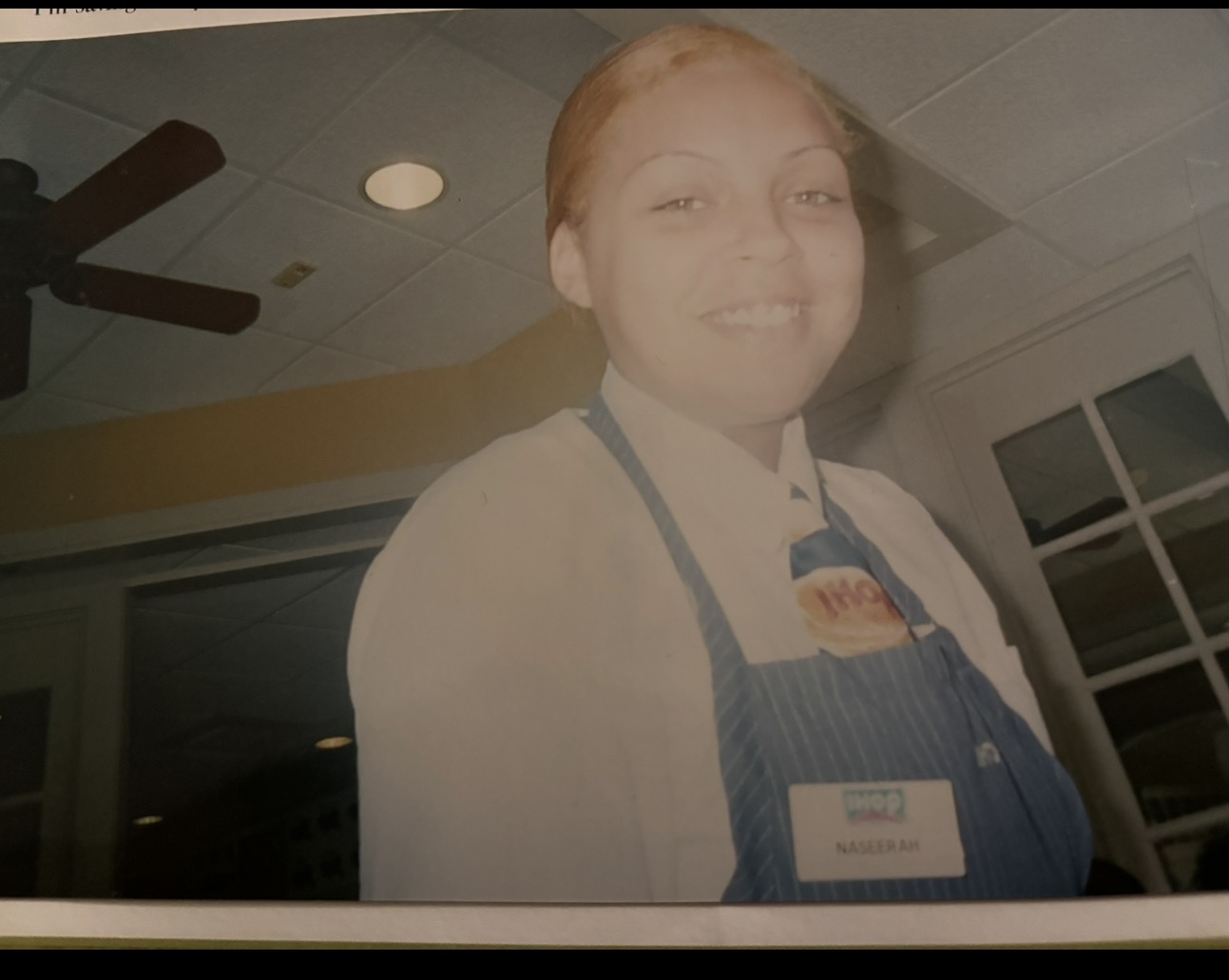
During her final social work internship in 2026, Zachary completed 225 unpaid hours each semester while four of her six children still lived at home. She also worked at IHOP. Since the beginning of the year, she had not had a true day off. Saturday through Tuesday mornings, she worked at IHOP, Wednesday through Friday mornings, she worked in the Temple Police Department Victim Services Unit. On Friday nights, she returned to IHOP until 10 p.m. Assignments, meals, laundry, parenting and whatever sleep she could fit in occupied the remaining hours.
“There were semesters where my life felt like one giant group project between motherhood, work, internships and school,” Zachary said. “Sometimes it honestly felt like I was scheduling miracles.”
Her bosses adjusted shifts and friends helped with children and pickups. Her children watched her study, write papers, run to class and go to work. At the Temple Police Department Victim Services Unit, Zachary’s internship included crisis intervention, victim advocacy, resource coordination and emergency shelter placements.
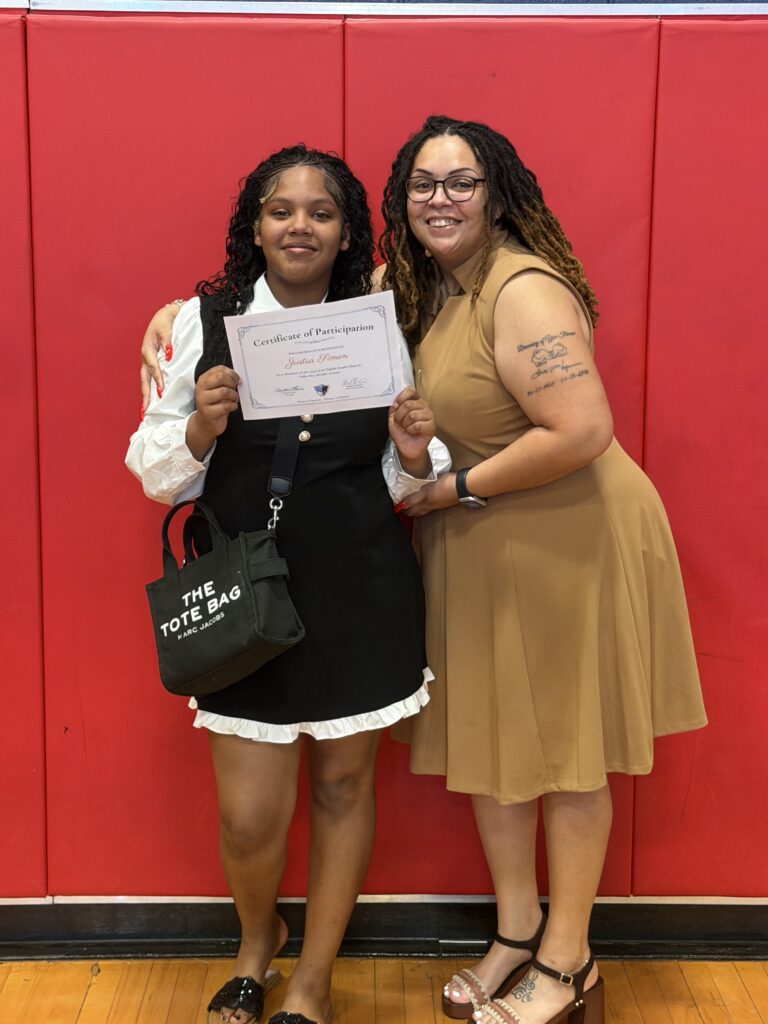
In August 2026, Zachary earned her Bachelor of Social Work, became licensed as a social worker and set her sights on graduate school.
“Working inside the system forced me to confront my own bias and learn how to approach situations on a case-by-case basis,” Zachary said. “The combination of law enforcement and social work scratches an itch in my brain like nothing else ever has.”